Why Lancaster Properties Face Specific Water Damage Risks
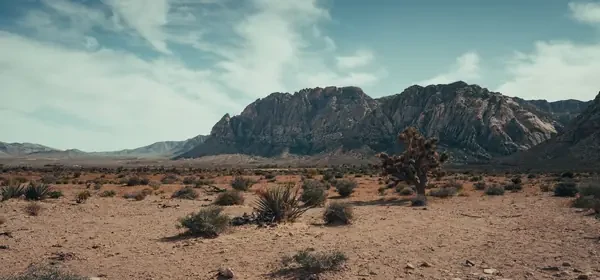
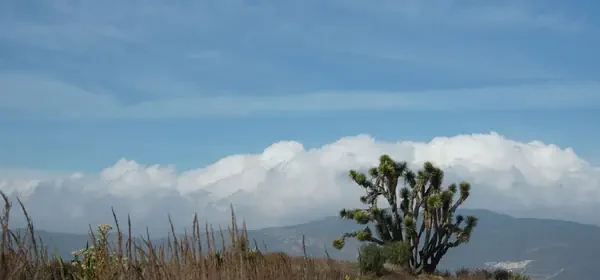
Lancaster sits in the western Antelope Valley - a high desert environment where the semi-arid climate, dramatic temperature swings, and specific construction methods create water damage risks that most restoration companies do not account for in their approach.
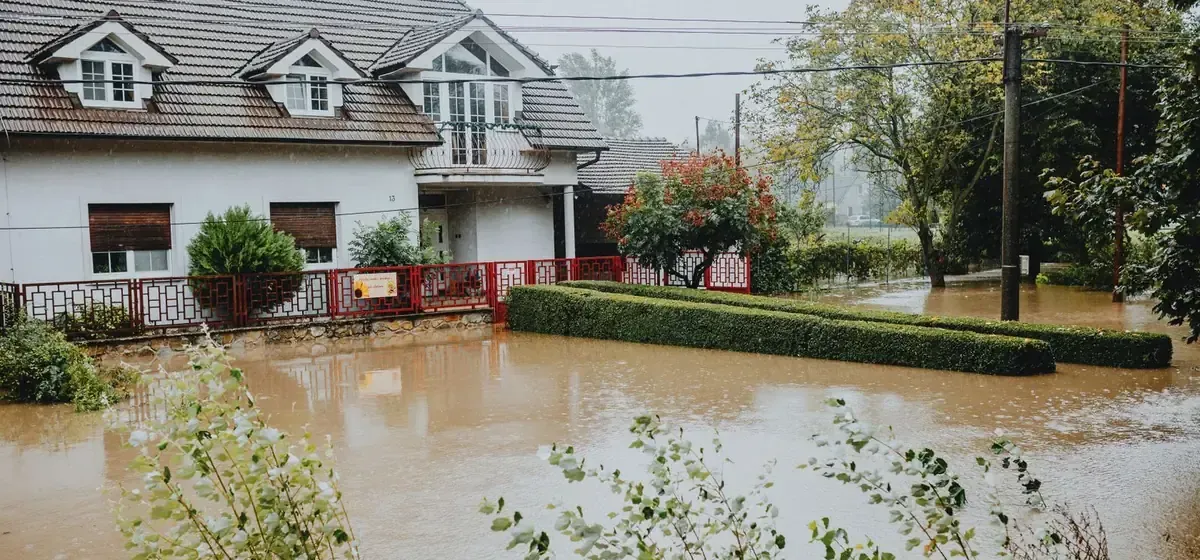
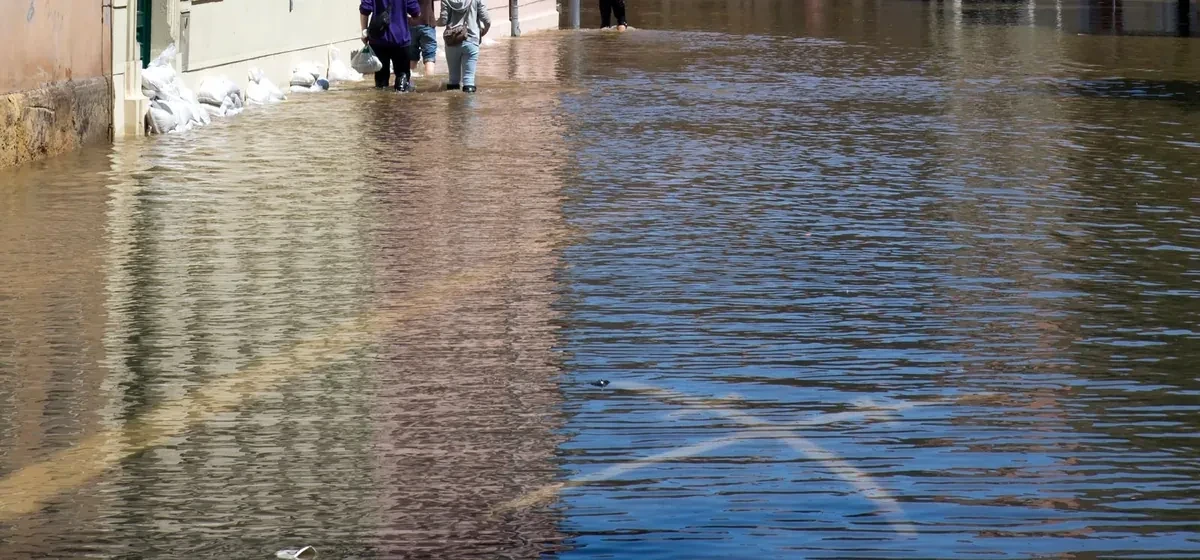
Desert thunderstorms and flash flooding. Intense storms during late summer monsoon season and El Niño-amplified winter events produce rapid runoff across terrain that does not absorb water quickly. Flash flood water entering a building is classified as Category 3 - grossly contaminated - regardless of appearance. Standard homeowners insurance does not cover this. Flood damage requires a separate policy.
Freeze-thaw pipe stress. Overnight temperatures regularly drop below freezing from November through February. Temperature swings exceeding 40 degrees between day and night stress plumbing systems, particularly supply lines in garages, exterior walls, and unheated spaces. Copper pipe - the dominant material in pre-2005 Lancaster homes - is especially vulnerable at solder joints and fittings. → Burst pipe water damage restoration
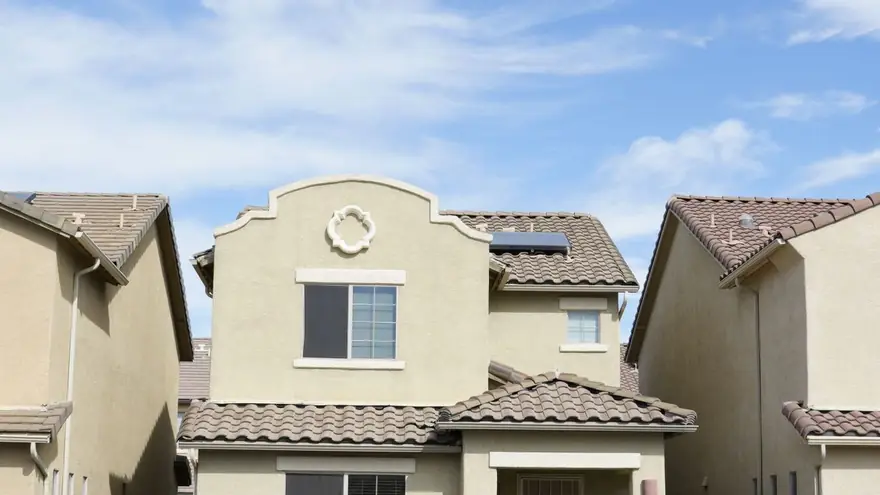
Slab leak prevalence. Slab-on-grade construction is dominant across all housing eras in Lancaster. Supply lines routed through or beneath the concrete foundation are subject to soil chemistry, mineral-rich water corrosion, and decades of thermal movement. Slab leaks often run for weeks before symptoms appear.
Hard water mineral buildup. The Antelope Valley's groundwater carries elevated calcium and magnesium that accelerates sediment accumulation in water heaters, shortening their service life to roughly 8-10 years - well below the national average.