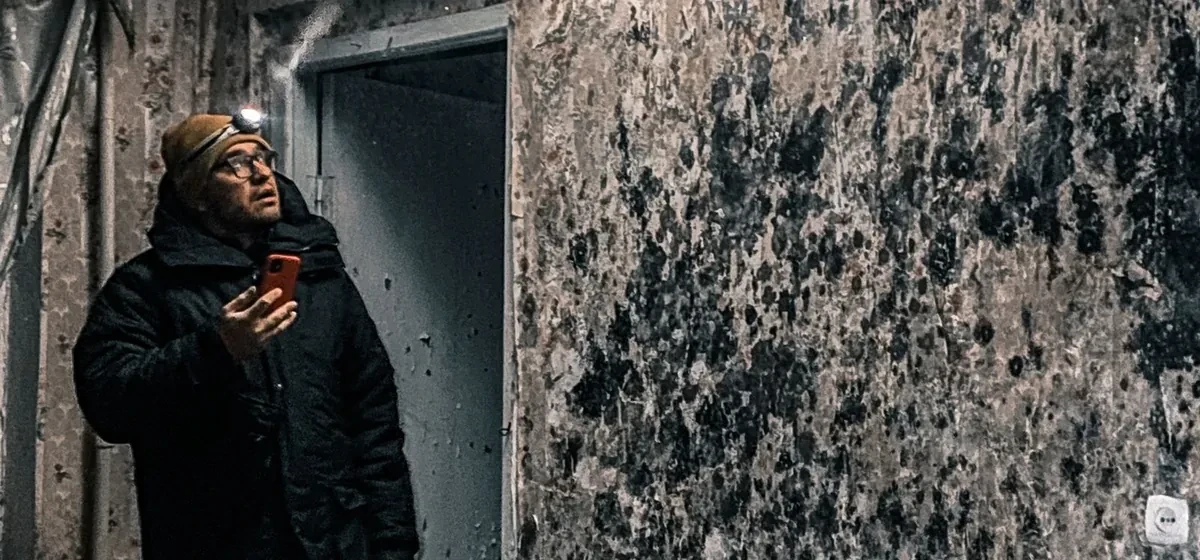
Mold inspection in Lancaster, CA determines whether mold growth is present in your property, where it is located, what species it is, and how far it has spread - the facts that decide whether remediation is needed and what the scope should be. Mold inspection is not remediation. It is the diagnostic step that comes first. Lancaster's dry desert climate does not prevent mold - mold grows inside enclosed building assemblies where water damage created the moisture it needs. We inspect Lancaster properties with professional instruments and accredited lab analysis to give you facts, not guesses.

After water damage. Not every water event leads to mold, but every one creates conditions where mold can occur if moisture is not removed promptly. If professional drying was completed within 48 hours and verified with moisture readings, the risk is low. If materials stayed wet longer than 48 hours, drying was not professional, or drying was not verified - inspection may be warranted before rebuild work begins.
Musty or earthy odors. A persistent musty smell is one of the most reliable indicators of mold growth. The odor comes from microbial volatile organic compounds released as mold metabolizes organic material. Growth may be visible or concealed - inside a wall, under flooring, in the HVAC system.
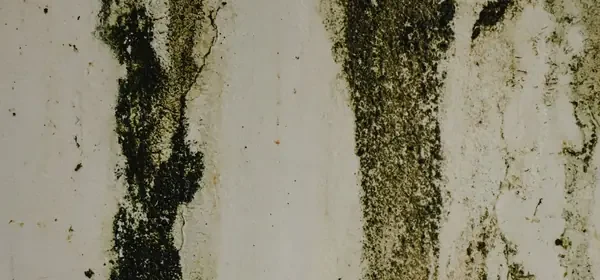
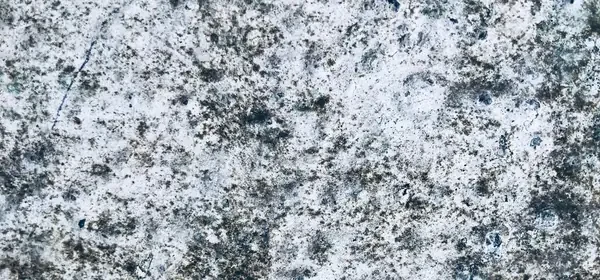
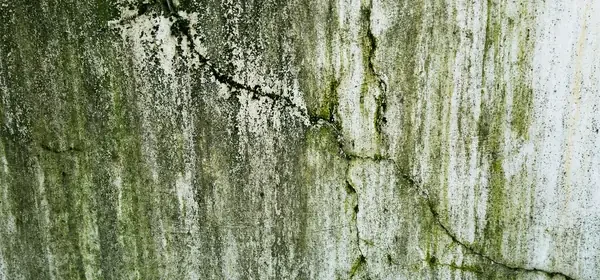
Visible growth. Discoloration on drywall, dark spots along baseboard or ceiling lines, growth on contents or furnishings. Inspection confirms whether it is mold (versus staining or mineral deposits), identifies the species through lab analysis, and determines the extent beyond what is visible.
Persistent health symptoms. Respiratory symptoms, allergic reactions, or irritation that worsen at home and improve when away may be associated with mold exposure. Inspection determines whether elevated mold levels are present in the indoor environment.
Real estate transactions. Pre-purchase inspections reveal potential mold issues before closing. Pre-sale inspections help sellers identify and address conditions that could affect the transaction.

Visual assessment. Systematic visual examination of the property - bathrooms, kitchens, laundry areas, beneath sinks, around water heaters, along exterior walls, window frames, closets, attic, and any area with known or suspected water damage history.
Moisture detection. Mold requires moisture to grow. Identifying active or recent moisture sources is essential to understanding why mold is present and whether conditions for continued growth still exist. Moisture meters and infrared thermal imaging detect elevated moisture in building materials - the same instruments used in water damage restoration, applied here to identify conditions supporting active growth. → Moisture mapping
Air and surface sampling. Air samples capture mold spores present indoors, compared to outdoor baseline samples to determine whether indoor levels are elevated. Surface samples - tape lift or swab from suspected growth areas - identify specific species and confirm active growth versus staining or debris. Samples are sent to an accredited laboratory.
Laboratory analysis and reporting. Lab results identify the types and quantities of mold present. The inspection report combines visual findings, moisture data, and lab results into a document showing where growth was found, what species were identified, what moisture conditions are supporting it, and what remediation scope is recommended. → If mold is found: mold removal process

This is the most common misconception we encounter. Mold needs three things: moisture, a food source, and time. Lancaster homes provide all three inside enclosed building assemblies.
Moisture comes from water damage events, plumbing leaks, condensation, and any situation where water contacts building materials. The outdoor air is dry - but the air inside a wall cavity containing wet drywall is not. The enclosed space traps moisture, maintaining elevated humidity supporting colonization even while room air on the other side reads 30% relative humidity.
Food sources are everywhere in a residential building - paper facing on drywall, carpet and pad, wood framing, dust in cavities, cellulose insulation. Mold is not selective about which organic material it colonizes.
Time is the critical variable. Colonization on porous materials can begin within 48 to 72 hours at elevated humidity. A water damage event that is not dried within this window - or that is partially dried, leaving concealed moisture - can produce growth discovered weeks or months later when symptoms appear. → Structural drying prevents this
Costs vary based on property size and testing scope. A basic visual inspection with limited sampling is on the lower end. Comprehensive inspection with multiple air and surface samples, detailed moisture mapping, and full lab analysis is higher. Scope is determined during initial consultation based on concerns, property size, and water damage history.
Consumer kits have significant limitations. Open-plate gravity tests collect whatever is in the air and produce results difficult to interpret without baseline comparison. They cannot identify species, quantify concentrations relative to outdoor norms, or locate the growth source. Professional inspection with accredited lab analysis provides the data needed for informed remediation decisions.
The inspection report provides the foundation for a remediation plan - identifying affected areas, species involved, and the moisture source that must be addressed. Remediation involves containment, material removal, surface treatment, and post-remediation clearance testing. → Full mold removal process
Coverage varies by policy. Some California homeowners policies include limited mold coverage - often capped at a specific dollar amount - when mold results from a covered water damage event. Mold from maintenance issues, long-term leaks, or humidity conditions is generally not covered. Review your specific policy for mold coverage details.

Air and surface mold sampling in Lancaster with lab analysis, used where documentation or identification matters.
Learn more
Mold removal in Lancaster, CA eliminates active mold growth through a controlled process of containment, material removal, surface treatment, and clearance verification.
Learn more
Remediation that connects the water loss to the mold correction: source, containment, removal, cleaning and drying.
Learn more
Water damage restoration in the 93534 area of Lancaster serves central Lancaster - the oldest and most densely built part of the city.
Learn moreThe phone assessment costs nothing and starts the clock in your favor: source guidance now, extraction and drying as fast as the job allows.