Emergency Service - Lancaster CA

Emergency Water Damage Restoration Lancaster CA

Emergency water damage restoration in Lancaster, CA means getting extraction equipment running at your property before the damage scope doubles. A burst pipe at 2 AM, a water heater failure while you are at work, storm water pushing under the garage door - these situations get worse by the hour, not the day. Every sixty minutes of standing water increases absorption, expands the affected area, and raises the total restoration cost. We respond to water damage emergencies across Lancaster 24 hours a day, 365 days a year. When water is actively damaging your property, that call cannot wait.

  • Open 24 hours, 7 days
  • Lancaster + Antelope Valley
  • Process guided by IICRC S500
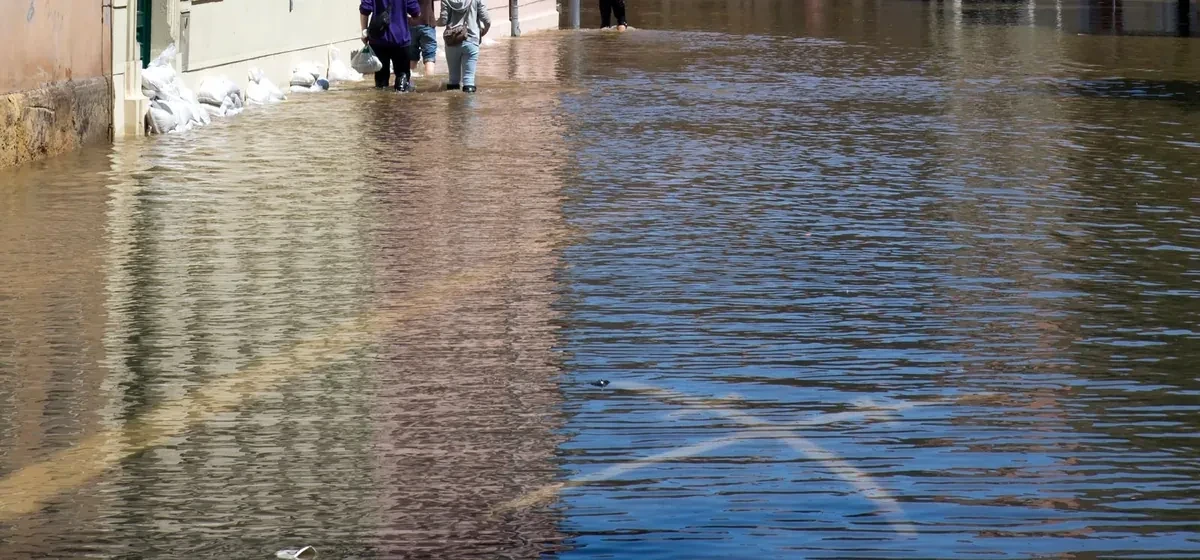
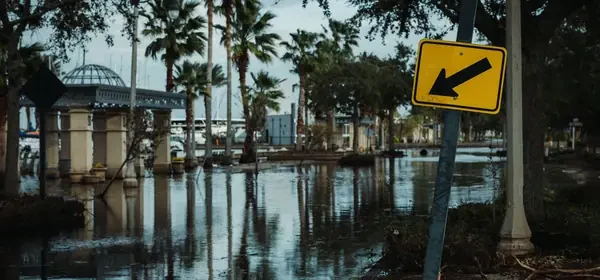
Flooded street between buildings during a storm - emergency water damage restoration in Lancaster CA
Lancaster CAOpen 24/7

What Makes Water Damage an Emergency

Not every water event requires emergency response, but far more qualify than most property owners realize. The distinction is not how dramatic the situation looks - it is how fast the damage is progressing.

Active water intrusion. Any situation where water is still entering the property - a supply line not yet shut off, a failed valve, storm water coming through a foundation-wall joint - requires immediate intervention. First priority: stop the source. Second: extract what entered.

Standing water on any surface. Even a quarter-inch of standing water means every material in contact is actively absorbing. Carpet pad saturates within minutes. Drywall starts wicking upward from the baseboard line on contact. Water on hard surfaces migrates through grout lines, seams, and transitions to the slab below.

Electrical exposure. Water in contact with or near outlets, baseboard heaters, panel boxes, or appliance connections creates a safety hazard that must be addressed before anyone enters the area.

Contaminated water. Gray water from washing machines, dishwashers, or toilet overflow with urine is Category 2. Sewage backups and exterior floodwater are Category 3. Both escalate with time - Category 2 degrades toward Category 3 within 48 hours if untreated. Contaminated water is always an emergency.

Unknown duration. If you come home to wet floors and do not know how long the water has been running, treat it as an emergency. A supply line under pressure can discharge hundreds of gallons per hour. Six hours unattended can mean thousands of gallons absorbed into the structure.

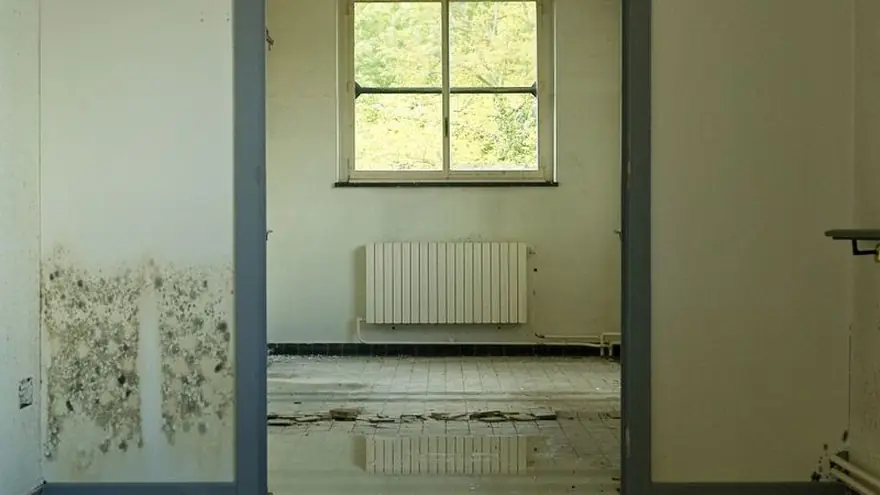
Standing water covering the floor of a Lancaster home after an emergency leak
Standing water inside a Lancaster home when an emergency call comes in.

What to Do During a Water Damage Emergency

Stop the water source if safe. Close the fixture shutoff valve (under the sink, behind the toilet, at the washing machine) or the main water supply valve. The main shutoff is typically near the front of the property at the meter or in the garage.

Address electrical safety. If water is near outlets, appliances, or the breaker panel, shut off power to affected circuits. If you cannot reach the panel safely or if the panel is in standing water, call your utility provider for emergency disconnect.

Avoid spreading contamination. For Category 2 or 3 situations, limit foot traffic through the affected area. Walking through contaminated water tracks bacteria and debris into unaffected rooms. Keep children and pets away entirely.

Do not use household fans. This is the most common mistake. Household fans create uncontrolled airflow that spreads contamination in Category 2 and 3 events and pushes moisture deeper into materials rather than extracting it. Professional drying uses calculated airflow and mechanical dehumidification together - a box fan does not replicate this.

Document the situation. Before extraction begins, photograph affected areas, the water source, and visible damage. Note the time you found the water and any information about when it may have started. This supports your insurance claim.

Call for professional extraction. The single most important decision is starting extraction fast. Every hour of delay measurably increases absorption, raises the probability that materials will need removal rather than drying, and expands total cost. → Water extraction details

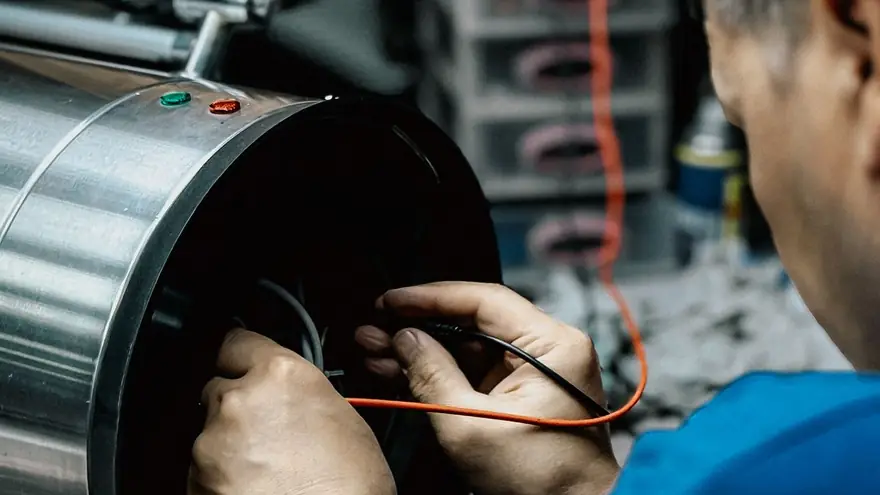
Technician performing maintenance work during an emergency water damage call in Lancaster CA
Setup work underway on an emergency Lancaster job.

Our Emergency Response Process

Phone triage. We gather critical information on the first call: suspected source, whether it is still active, estimated duration, rooms affected, electrical exposure concerns, and whether the water is clean, gray, or potentially contaminated. This determines priority level, equipment, PPE, and team size.

Rapid deployment. For active emergencies, the team deploys with extraction equipment, moisture detection instruments, containment materials, and PPE - everything needed to begin work on arrival, not assess first and return later.

Safety-first arrival. First action on-site is a safety check - electrical hazards, slip hazards, structural concerns, contamination level. For Category 3 events, containment barriers isolate the affected area before work begins.

Immediate extraction. Extraction starts as soon as the area is safe. Truck-mounted extractors, portable units, and weighted tools deploy based on flooring type and water volume. The objective: remove as much standing water as possible in the first pass. → Full extraction process

Initial moisture mapping. While extraction runs, moisture readings begin. The initial map identifies how far water has migrated beyond the visible wet area - in Lancaster homes, it is almost always further than expected. → Moisture mapping details

Equipment placement and communication. Air movers and dehumidifiers are positioned based on extraction results and moisture mapping. Before leaving, you receive a clear explanation of what was found, what was done, what the equipment is doing, expected timeline, and what happens next.

Frequently Asked Questions

Should I wait for insurance approval before calling for emergency help?

No. Insurance policies require the policyholder to mitigate further damage - meaning you are obligated to take reasonable steps to prevent the damage from getting worse. Emergency extraction is one of those steps. Waiting for a claim number or adjuster approval while water is damaging your property can jeopardize your coverage.

What if the emergency happens at night or on a weekend?

We respond to emergencies at any hour, any day. Pipe bursts, water heater failures, and storm damage happen as often at 2 AM on a Sunday as at noon on a Tuesday. Water damage does not follow business hours and neither does our response.

How do I shut off my main water supply in an emergency?

The main shutoff valve in most Lancaster homes is located near the front of the property at the water meter, or inside the garage. It is typically a gate valve (round handle, turn clockwise to close) or a ball valve (lever handle, turn perpendicular to the pipe). Test yours now so you know where it is and how it operates before an emergency. If you cannot close it, call your water utility for emergency shutoff.

Does emergency response cost more than standard restoration?

No. There is no additional premium for emergency response. The cost is determined by the scope of the damage - water category, area affected, equipment needed, and drying duration. Responding quickly to an emergency typically reduces total cost because early extraction prevents damage from spreading.

Related Services in Lancaster CA

Open 24/7 in Lancaster CA

Water damage in Lancaster? Start with one call.

The phone assessment costs nothing and starts the clock in your favor: source guidance now, extraction and drying as fast as the job allows.

(661) 338-1428

Request a callback

Prefer to talk now? Call (661) 338-1428. This form is available 24/7.