Structural drying in Lancaster, CA is applied science - not opening windows and hoping desert air does the work. After extraction removes standing water, the moisture locked inside drywall, beneath flooring, within wall cavities, and embedded in concrete slab needs mechanical force to come out. We use LGR and desiccant dehumidifiers, calculated air mover placement, and daily moisture monitoring to bring every affected material back to its verified dry standard. Drying is done when the meter confirms it - not when the floor feels dry. IICRC S500-compliant structural drying across all of Lancaster.

Professional drying operates on measurable physical principles - not intuition or time.
Evaporation. Moisture within building materials must transition from liquid to vapor - it must evaporate from the material surface. Air movers create high-velocity airflow across wet surfaces, stripping the thin layer of saturated air (the boundary layer) that forms above the material and replacing it with drier air that can accept more moisture. Faster airflow means faster evaporation.
Dehumidification. Once moisture evaporates into room air, it must be captured and removed. The dehumidifier continuously reduces the air's moisture content, maintaining conditions where evaporation from building materials can continue. Without mechanical dehumidification, room air reaches equilibrium - the air holds as much moisture as it can - and evaporation slows or stops. The materials stay wet.
Grain depression. The technical measure of dehumidification effectiveness. Grains per pound measures the absolute moisture content of air. The difference between incoming air GPP and post-dehumidifier air GPP is the grain depression. Higher grain depression means more moisture removed per cycle, which means faster drying.
Equilibrium moisture content. Every building material has a natural moisture level in equilibrium with its environment. Dry drywall in normal Lancaster indoor conditions reads roughly 0.5% to 1% moisture by weight. Wet drywall after a water event might read 25% or higher. The drying goal brings each material back within 2 to 4 percentage points of a dry reference reading from unaffected material of the same type.
Temperature management. Warmer air holds more moisture, which generally accelerates evaporation. But excessive heat can damage materials and accelerate biological growth in wet areas. Drying equipment generates heat as a byproduct - dehumidifiers release refrigeration cycle heat, air movers generate friction heat - which must be managed within the drying environment.
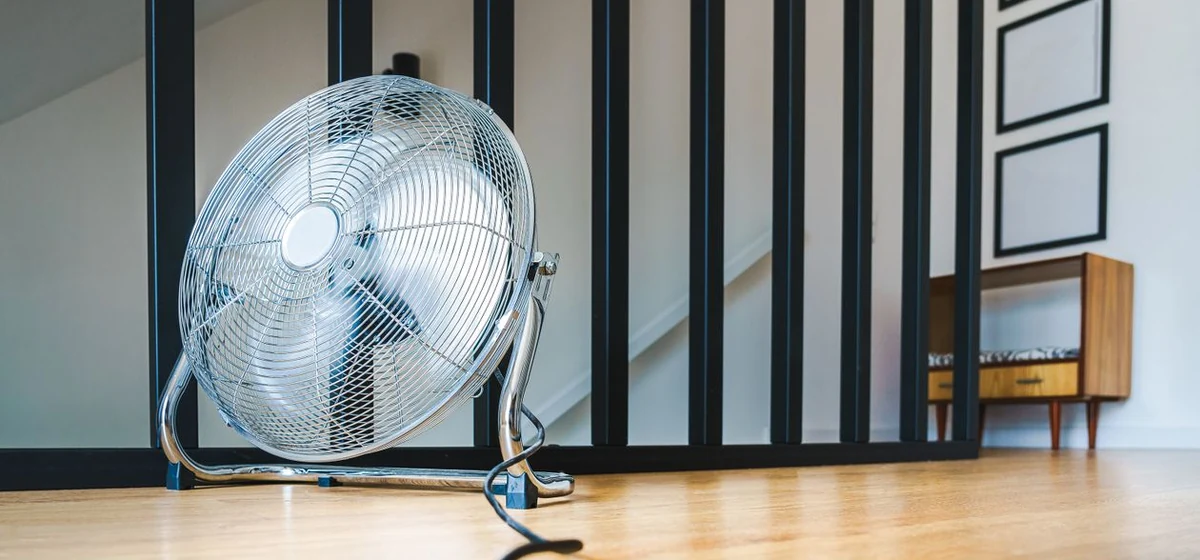
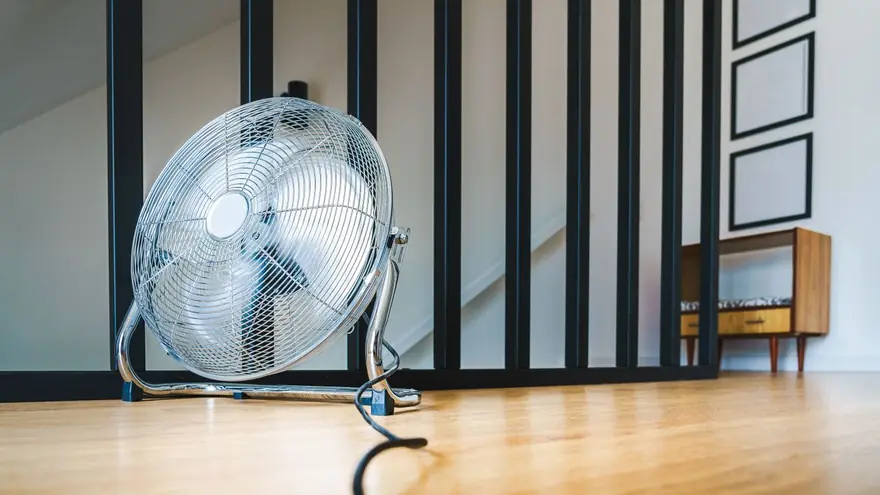
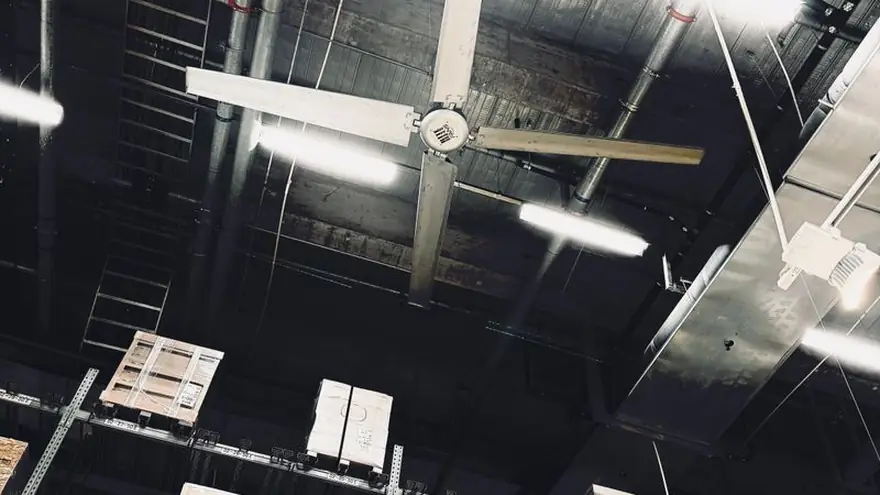
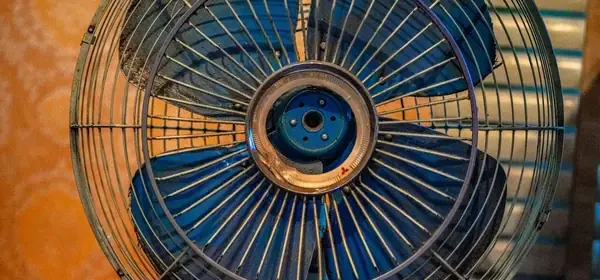
Air movers. Positioned to create directed high-velocity airflow across wet surfaces. Placement is calculated - angled and spaced based on room geometry, wet material locations, and airflow patterns needed to maximize evaporation. In a standard room with wet baseboard-to-slab junctions, air movers are angled downward toward the baseboard line at regular intervals where moisture concentration is highest.
LGR dehumidifiers. Low Grain Refrigerant units use a dual-cooling system achieving higher grain depression than conventional dehumidifiers - especially effective in Lancaster's naturally dry climate where humidity levels are already lower than in coastal regions. An LGR unit in a Lancaster home removes 15 to 30 gallons of water from the air per day.
Desiccant dehumidifiers. For Class 4 drying - hardwood floors, plaster walls, concrete, and other low-permeance materials - desiccant units use a chemical drying agent instead of refrigeration, achieving extremely low humidity levels that pull moisture from dense, slow-releasing materials. More effective than LGR in low-temperature environments, making them valuable for Lancaster winter drying when indoor temperatures drop.
Specialty drying systems. Injectidry systems force dry air into enclosed wall cavities, behind cabinetry, and under flooring where standard airflow cannot reach. Drying mats placed on hardwood or tile create sealed zones circulating dry air directly against the floor surface. Heat drying systems introduce controlled warmth into enclosed cavities to accelerate evaporation in resistant materials.

Low outdoor humidity - advantage and limitation. Outdoor relative humidity in Lancaster frequently drops below 20% in summer and stays below 40% most of the year. This helps surface evaporation. But it does not reach enclosed spaces - behind walls, under flooring, inside cabinets. Trapped moisture creates its own microclimate with humidity far higher than room air. Professional equipment is necessary to reach these enclosed areas regardless of outdoor conditions.
Temperature extremes. Summer temperatures regularly exceed 100°F. Unconditioned spaces - garages, vacant properties, rooms without HVAC running - can reach levels that increase evaporation but also accelerate biological growth. Winter conditions with overnight freezes and daytime temps in the 40s-50s slow evaporation and may require supplemental heat. The drying plan accounts for season, HVAC status, and interior conditions.
Slab-on-grade drying. Lancaster's dominant slab construction means the lowest building level is concrete - high thermal mass, low permeance. Concrete absorbs water slowly and releases it slowly. A slab wetted by a supply line break may take significantly longer to dry than the drywall and carpet above it. Slab moisture must be monitored even after upper materials reach their drying goals - a prematurely closed slab can re-wet newly installed flooring. → Moisture mapping monitors this process
Structural drying is a managed process. Each day during drying, a technician visits the property to take updated moisture readings at every monitoring point, measure temperature and relative humidity in the drying environment, calculate grain depression to confirm equipment performance, adjust air mover positions if drying is progressing unevenly, add or remove equipment based on changing conditions, and document all readings in the drying log.
Drying is complete when every monitored material has reached its drying goal - within acceptable range of its equilibrium moisture content. Not when the floor feels dry. Not when the room smells dry. Not when a certain number of days have passed. When the numbers confirm it.
Typical duration is three to five days for Class 1 and 2 damage, four to seven days for Class 3, and longer for Class 4 situations involving hardwood, concrete, plaster, or other dense materials. The timeline is determined by daily readings, not by the calendar. Drying continues until measurable goals are achieved.
No. Air movers produce noise roughly equivalent to a box fan. Dehumidifiers generate warmth as a byproduct of the dehumidification cycle. Furniture near equipment may need repositioning for airflow. All equipment is placed on floor protection.
No. Drying is a continuous process. Turning equipment off allows moisture in materials to re-equilibrate, extending the timeline and potentially allowing biological growth during off-cycles. Equipment runs 24 hours per day until drying goals are met and the equipment is removed by the restoration team.
Surface drying happens faster than subsurface drying. Painted drywall can feel completely dry while the paper backing and gypsum core remain elevated. Carpet face dries quickly while pad retains moisture. LVP looks perfect while the slab beneath is still wet. This is exactly why instruments - not touch or visual inspection - determine when drying is complete.

Water extraction in Lancaster, CA is the single step that determines how much of your property can be saved and how much needs demolition.
Learn more
Dehumidification in Lancaster with LGR and desiccant units sized by load, monitored daily by grain depression readings.
Learn more
Moisture mapping and detection in Lancaster, CA finds the water damage you cannot see.
Learn more
Water damage restoration in the 93536 area serves West Lancaster and the Quartz Hill community - Lancaster's concentration of larger, higher-end, two-story homes.
Learn moreThe phone assessment costs nothing and starts the clock in your favor: source guidance now, extraction and drying as fast as the job allows.