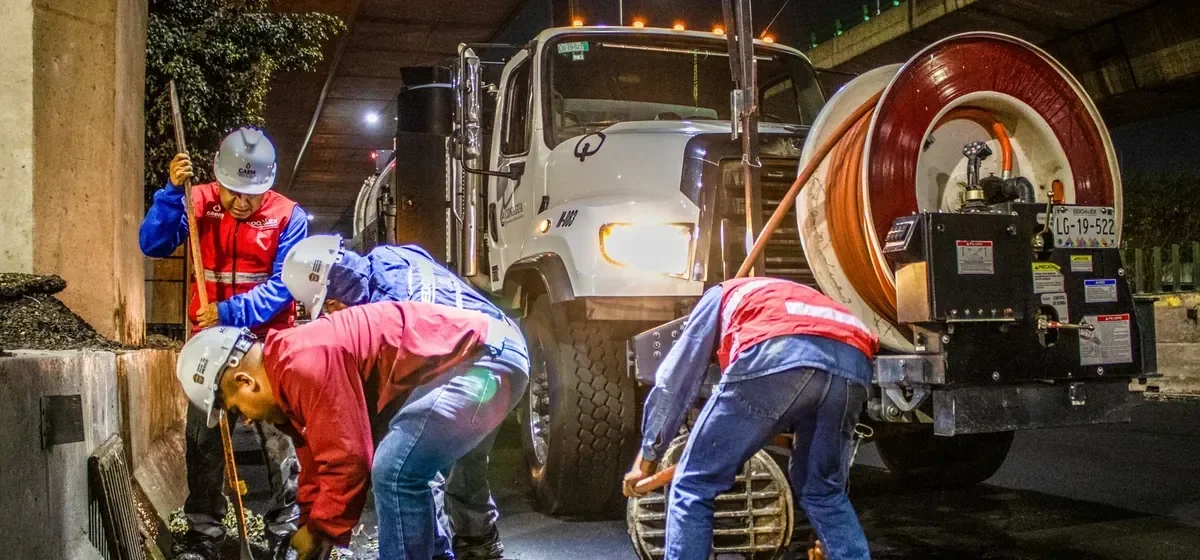
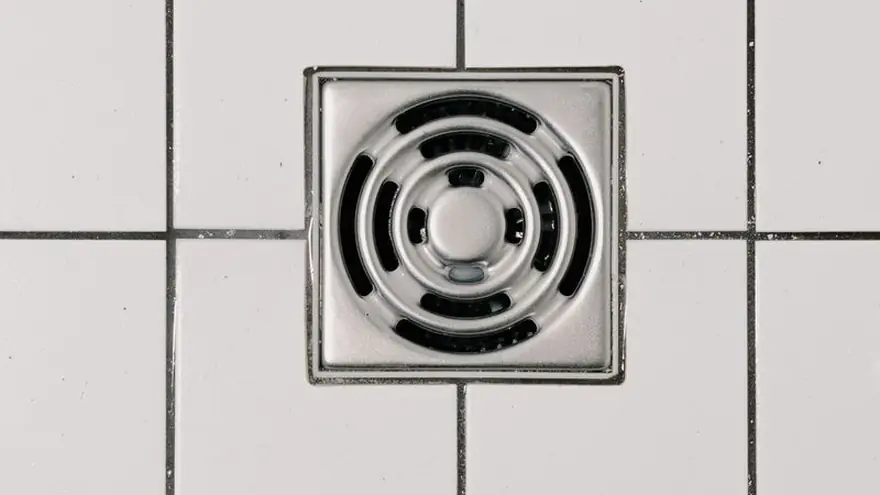
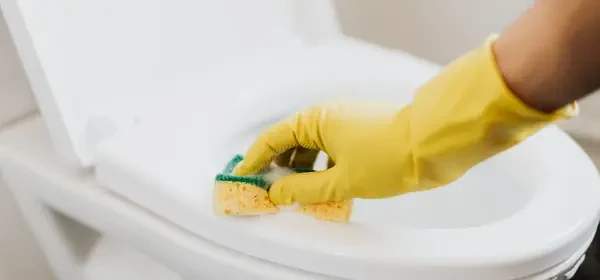
Sewage backup cleanup in Lancaster, CA is the most health-critical type of water damage restoration. Sewage - Category 3 under the IICRC S500 - is grossly contaminated water containing pathogenic bacteria, viruses, parasites, and biological hazards that pose immediate health risks through contact, inhalation, and ingestion. There is no version of sewage backup that is safe to handle without professional protective equipment, containment protocols, and decontamination procedures. A backup pushes wastewater from the drain system back through the lowest drain in the building - a floor drain, ground-floor toilet, shower drain, or bathtub - spreading contaminated water across the floor and elevating the restoration from a drying project to a decontamination project. We provide sewage cleanup across Lancaster with the safety protocols Category 3 demands.

Root intrusion. Tree and shrub roots seek moisture in sewer laterals, entering through joints and cracks, growing inside until they obstruct flow. During high-use periods, reduced capacity causes wastewater to reverse into the building.
Aging clay and cast iron laterals. Homes in the 93534 area built during the 1950s-1970s typically have clay tile or cast iron sewer laterals - materials with finite lifespans. Many are 50-70 years old, well past expected service life. → 93534 older infrastructure
Bellied or offset pipe sections. Soil settlement in the Antelope Valley creates low spots in lateral lines where solids accumulate rather than flowing to the main. Offset joints from soil movement create the same obstruction.
Main line issues. Sometimes the backup originates from the municipal main - system overload during heavy rainfall or main line damage reverses flow into connected laterals, backing up through the lowest fixtures.

Sewage contains E. coli, Salmonella, Hepatitis A, Norovirus, Giardia, Cryptosporidium, and other pathogens. Contact through skin, mucous membranes, inhalation, or ingestion causes gastrointestinal illness, skin infection, respiratory issues, and other health effects.
PPE required. Restoration personnel wear full PPE: waterproof boots, protective coveralls, nitrile gloves, eye protection, and N95+ respiratory protection. Property occupants should not enter the area without protection.
Containment. The affected area is isolated with physical barriers and negative air pressure to prevent contaminant migration to clean areas and prevent foot traffic from tracking contamination.
Occupant restrictions. During active cleanup, the area is off-limits to occupants, children, and pets. For severe backups affecting large areas, temporary relocation may be recommended until decontamination and clearance are complete.

Source control. The backup source must be identified and corrected first - blocked lateral cleared, failed pump repaired. Cleanup without source correction means recurrence.
Extraction. Standing sewage is extracted using equipment dedicated to Category 3 work, reducing the biological load on affected surfaces.
Aggressive material removal. Category 3 mandates removing ALL porous materials contacted by sewage - carpet, pad, drywall below the contamination line (minimum 12-24 inches above highest water contact), cellulose insulation, paper products, upholstered furniture, and any porous content. These materials cannot be adequately decontaminated.
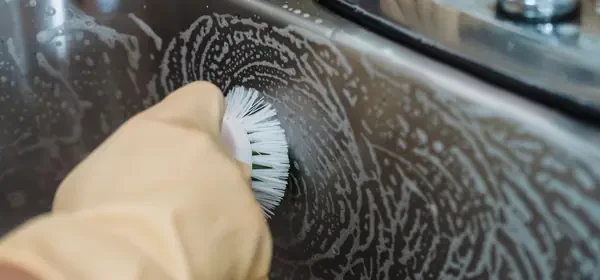
Cleaning and decontamination. All remaining surfaces - slab, framing, bottom plates, non-porous materials - receive multiple cleaning passes: initial visible contamination removal, antimicrobial treatment registered for sewage pathogens, and final residual cleaning.
Drying. After removal and decontamination, remaining structure is dried with standard air movers and dehumidifiers to prevent biological growth on treated surfaces. → Structural drying
Odor treatment. Sewage odor is persistent. After physical decontamination, hydroxyl generators, ozone (unoccupied spaces only), or thermal fogging neutralize volatile compounds producing the characteristic smell.
Verification. ATP testing or biological verification confirms surface contamination is reduced to acceptable levels. Moisture readings verify drying goals. Both provide documentation that the property has been restored to safe condition.
Coverage varies. Some policies include limited sewer/drain backup coverage as an optional endorsement with a sub-limit (commonly $5,000-$25,000). Without this endorsement, sewage damage may not be covered. Check your policy for "sewer backup" or "drain backup" endorsement language. → Insurance guide
Non-porous items (glass, metal, hard plastic) can be cleaned and decontaminated. Porous items (upholstered furniture, clothing in direct contact, mattresses, paper products) generally cannot be adequately decontaminated. Semi-porous items (wood furniture, leather) are evaluated case by case.
A contained backup affecting one room - three to five days for cleanup, decontamination, and drying. Larger multi-room events require additional time. Reconstruction (replacing removed materials) follows the mitigation phase.
Sewage is Category 3 - contaminated water requiring PPE, containment, and antimicrobial treatment regardless of volume. Even a small backup carries the same biological hazards as a large one. Professional cleanup protects your health and ensures decontamination is verified.

Toilet overflow cleanup in Lancaster, CA addresses one of the most common bathroom water damage events - and one homeowners frequently underestimate.
Learn more
Antimicrobial treatment after water damage in Lancaster, CA is the decontamination step that makes a water-damaged area safe to rebuild in.
Learn more
Water extraction in Lancaster, CA is the single step that determines how much of your property can be saved and how much needs demolition.
Learn more
Water damage restoration in the 93534 area of Lancaster serves central Lancaster - the oldest and most densely built part of the city.
Learn moreThe phone assessment costs nothing and starts the clock in your favor: source guidance now, extraction and drying as fast as the job allows.