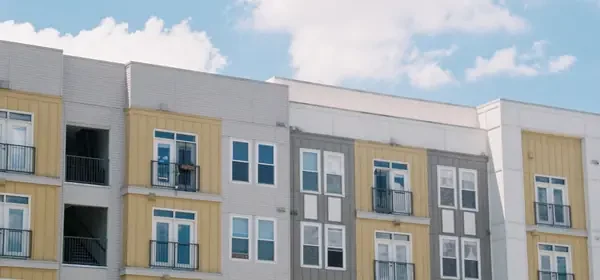
Burst pipe water damage restoration in Lancaster, CA addresses the most common and most destructive water damage source in the Antelope Valley. A burst supply line delivers water under continuous municipal pressure - it does not stop until someone shuts the valve. Lancaster's combination of aging copper plumbing in older homes, the freeze-thaw cycle that stresses joints through winter, and mineral-rich water that accelerates internal corrosion makes pipe failure a predictable risk across every part of the city. A burst pipe is always an emergency. The water is under pressure and the restoration clock is already running.

Freeze-thaw cycle. Lancaster experiences regular overnight freezing from November through February, with some events reaching the low twenties. The high desert temperature swing - daytime highs in the 50s-60s dropping to overnight lows in the 20s-30s - creates repeated freeze-thaw cycles that weaken pipe joints and fittings over time. Supply lines in garages, exterior walls, attic spaces, and unheated areas are most vulnerable. When water inside a pipe freezes, it expands. The expansion creates pressure between the ice blockage and the closed faucet downstream. The pipe fails not at the freezing point but at the weakest point in the pressurized section - a solder joint, a compression fitting, or a section of pipe wall thinned by corrosion. When the ice thaws, pressurized water rushes through the failure.
Aging copper plumbing. Copper has been the dominant supply line material in Lancaster homes from the 1950s through the mid-2000s. Lancaster's water supply - drawn from groundwater and imported sources with dissolved minerals - accelerates pitting corrosion that creates pinhole leaks in pipe walls. Solder joints connecting fittings to straight pipe weaken over decades of thermal cycling. Homes in central Lancaster with original 1950s-1960s copper carry the highest risk. → Central Lancaster 93534 details
Slab leaks. In Lancaster's slab-on-grade homes, supply lines routed through or beneath the concrete foundation are subject to soil movement, chemical interaction with concrete and soil, and the same corrosion attacking above-slab copper. Slab leaks are particularly damaging because they run undetected for extended periods. The first symptom may be a warm spot on the floor, a gradual water bill increase, or the sound of running water when no fixture is in use. By the time a slab leak is discovered, moisture has migrated through flooring, into drywall, and across a footprint much larger than the leak source.
Water pressure fluctuations. Municipal pressure in Lancaster varies with elevation, time of day, and system demand. Pressure spikes - particularly at night when demand is low - stress aging fittings and corroded pipe sections. Homes without a functioning pressure regulator are more vulnerable to pressure-related failures.

Burst pipe restoration follows an accelerated version of the standard process because the water volume is typically higher and the urgency of extraction is greater.
Immediate extraction. After the water source is controlled - valve closed, line capped, or main supply shut off - extraction begins immediately. For a pipe burst that has been running several hours, the water volume in the structure can be substantial. Truck-mounted extraction removes bulk water from floors, carpet, and pad. Wall cavity extraction may require opening access points. → Full extraction process
Category assessment and timeline. Most pipe burst water is Category 1 - clean water from a sanitary supply line. But Category 1 does not stay clean. If it has been sitting in contact with building materials, dust, and organic debris for more than 48 hours, it begins degrading toward Category 2, requiring additional safety measures and more conservative material removal decisions. The time gap between leak start and discovery directly affects category classification.
Moisture mapping. The migration footprint of a burst pipe is almost always larger than visible. Water follows baseboard channels, travels under flooring, passes through wall cavities, and reaches rooms appearing completely dry. Thorough mapping ensures the drying setup covers the full scope. → Moisture mapping details
Drying strategy. Higher moisture loads from burst pipes often require more drying equipment, longer timelines, and more frequent monitoring than smaller-volume events. Class 2 and 3 damage classifications are common due to the volume of water involved. → Structural drying process
Material removal decisions. Removal depends on water category at the time of restoration (not just at release), exposure duration, and material type. Category 1 controlled within the first few hours often allows drying drywall in place, saving carpet face while replacing pad, and preserving cabinetry with limited absorption. Longer-duration losses or Category 2 transitions require more aggressive removal.
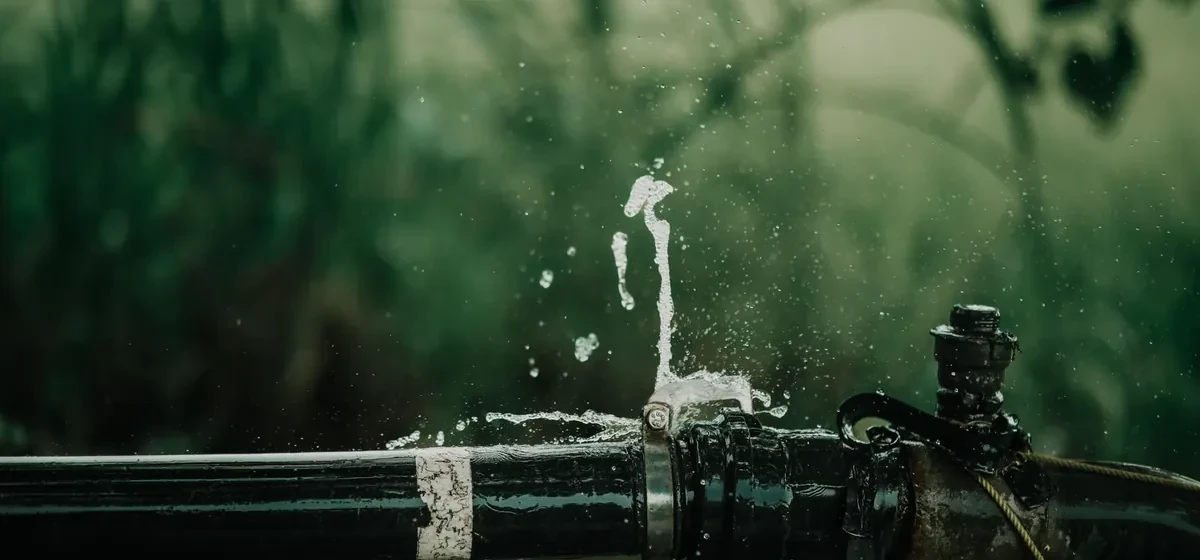
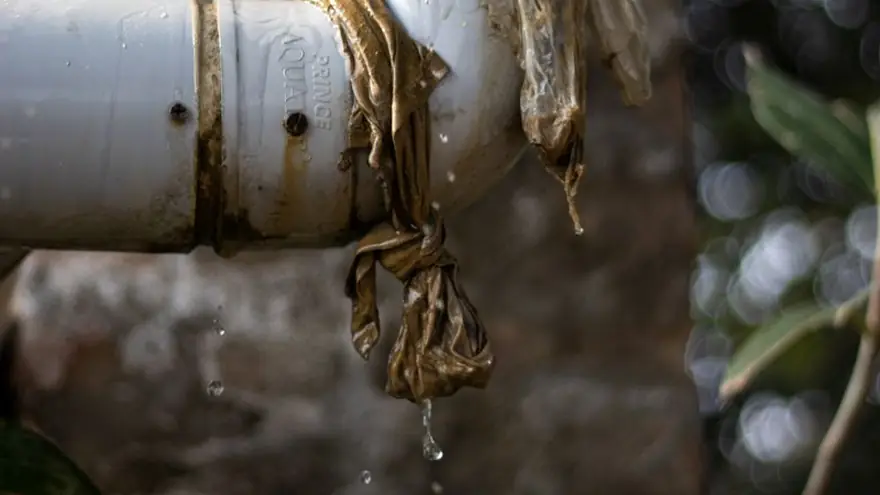
Burst pipe water damage is generally covered by standard California homeowners insurance as a sudden and accidental event. Coverage typically applies to both structural damage and affected contents.
The most common coverage dispute involves duration. If the insurer determines the pipe was leaking gradually rather than bursting suddenly, the claim may face a maintenance or gradual damage exclusion. This is why documentation matters - moisture readings, damage assessment, and classification from the restoration team help establish whether the event was sudden or long-term.
Slab leak claims add complexity. Some policies cover the damage caused by the slab leak - wet drywall, flooring, cabinetry - but exclude the cost of accessing and repairing the pipe itself. Understanding your specific policy provisions before a loss helps set accurate expectations. → Residential insurance details
Common indicators: unexplained water bill increases, warm spots on the floor (from a hot water line leak), the sound of running water when all fixtures are off, damp or discolored flooring without an apparent source, and reduced water pressure. A professional leak detection service can confirm and locate the leak.
Polybutylene (poly B) pipe was installed in some Lancaster homes during the 1970s and 1980s. This flexible plastic material became known for premature failure due to chlorine degradation from treated water. Properties in Lancaster with original poly B plumbing carry elevated risk for multi-point supply line failures. A plumbing inspection can determine whether poly B is present and assess its condition.
Full repiping is a significant investment, but it eliminates the risk of catastrophic supply line failure from aging copper or polybutylene. If your home has original plumbing from the 1950s through the 1980s, a plumbing inspection can evaluate line condition and help you decide between proactive replacement and reactive repair. → 93534 older home details
Generally, no - pipe bursts are sudden and accidental events covered regardless of whether you are home. However, if the insurer determines you were aware of a deteriorating plumbing condition and did not address it, or if the home was left unoccupied for an extended period without reasonable precautions, coverage disputes can arise. Documenting your home's maintenance history is helpful.

Emergency water damage restoration in Lancaster, CA means getting extraction equipment running at your property before the damage scope doubles.
Learn more
Water extraction in Lancaster, CA is the single step that determines how much of your property can be saved and how much needs demolition.
Learn more
Supply line failure water damage in Lancaster, CA covers the full range of supply line problems beyond burst pipes - the slow leaks, the corroded fittings, the compression connections that loosen over time, and the braided hose failures that are the most common plumbing-related water damage source in homes across the Antelope Valley.
Learn more
Water damage restoration in the 93534 area of Lancaster serves central Lancaster - the oldest and most densely built part of the city.
Learn moreThe phone assessment costs nothing and starts the clock in your favor: source guidance now, extraction and drying as fast as the job allows.