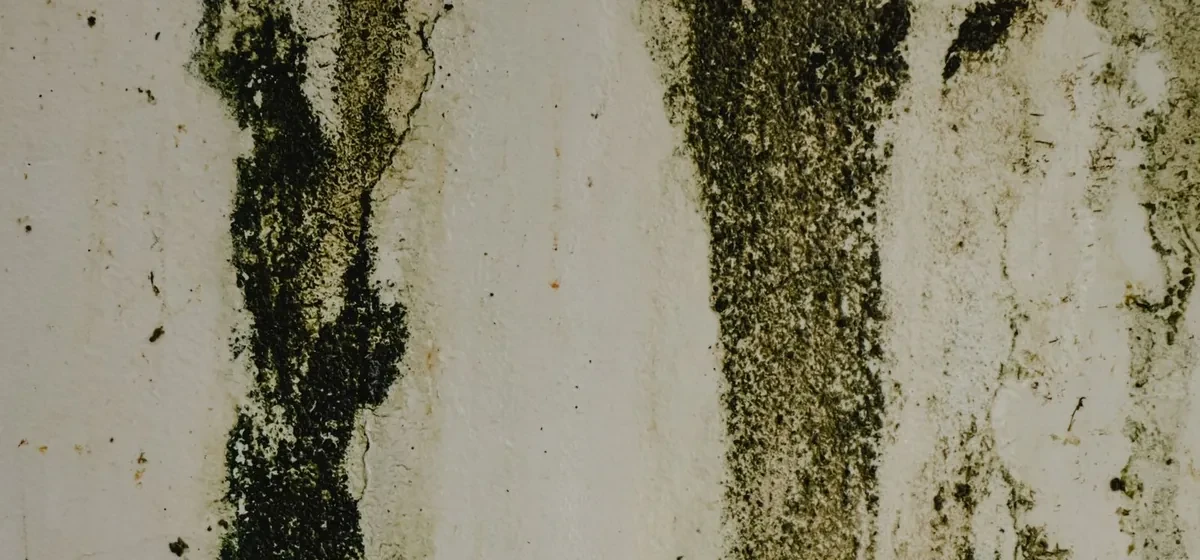
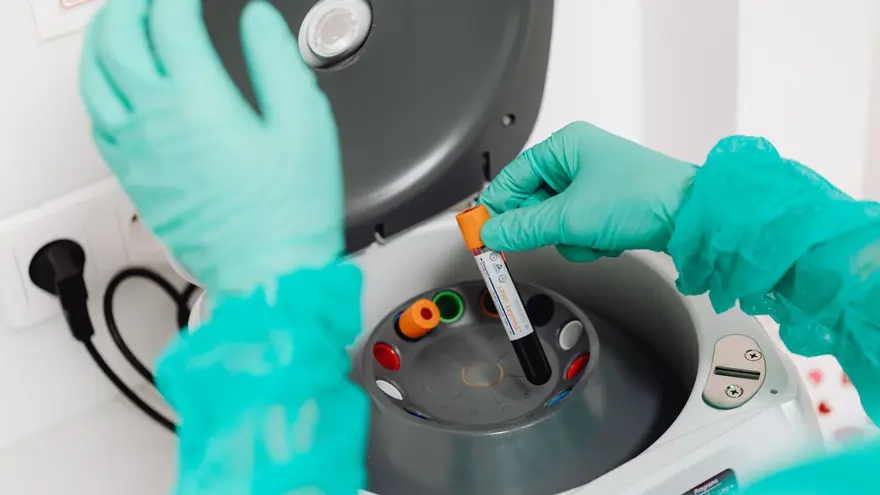
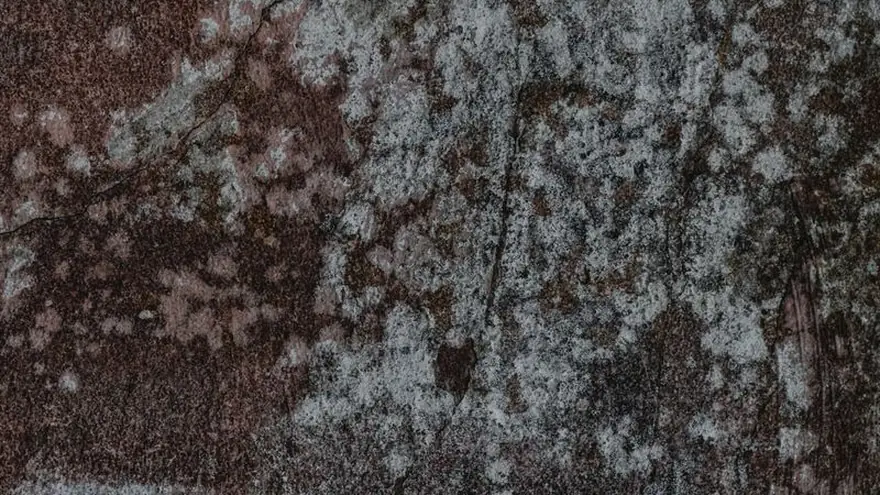
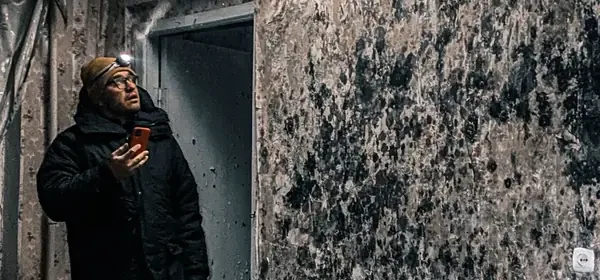
Mold testing in Lancaster uses air samples, surface samples or both, analyzed by an accredited laboratory, to identify mold types and compare indoor levels against an outdoor baseline. Testing answers specific questions - what is present, and how do indoor conditions compare to outside - when those answers change a decision.

A laboratory report identifies the genera of mold in a sample and, for air samples, the spore concentration, compared against a control sample taken outdoors. That comparison is the heart of air testing: indoor air that mirrors outdoor air is a normal desert home; indoor air dominated by water-damage indicator types at elevated counts describes a building with an indoor growth source. Testing is genuinely useful for that distinction.
Testing also has honest limits. It samples a moment in time, in the rooms sampled. It does not locate growth inside a wall, and no United States federal standard sets a safe or unsafe spore count for homes - interpretation compares your indoors to your outdoors and to the types found. Testing is a tool for decisions, not a verdict by itself, and it pairs with a visual and moisture inspection to mean anything.

The honest counter-list matters too: if growth is visible and the plan is already removal, testing rarely changes the plan - the money is usually better spent on the inspection that maps the extent and source. A reputable provider will tell you when testing adds information and when it only adds cost.
Every job follows the IICRC S500 framework, sequenced for this kind of loss:
Sampling is designed after a visual and moisture check, so samples are taken in the rooms and locations where they will actually answer the question.
An outdoor baseline sample is collected the same day, because indoor results only mean something in comparison to the air outside your Lancaster home.
Air cassettes and, where useful, surface swabs or tape lifts are collected per the sampling plan and documented with chain of custody.
Samples are analyzed by an independent laboratory, which reports types and concentrations without a stake in any remediation scope.
You receive the lab report plus an interpretation: what was found, how it compares to outdoors, and what - if anything - the findings say should happen next.
Every loss is classified twice during the first inspection. The category (1, 2 or 3) records how contaminated the water is, from clean supply water through gray appliance water to grossly contaminated sewage or floodwater. The class (1 through 4) records how much water the building absorbed and how difficult drying will be, from a small contained area to saturated walls or specialty materials like hardwood and concrete.
These two labels are not paperwork. Category sets the safety protocol, the protective equipment and which porous materials may be dried and which must be removed. Class sets the equipment plan and the expected drying time. Both are recorded in the job file on day one, and both are part of what an insurance adjuster examines when the claim is evaluated.
Lancaster's outdoor air carries a desert spore profile: types associated with soil and dry plant material are normal background here, and a windy Antelope Valley day moves a great deal of outdoor air - and its spores - through any home. That is precisely why the outdoor control sample matters so much locally: without it, a normal desert background can be misread as an indoor problem.
The meaningful signal is indoor dominance by water-damage indicator types that are minor outdoors, or indoor counts far above the control. That pattern points back to a wet assembly, and the follow-up is the moisture investigation that finds it.
Homeowners comparing areas can read about water damage restoration lancaster ca 93535 for the local picture. For background before you need it, our guide on category 1 vs category 2 vs category 3 water damage explained covers the topic in depth.
Drying equipment runs continuously once it is placed - air movers pushing air across wet surfaces and dehumidifiers removing the moisture that air picks up. The work zone will be warm and noticeably noisy, and the crew returns on a monitoring schedule to take readings, reposition equipment and confirm each material is on track toward its drying goal.
Most Lancaster homes remain livable during drying, with the work zone contained and the rest of the house unaffected. Equipment comes out assembly by assembly as readings verify dry standard, so rooms return to normal progressively rather than all at once on a promised date.
Water damage restoration costs in Lancaster generally fall in the range of roughly $1,200 to $7,000 or more, depending on the scope of the loss. Small, contained leaks involving a single room with Category 1 water tend to land on the lower end. Multi-room losses, Category 2 or 3 water, extensive material removal and longer drying timelines push costs higher. The variables that most affect final cost are the square footage of the affected area, the water category and class, how long materials stayed wet before mitigation began, the types of building materials involved, and whether contents cleaning or pack-out is needed. Most homeowners insurance policies cover sudden and accidental water damage, and the documentation produced during the job is what supports that claim.
Testing is priced by the number of samples, with lab fees included in the quote. The sampling plan is set by the question being asked, so cost is confirmed before collection - no open-ended sampling.

Usually not for the remediation decision itself - visible growth gets removed regardless of its genus. Testing in that situation serves documentation purposes: transactions, disputes or health investigations. If none of those apply, the inspection and moisture mapping are the better spend.
There is no federal numerical standard for homes. Normal is defined comparatively: indoor types and counts similar to the outdoor control. Elevated counts of water-damage associated types indoors, especially far above outdoors, indicate an indoor source that needs investigation.
Standard lab turnaround is typically a few business days from collection, with faster options available for transaction deadlines. The timeline is confirmed when samples are collected.
Air testing can suggest a hidden source when indoor results show an indoor signature without visible growth, but it cannot pinpoint the location. Locating hidden growth is the job of the moisture survey and targeted inspection openings, guided by the test results.
Sampling and lab analysis are kept independent - the lab has no stake in the findings. Where the same company inspects and remediates, the written findings and third-party lab report are your protection that the scope follows the evidence.

Mold inspection in Lancaster, CA determines whether mold growth is present in your property, where it is located, what species it is, and how far it has spread - the facts that decide whether remediation is needed and what the scope should be.
Learn more
Mold removal in Lancaster, CA eliminates active mold growth through a controlled process of containment, material removal, surface treatment, and clearance verification.
Learn more
Remediation that connects the water loss to the mold correction: source, containment, removal, cleaning and drying.
Learn more
Water damage restoration in the 93535 area covers East Lancaster - established 1980s-1990s neighborhoods and newer construction stretching toward the eastern Antelope Valley.
Learn moreThe phone assessment costs nothing and starts the clock in your favor: source guidance now, extraction and drying as fast as the job allows. Air and surface mold sampling in Lancaster with lab analysis, used where documentation or identification matters.