Process: Dehumidification - Lancaster CA

Dehumidification Services Lancaster CA

Dehumidification in Lancaster is the mechanical removal of moisture from the air inside a sealed drying zone, using LGR or desiccant dehumidifiers sized to the space and the materials. It is the engine inside structural drying: air movers free the water from materials, dehumidifiers take it out of the building.

  • Open 24 hours, 7 days
  • Lancaster + Antelope Valley
  • Process guided by IICRC S500
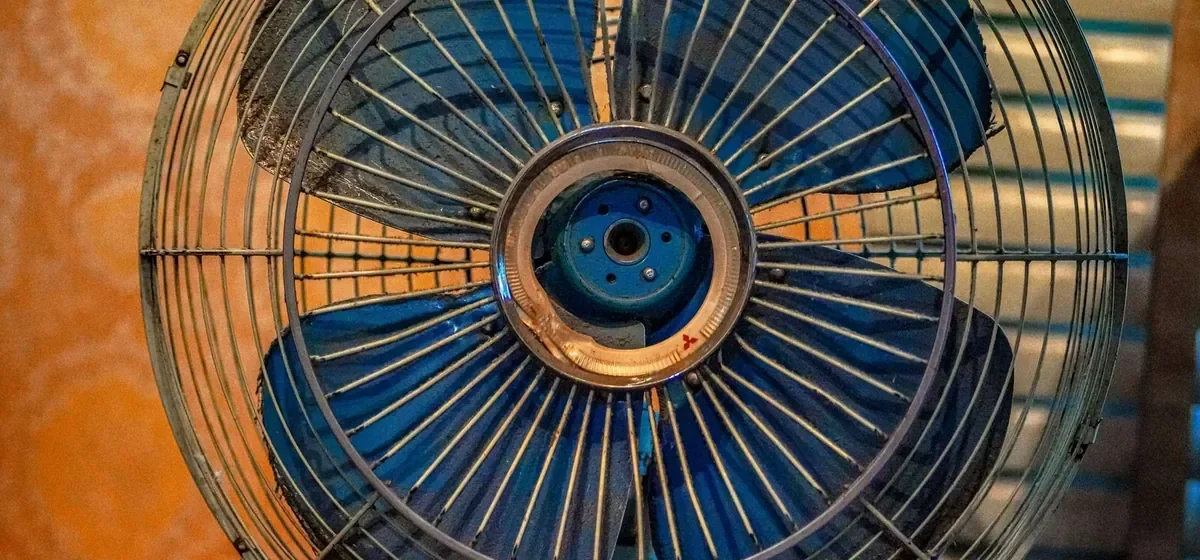
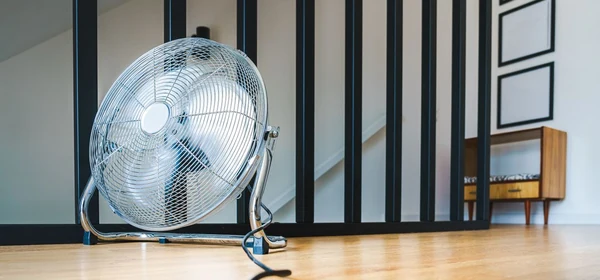
Air mover fan used to circulate air during structural drying - dehumidification services in Lancaster CA
Lancaster CAOpen 24/7

Why does air need dehumidifying during drying?

Wet materials release moisture into the air until the air cannot hold more - at which point drying stops, no matter how many fans are running. Dehumidification breaks that ceiling. By continuously removing moisture from the chamber air, it maintains the gradient that pulls water out of drywall, wood, carpet and concrete. The technical measure is grains per pound of air, and the working target is grain depression: chamber air measurably drier than the air the wet materials would produce on their own.

Sizing is a calculation, not a guess. The cubic volume of the chamber, the water class of the loss and the materials involved determine how much water removal capacity - measured in pints per day - the job requires. Undersized dehumidification is the most common reason amateur drying jobs stall halfway.

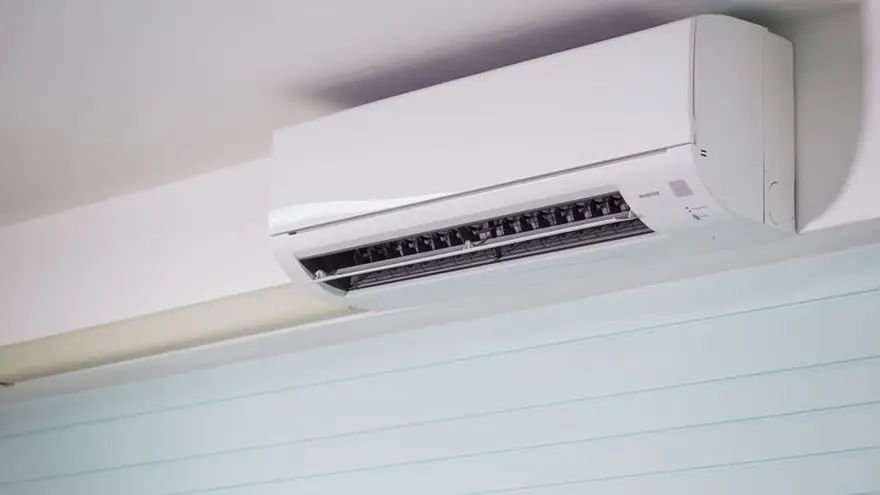
Wall mounted air conditioner inside a Lancaster CA home
Climate control inside a Lancaster home while dehumidifiers pull moisture down.

Which dehumidifier type fits which Lancaster job?

LGR - Low Grain Refrigerant - units pre-cool the air to wring out more moisture per pass, and they stay efficient as humidity drops, which is why they carry most residential work. Desiccant units use a moisture-absorbing wheel and excel where refrigerant units struggle: low temperatures, very low target humidity, and dense Class 4 materials like concrete, plaster and hardwood that release water slowly.

How the work proceeds, step by step

Every job follows the IICRC S500 framework, sequenced for this kind of loss:

Load calculation

The chamber volume and loss class are measured and the required pints-per-day capacity is calculated from S500 guidance before a single unit is placed.

Unit selection and placement

LGR or desiccant units are chosen by conditions and placed so processed air circulates through the whole chamber without dead zones.

Grain depression monitoring

Temperature and humidity are logged daily and converted to grains per pound, proving the chamber air is holding its drying gradient.

Capacity adjustment

If readings show the load outrunning capacity - common on day one of Class 3 losses - units are added. As materials dry and load falls, units come out.

Completion verification

Dehumidification ends when material readings reach dry standard, confirmed alongside the air readings in the final drying log.

Why does documentation run through the whole job?

A water loss is documented from the first phone call to the final reading: photographs of the source and the affected areas, moisture readings and a map of where the water traveled, equipment placement records, and daily drying logs showing each material moving toward its goal. That file is the memory of the job, built while the facts are fresh.

The documentation does double duty. It guides the work itself, because drying decisions are made from readings rather than impressions. And it becomes the claim record: the scope of loss, the evidence of a sudden event, and the verification that the structure reached dry standard before repairs began. Homeowners receive the complete file when the job closes.

What does this cost in Lancaster?

Water damage restoration costs in Lancaster generally fall in the range of roughly $1,200 to $7,000 or more, depending on the scope of the loss. Small, contained leaks involving a single room with Category 1 water tend to land on the lower end. Multi-room losses, Category 2 or 3 water, extensive material removal and longer drying timelines push costs higher. The variables that most affect final cost are the square footage of the affected area, the water category and class, how long materials stayed wet before mitigation began, the types of building materials involved, and whether contents cleaning or pack-out is needed. Most homeowners insurance policies cover sudden and accidental water damage, and the documentation produced during the job is what supports that claim.

Dehumidification is billed as equipment time within the mitigation scope. Correct sizing usually shortens the total drying cycle, so the cheapest job is rarely the one with the fewest units - it is the one that finishes soonest.

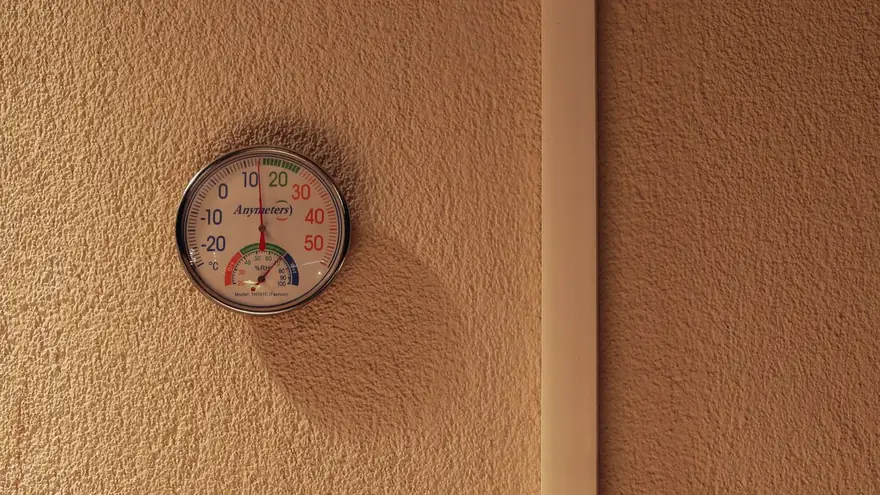
Hygrometer mounted on a wall tracking indoor humidity in Lancaster CA
A wall hygrometer tracking the humidity drop during Lancaster dehumidification.

How can Lancaster homeowners reduce the next water loss?

Most Lancaster losses are preventable or shrinkable with unglamorous habits: knowing where the main shutoff is and testing it, replacing washing machine and supply hoses on a schedule rather than after failure, insulating exposed lines before the November freeze season, and looking under every sink and behind the water heater a few times a year.

The second habit is speed. Water damage cost is a function of hours: extraction inside the first day keeps materials saveable and water in its original category. A household that knows its shutoffs and calls early has done more for its restoration bill than any negotiation later can.

Does Lancaster's dry desert air replace dehumidifiers?

It is the most reasonable wrong idea in local water damage. Outdoor Lancaster air is often below 15 percent relative humidity in summer - but that air is not inside your wall cavity, and the air inside the cavity is in equilibrium with wet drywall, not with the desert. A sealed chamber with wet materials will sit near saturation without mechanical removal, in the middle of the Mojave.

There is one real local interaction: very dry outside air leaking into a chamber can help or hurt depending on temperature, and unconditioned spaces like garages swing widely across a desert day. Daily psychrometric readings capture all of it, which is why the log matters more than assumptions.

Homeowners comparing areas can read about water damage restoration lancaster ca 93535 for the local picture. For background before you need it, our guide on flash flood preparedness for lancaster homeowners covers the topic in depth.

Frequently Asked Questions

How many dehumidifiers does my home need?

It is calculated from the size of the drying chamber and the class of the loss. A single contained bathroom loss may need one compact unit; a multi-room Class 3 loss can need several large units. The first day's readings confirm whether the calculation holds.

What is the difference between LGR and desiccant dehumidifiers?

LGR units refrigerate air to condense moisture and are efficient across most residential conditions. Desiccant units absorb moisture into a rotating wheel and perform better at low temperatures and very low humidity targets, which suits dense materials like concrete and hardwood.

Can I use a household dehumidifier from a hardware store?

A consumer unit removes a fraction of the moisture of a commercial LGR unit and is not rated for continuous drying loads. On a very small, clean, single-surface spill it can help; on absorbed structural moisture it will run for weeks and still lose to the materials.

Why does the equipment run all night?

Drying is a continuous gradient process. Stopping at night lets chamber humidity rebound into the materials, undoing part of the day's progress. Continuous operation with daily monitoring reaches dry standard in the fewest total days.

How is completion decided?

By material moisture readings at or below the drying goals taken from unaffected material in your building, verified on consecutive checks and recorded in the drying log - not by how the room feels or smells.

Related Services in Lancaster CA

Open 24/7 in Lancaster CA

Water damage in Lancaster? Start with one call.

The phone assessment costs nothing and starts the clock in your favor: source guidance now, extraction and drying as fast as the job allows. Dehumidification in Lancaster with LGR and desiccant units sized by load, monitored daily by grain depression readings.

(661) 338-1428

Request a callback

Prefer to talk now? Call (661) 338-1428. This form is available 24/7.