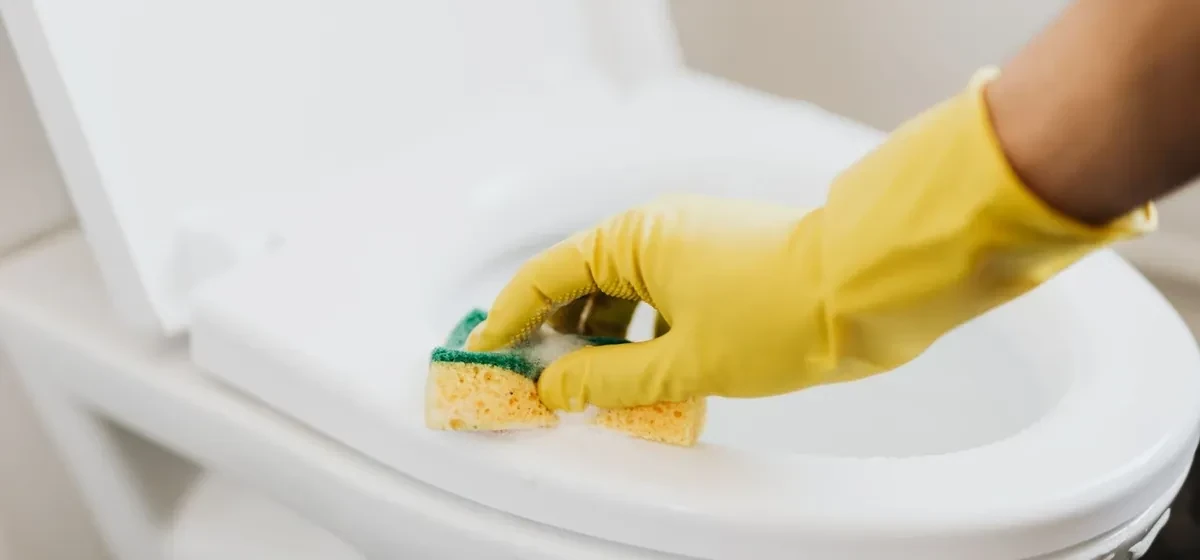
Toilet overflow cleanup in Lancaster, CA addresses one of the most common bathroom water damage events - and one homeowners frequently underestimate. A toilet overflow ranges from a brief nuisance wetting the bathroom floor to a sustained event sending contaminated water through flooring, into adjacent rooms, and into the subfloor of a two-story home. Most toilet overflows are Category 2 - gray water with biological contaminants causing illness through contact or ingestion. If fecal matter or sewage backup through the drain is involved, the classification elevates to Category 3 with full decontamination protocols. We provide toilet overflow cleanup across Lancaster with the contamination-appropriate response each situation requires.

Water deposits at the toilet base on the bathroom floor. In most Lancaster homes with tile or LVP bathroom flooring, the water appears contained. But the floor is not sealed - water migrates through grout lines, under baseboards, at flooring transitions to hallways, and most critically through the wax ring seal into the subfloor and slab below.
Wax ring failure compounds the damage. The wax ring sealing the toilet base to the drain flange degrades over time. A failed wax ring allows water to bypass the floor surface entirely, sending contaminated water directly into the subfloor. A toilet with a failing wax ring may have been leaking slowly for months - musty smell, soft flooring around the base, ceiling stains below an upstairs toilet - before a visible overflow reveals the full extent.
Two-story vertical damage. In 93536 Quartz Hill homes, a second-floor toilet overflow follows the same vertical path as any upstairs event - through the subfloor, along plumbing penetrations, into the first-floor ceiling cavity. The downstairs damage is often the larger restoration concern. → 93536 two-story details

Source control. Close the supply valve behind or beside the toilet. If the overflow is from a drain blockage, clear the drain before returning the toilet to service.
Category assessment. Category 2 (most overflows) requires antimicrobial treatment and careful material evaluation. Category 3 (sewage involvement) triggers full decontamination. → Sewage backup cleanup
Extraction and material evaluation. Standing water extracted. Flooring, baseboards, and adjacent materials assessed for moisture and contamination. Category 2 with limited duration on bathroom tile may be cleanable in place. Carpet or pad in adjacent areas contacted by overflow water is generally removed.
Drying and decontamination. Affected area dried with standard equipment. Antimicrobial treatment applied to all surfaces that contacted contaminated water. In two-story homes, the ceiling cavity below is inspected and dried from both access points. → Moisture mapping | → Structural drying

If the overflow lasted seconds to minutes, stayed on the bathroom floor surface without reaching baseboards or adjacent rooms, and was Category 2 (no fecal matter) - surface cleanup followed by antimicrobial floor treatment may be sufficient. If water reached the baseboard line, passed under the door, or the toilet has a compromised wax ring, a moisture check confirms whether concealed areas are dry.
Signs: a toilet that rocks or feels unstable, musty odor near the base, water stains on the ceiling below an upstairs toilet, soft or spongy flooring around the base, and visible moisture or discoloration where the toilet meets the floor.
Generally yes - as a sudden and accidental event. Category 2 overflows from a clog are typically covered. If the insurer determines the overflow was caused by a maintenance issue (a known drain problem not addressed), coverage disputes can arise. → Insurance details
If the overflow was caused by or accompanied by a wax ring failure, replacement is essential before the toilet is returned to service. Even if the ring was not the cause, an overflow event is a good opportunity to inspect the ring and replace it if it shows any signs of deterioration - preventing future concealed leaks.

Sewage backup cleanup in Lancaster, CA is the most health-critical type of water damage restoration.
Learn more
Antimicrobial treatment after water damage in Lancaster, CA is the decontamination step that makes a water-damaged area safe to rebuild in.
Learn more
Water extraction in Lancaster, CA is the single step that determines how much of your property can be saved and how much needs demolition.
Learn more
Water damage restoration in the 93534 area of Lancaster serves central Lancaster - the oldest and most densely built part of the city.
Learn moreThe phone assessment costs nothing and starts the clock in your favor: source guidance now, extraction and drying as fast as the job allows.