Mold Services - Lancaster CA

Mold Removal Lancaster CA

Mold removal in Lancaster, CA eliminates active mold growth through a controlled process of containment, material removal, surface treatment, and clearance verification. Professional mold removal is not spraying bleach on a wall. It follows the IICRC S520 Standard - containment to prevent cross-contamination, HEPA-filtered air scrubbing to capture airborne spores, removal of colonized porous materials, antimicrobial treatment of salvageable surfaces, and independent third-party clearance testing to verify success. Removing mold without fixing the moisture source guarantees regrowth. We address both - eliminating what is there and correcting why it grew.

  • Open 24 hours, 7 days
  • Lancaster + Antelope Valley
  • Process guided by IICRC S500
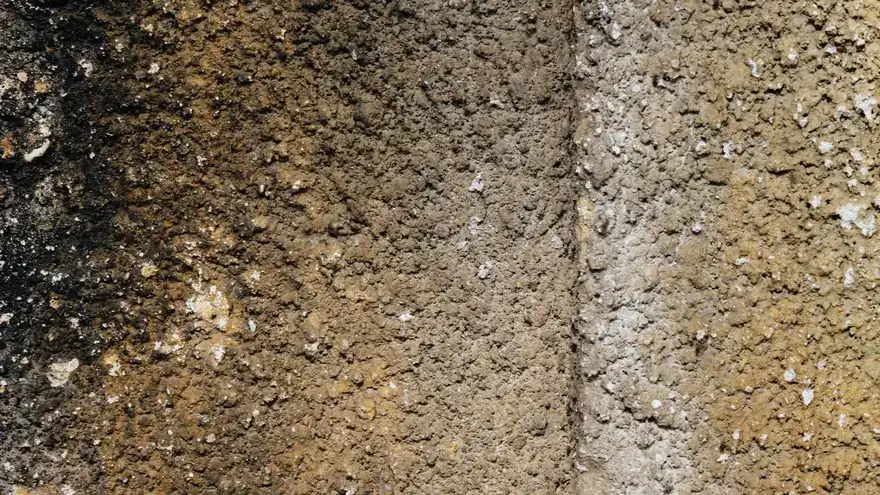
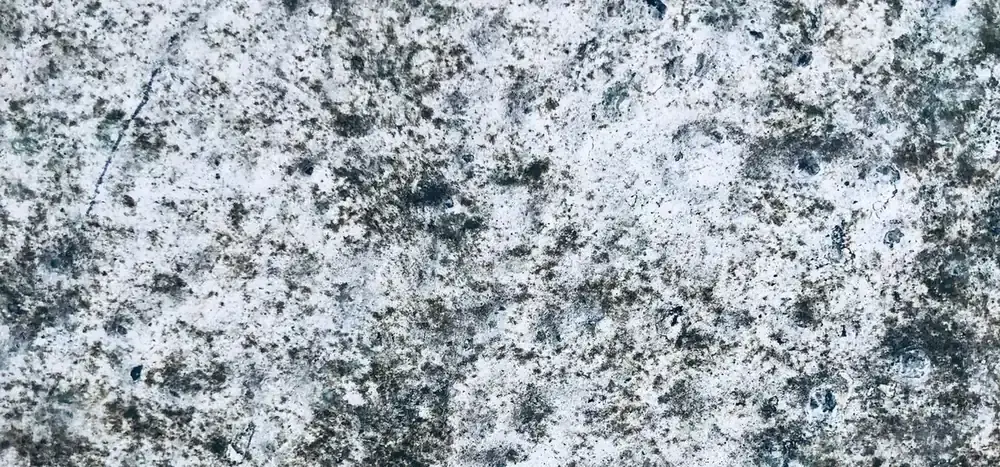
Close up of a rough moldy surface - mold removal in Lancaster CA
Lancaster CAOpen 24/7

The Mold Removal Process

Containment. Before any mold-affected material is disturbed, the area is isolated using polyethylene sheeting sealed at floor, ceiling, and walls to create a negative-pressure enclosure. A HEPA-filtered air scrubber maintains negative pressure, ensuring airborne spores released during removal are captured rather than migrating to unaffected areas. Containment is essential because disturbing mold releases spore concentrations far above background levels - without containment and negative pressure, these spores settle throughout the building, potentially seeding new growth.

Removal of colonized materials. Porous materials colonized by mold - drywall, carpet, pad, cellulose insulation, paper products - are removed and bagged within the containment zone. These materials cannot be cleaned to a condition where growth is fully eliminated. Paper facing on drywall, carpet fibers, and cellulose insulation all provide internal surfaces where mold hyphae penetrate and cannot be reached by surface cleaning.

Cleaning and treatment. Semi-porous materials like wood framing and concrete are evaluated individually. Surface mold on structurally sound framing can be removed through HEPA vacuuming, wire brushing, and antimicrobial treatment without replacing the structural member. If wood shows soft rot, structural degradation, or deeply embedded growth, replacement may be necessary. After colonized material removal, all remaining surfaces in the containment zone are HEPA vacuumed and treated with antimicrobial agents. In some cases, encapsulant coatings seal remaining spore material and prevent future colonization.

Air scrubbing. HEPA air scrubbers run throughout and after physical remediation, cycling air through filters capturing particles as small as 0.3 microns - well below most mold spore sizes. Scrubbing continues until airborne concentrations return to levels consistent with normal outdoor baseline.

Independent clearance testing. After remediation, an independent third-party inspector - not the remediation team - collects post-remediation air and surface samples submitted to an accredited laboratory. Clearance verifies that indoor spore concentrations have returned to or below outdoor baseline, that remediated surfaces show no active growth, and that the work met the standard specified. The independent party provides objectivity - the entity performing remediation should not be the one confirming its success.
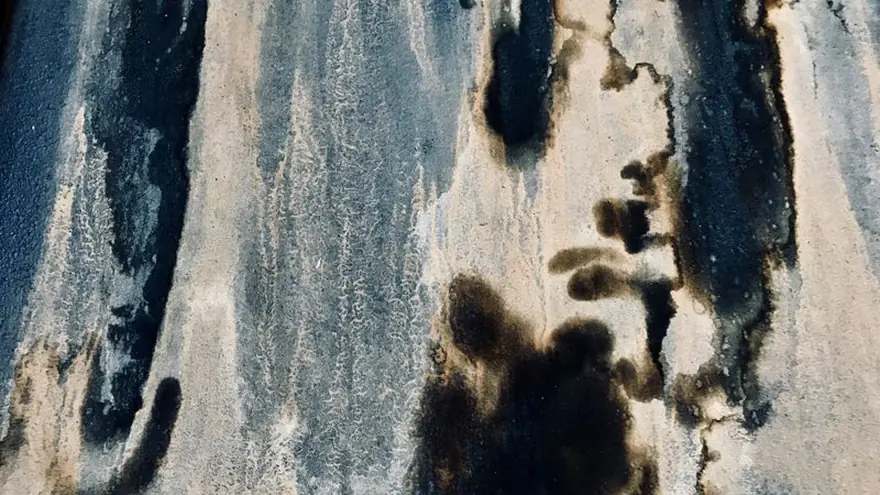
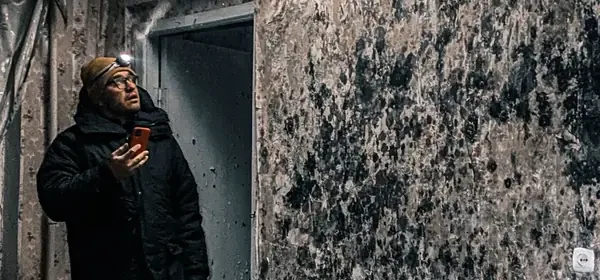
Black mildew stains spreading across a weathered surface in a Lancaster home
Mildew staining like this is what Lancaster mold removal crews treat first.

Common Mold Types Found in Lancaster Homes

Cladosporium. One of the most common indoor mold types found in Lancaster properties. Colonizes drywall, wood, and dust in areas of elevated moisture.

Aspergillus. Frequently identified in properties with water damage history. Multiple species exist - some produce mycotoxins that create health concerns. Often found on drywall and in HVAC systems.

Penicillium. Commonly found on water-damaged drywall, carpet, and insulation. Like Aspergillus, some species produce mycotoxins.

Stachybotrys. Often referenced as "black mold." Requires sustained moisture to colonize and is most commonly found on drywall paper facing that has remained wet for extended periods. Its growth is slower than other types, but its presence typically indicates a chronic moisture condition unaddressed for weeks or longer.

Species identification through lab analysis informs safety protocols and PPE requirements during remediation and helps property owners understand health considerations. → Mold inspection identifies species

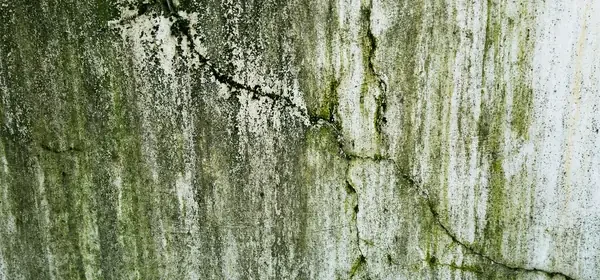
Textured worn wall with cracks and staining in a Lancaster CA home
Cracked, stained wall texture documented before Lancaster mold removal.

Frequently Asked Questions

How long does mold removal take?

Duration depends on scope - affected area size, number of rooms, material types requiring removal, and whether the moisture source has been corrected. A contained single-wall remediation in one room may be completed in one to two days. A multi-room project with extensive material removal and multiple containment zones may take a week or more.

Is mold removal covered by insurance?

Mold coverage varies by policy. Some California homeowners policies include limited mold coverage - often capped at a specific dollar amount - when mold results from a covered water damage event such as a burst pipe. Mold from maintenance issues, long-term leaks, or humidity conditions is generally not covered. Review your policy for mold coverage details and limits.

Can I stay in the home during mold removal?

For small-scope remediation in a single contained area, occupancy in the rest of the home is usually feasible. For larger projects affecting multiple areas or involving significant airborne spore disturbance, temporary relocation is recommended - particularly for household members with respiratory sensitivities, allergies, or immune system concerns.

What prevents mold from coming back after removal?

Addressing the moisture source is the single most important factor. If the water damage has been fully dried, the leaking pipe repaired, the ventilation deficiency corrected - the environment no longer supports growth. Without moisture, mold cannot colonize regardless of how many spores are in the air. → Structural drying | → Moisture mapping

Who performs clearance testing - your team or an independent party?

Always independent. The entity performing remediation should not be the entity confirming its success. Independent clearance testing by a separate inspector with accredited lab analysis provides objectivity and protects the property owner. We coordinate this step but do not perform it ourselves.

Related Services in Lancaster CA

Open 24/7 in Lancaster CA

Water damage in Lancaster? Start with one call.

The phone assessment costs nothing and starts the clock in your favor: source guidance now, extraction and drying as fast as the job allows.

(661) 338-1428

Request a callback

Prefer to talk now? Call (661) 338-1428. This form is available 24/7.