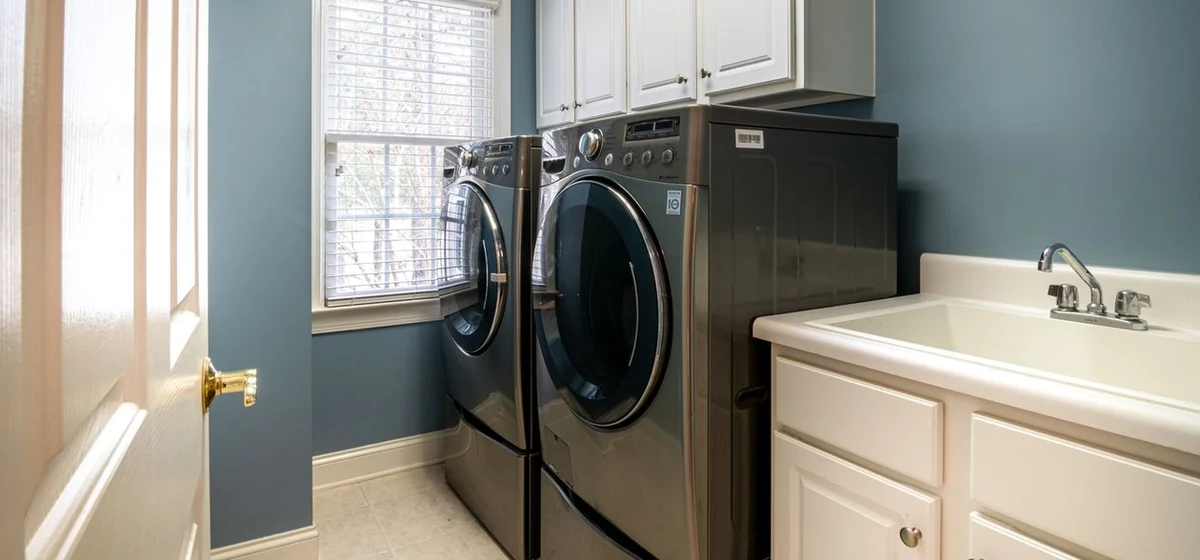
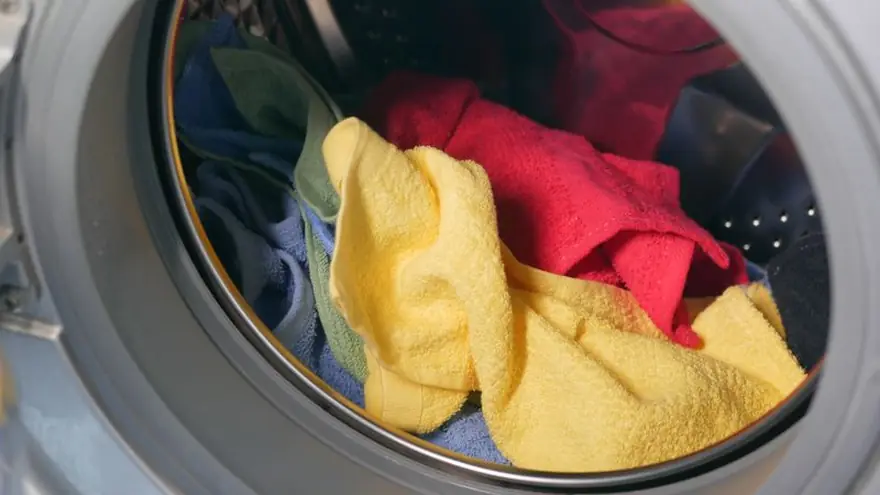
Washing machine flood cleanup in Lancaster, CA responds to one of the most common causes of catastrophic residential water damage - a supply hose or connection failure releasing pressurized water directly onto the laundry area floor. A burst supply hose delivers water at full municipal pressure for as long as supply valves remain open. In a Lancaster home where residents are at work, a mid-day burst can run 6-10 hours, releasing thousands of gallons before anyone discovers it. The washing machine ranks among the top three appliance-related water damage sources nationwide. Lancaster's demographic - many dual-income households with properties empty during working hours - amplifies the risk because failures run longer before detection. We respond to washing machine floods across Lancaster with urgency matching the severity.

Pressure and volume. A burst supply hose releases water under full municipal pressure. A standard supply connection at 40-60 PSI delivers 400+ gallons per hour. A 6-hour undetected run releases over 2,400 gallons - enough to flood every room in a single-story Lancaster home.
Location amplifies damage. In many Lancaster homes, the laundry is in the garage or a small utility room. Water from a garage laundry flows across the garage floor, pools against the shared wall, and eventually enters the house. In homes with interior laundry - a dedicated room, hallway closet, or upstairs laundry in a two-story home - water contacts finished flooring immediately. → 93535 garage damage path | → 93536 upstairs laundry
Unattended operation. Washing machines run unattended more than almost any other appliance. A hose failure during a cycle - when valves are open - releases pressurized water for the entire duration the household is away. This is why washing machine floods are disproportionately large.

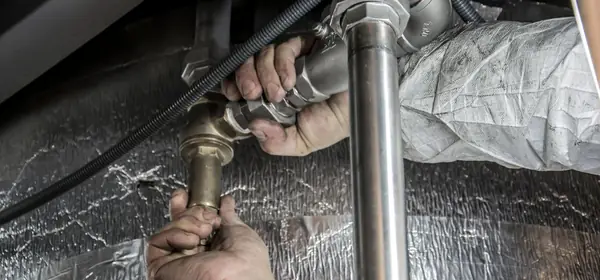
Rubber supply hoses. Deteriorate from the inside, weakening at the reinforcement layer and crimp fittings. Deterioration is invisible from outside - the hose looks fine until it bursts. Average safe lifespan is 3-5 years, though many remain in service for a decade or more.
Supply valve failures. Shutoff valves behind the machine can develop stem leaks (a slow drip behind the machine) or fail to close when a hose bursts, eliminating the ability to stop the flow without closing the main supply.
Drain line backups. A blocked drain line or standpipe causes discharge to overflow onto the floor. Produces Category 2 water - discharge contains detergent, fabric fibers, and biological matter from clothing.

Replace rubber hoses with braided stainless steel. The single most effective prevention step. Braided stainless resists bursting and lasts far longer. Cost: roughly $15-$30 per pair. Minutes to install. Negligible cost compared to a single flood event.
Turn off supply valves when not in use. Closing hot and cold valves when the machine is idle eliminates pressurized water from the hoses. Removes burst risk when the machine is not running.
Install a leak detector. A moisture sensor on the floor behind the machine provides immediate alert when water appears. Smart detectors send phone notifications. Some integrate with automatic shutoff valves.
Avoid running while away. If your supply hoses are rubber and have not been replaced recently, avoid running cycles while the house is unoccupied. A failure during an attended cycle allows immediate valve closure - limiting water to gallons, not thousands.
A 6-hour unattended burst can release over 2,400 gallons - enough to saturate multiple rooms of flooring, wick drywall up to the first stud height, and migrate through the entire ground floor. These are among the largest-scope residential water damage events we respond to. → Extraction process
Yes. Braided stainless steel hoses resist bursting under pressure and have a significantly longer service life than rubber. The cost difference ($15-$30 vs the thousands a flood costs) makes this the highest-ROI home maintenance step available.
Generally yes - a supply hose burst is a sudden and accidental event covered by standard homeowners policies. The damage to structure and contents is covered. If the insurer determines the hose was visibly deteriorated and not replaced, a maintenance argument could arise, though this is uncommon. → Insurance guide
Different cause, different category. A drain backup produces Category 2 water (contaminated with detergent, fibers, biological matter from clothing) requiring antimicrobial treatment. A supply hose burst is typically Category 1 (clean water). The cleanup protocol differs based on the category.

Supply line failure water damage in Lancaster, CA covers the full range of supply line problems beyond burst pipes - the slow leaks, the corroded fittings, the compression connections that loosen over time, and the braided hose failures that are the most common plumbing-related water damage source in homes across the Antelope Valley.
Learn more
Water extraction in Lancaster, CA is the single step that determines how much of your property can be saved and how much needs demolition.
Learn more
Residential water damage restoration in Lancaster, CA addresses how water damages the home you live in - rooms with furniture, personal belongings, and materials that respond differently based on when your home was built and what it is made of.
Learn more
Water damage restoration in the 93535 area covers East Lancaster - established 1980s-1990s neighborhoods and newer construction stretching toward the eastern Antelope Valley.
Learn moreThe phone assessment costs nothing and starts the clock in your favor: source guidance now, extraction and drying as fast as the job allows.