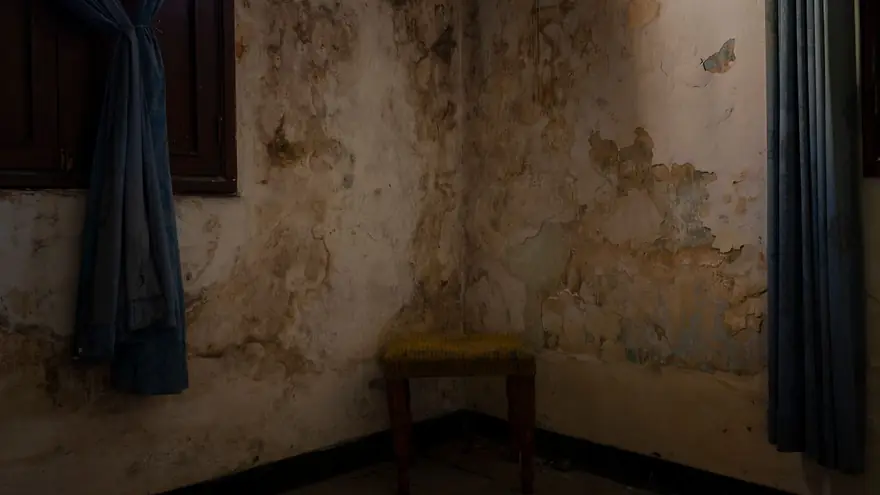
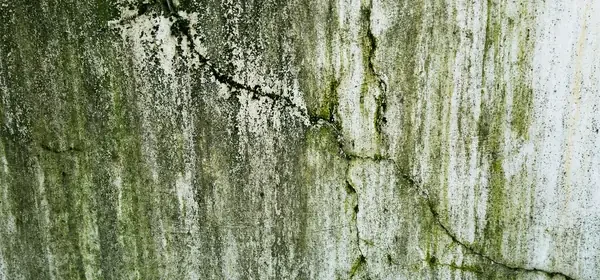
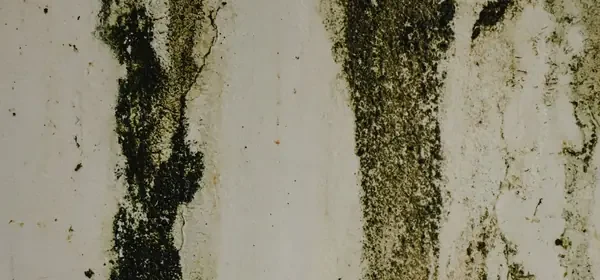
Black mold removal in Lancaster addresses dark-colored mold growth - the type homeowners fear most, often Stachybotrys - which grows on chronically wet, cellulose-rich materials like drywall. The correct response is not panic and not paint: it is containment, removal of the colonized material, and correction of the long-running moisture source that fed it.

Black mold is a description, not a species. Several common molds appear dark, and the one that built the reputation - Stachybotrys chartarum - is a slow-growing mold that needs sustained moisture and cellulose food: wet drywall paper is its ideal home. It is associated with mycotoxin production and is treated seriously in remediation practice. It is also frequently misidentified by color alone, because harmless dark molds and dangerous ones look alike to the eye - identification, when it matters, is a laboratory task.
What matters most for the homeowner is what its presence announces: Stachybotrys does not grow on a one-day leak. It requires weeks of sustained wetness, which means black mold is a message that a moisture problem has been running a long time - a slow slab leak, a hidden supply spray, a roof leak wetting the same ceiling every storm. The removal addresses the growth; the investigation addresses the message.

Because its precondition is chronic moisture, black mold removal always begins with a source investigation, and the scope includes the margin the inspection defines around visible growth - inside an assembly, growth regularly extends beyond the visible patch on the room side.
Every job follows the IICRC S500 framework, sequenced for this kind of loss:
Moisture mapping and inspection establish what has been leaking, for how long, and how far growth has spread inside the assembly - the scope is set from this evidence.
The zone is sealed and held under HEPA-filtered negative air, the standard protection when disturbing growth that occupants are concerned about.
Affected drywall, insulation and other porous materials are removed under containment and bagged out through the controlled path.
Exposed framing and hard surfaces are HEPA vacuumed, cleaned and treated, and the cavity is inspected before it closes.
The assembly is corrected for moisture, dried to standard and verified. Only then is the area released for new drywall and finishes.
A water loss is documented from the first phone call to the final reading: photographs of the source and the affected areas, moisture readings and a map of where the water traveled, equipment placement records, and daily drying logs showing each material moving toward its goal. That file is the memory of the job, built while the facts are fresh.
The documentation does double duty. It guides the work itself, because drying decisions are made from readings rather than impressions. And it becomes the claim record: the scope of loss, the evidence of a sudden event, and the verification that the structure reached dry standard before repairs began. Homeowners receive the complete file when the job closes.
Water damage restoration costs in Lancaster generally fall in the range of roughly $1,200 to $7,000 or more, depending on the scope of the loss. Small, contained leaks involving a single room with Category 1 water tend to land on the lower end. Multi-room losses, Category 2 or 3 water, extensive material removal and longer drying timelines push costs higher. The variables that most affect final cost are the square footage of the affected area, the water category and class, how long materials stayed wet before mitigation began, the types of building materials involved, and whether contents cleaning or pack-out is needed. Most homeowners insurance policies cover sudden and accidental water damage, and the documentation produced during the job is what supports that claim.
Black mold work is priced by the contained scope the inspection defines. A single bathroom assembly and a multi-wall slab leak case differ greatly, and honest scoping before work - including what the inside of the wall likely holds - is the standard here.

Most Lancaster losses are preventable or shrinkable with unglamorous habits: knowing where the main shutoff is and testing it, replacing washing machine and supply hoses on a schedule rather than after failure, insulating exposed lines before the November freeze season, and looking under every sink and behind the water heater a few times a year.
The second habit is speed. Water damage cost is a function of hours: extraction inside the first day keeps materials saveable and water in its original category. A household that knows its shutoffs and calls early has done more for its restoration bill than any negotiation later can.
For the same reason all Lancaster mold appears: not from the climate, but from plumbing inside a sealed assembly. Stachybotrys in the Antelope Valley is nearly always the end of a hidden story - the 93534 slab leak that raised a wall base for a season, the HVAC condensate that wet a ceiling all summer, the heater drip nobody saw behind stored boxes. The desert outside the wall is irrelevant to the climate inside it.
The encouraging side: because the source is a discrete, findable failure, fixing it ends the conditions completely. A corrected and dried assembly in Lancaster does not stay borderline damp the way it might in a humid region.
Homeowners comparing areas can read about water damage restoration lancaster ca 93534 for the local picture. For background before you need it, our guide on water damage restoration cost lancaster ca: what to expect covers the topic in depth.
Stachybotrys is treated as a mold of concern in professional practice because of its association with mycotoxins and respiratory irritation, and individual sensitivity varies widely. The prudent response is the same regardless of species: do not disturb it, keep the area closed off, and have it removed under containment. Health questions beyond that belong with your physician.
No. Color is not identification - multiple molds are dark, and Stachybotrys colonies vary in appearance. If the species matters for a health or legal reason, laboratory testing of a sample provides the identification. For the removal decision, the genus changes little: colonized material is removed either way.
Because its requirement is duration, not volume. A drip that wets drywall a little every day for two months grows Stachybotrys more reliably than a dramatic one-day flood that was dried promptly. Almost every local case traces to a slow, hidden source, which the investigation is designed to find.
That is exactly what containment and negative air prevent: the work zone is sealed, air pressure keeps flow moving into the zone, and exhaust is HEPA filtered. Disturbing growth without containment - a homeowner tearing out a wall - is the risky scenario, and the one to avoid.
Mold coverage is commonly limited by a cap or tied to a covered sudden water event. Where the growth traces to a sudden and accidental loss, documentation of that chain is the basis of the claim. Gradual leaks are harder, which is another reason the source investigation is documented in detail.

Mold removal in Lancaster, CA eliminates active mold growth through a controlled process of containment, material removal, surface treatment, and clearance verification.
Learn more
Remediation that connects the water loss to the mold correction: source, containment, removal, cleaning and drying.
Learn more
Air and surface mold sampling in Lancaster with lab analysis, used where documentation or identification matters.
Learn more
Water damage restoration in the 93534 area of Lancaster serves central Lancaster - the oldest and most densely built part of the city.
Learn moreThe phone assessment costs nothing and starts the clock in your favor: source guidance now, extraction and drying as fast as the job allows. Dark mold growth in Lancaster removed under containment, with the chronic moisture source identified and fixed.