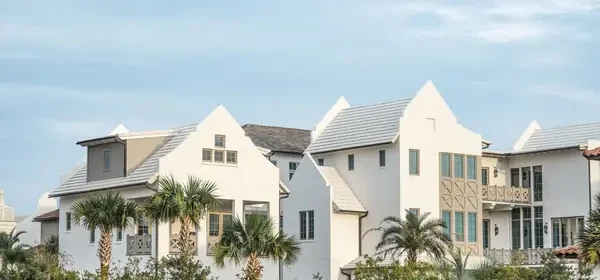
Residential water damage restoration in Lancaster, CA addresses how water damages the home you live in - rooms with furniture, personal belongings, and materials that respond differently based on when your home was built and what it is made of. A 1960s home in central Lancaster with copper plumbing and original drywall needs a different restoration approach than a 2020s Quartz Hill home with PEX lines and engineered hardwood. We restore Lancaster homes across every construction era, every flooring type, and every water damage scenario residential properties face. Your home gets a restoration plan built for your home.

Water damage in residential properties follows predictable patterns based on where plumbing, appliances, and vulnerabilities are concentrated.
Kitchen. The kitchen packs more water connections into a smaller area than any other room. Under the sink, hot and cold supply lines serve the faucet while a separate line feeds the dishwasher. The refrigerator ice maker draws from a small-diameter line - often a quarter-inch copper or braided steel - running from the nearest cold water connection behind the wall. Kitchen water damage commonly starts under the sink, concealed by the cabinet base and cleaning supplies. Water wicks into the particle board cabinet floor, migrates along the baseboard-to-slab junction, and reaches adjacent rooms before any visible sign appears in the kitchen itself.
Bathroom. Bathrooms contain the highest concentration of active plumbing in any home - toilet supply and wax ring seal, sink supply lines, tub or shower supply lines, and drains at every fixture. Toilet overflow is the most common bathroom source, typically Category 2 if urine is present. Wax ring failures send drain-side water onto the floor around the toilet base, often hidden initially by the toilet itself. In two-story homes, an upstairs bathroom event cascades through the floor system into the ceiling and walls below. → 93536 Quartz Hill two-story restoration
Laundry room. Washing machine supply hoses are one of the most frequent causes of catastrophic residential water damage. Standard rubber hoses deteriorate from the inside, weakening at crimp fittings. When a hose bursts while the machine is running and valves are open, full municipal pressure flows onto the floor. In many Lancaster homes, the laundry area is in the garage - water flows across the garage floor, under the house door, and into hallways, bedrooms, and living areas.
Garage and utility areas. Lancaster garages commonly house water heaters, laundry connections, and sometimes water softeners. These are out of sight during daily routines, meaning failures can run for extended periods before detection. The garage is also the primary entry point for flash flood water during storm events - garage door seals provide minimal resistance to rising water.
Carpet and pad. Carpet face fiber resists water, but the pad underneath is essentially a sponge. Category 1 water can often be addressed by extracting from the face, pulling back carpet, removing saturated pad, cleaning the slab, drying the cavity, and reinstalling carpet on new pad. Category 2 and 3 water generally require removing both.
LVP and laminate. These are marketed as waterproof - which is accurate for the surface. But water that reaches seams, transitions, or edges migrates underneath and becomes trapped between the flooring and the concrete slab. The flooring acts as a vapor barrier. Professional drying requires perimeter airflow or partial plank removal for direct slab access.
Tile and stone. The tile surface resists water, but grout lines are porous and allow moisture to reach the substrate below. Drying without removal is possible using subsurface drying mats or injectidry systems. Category 2 or 3 exposure may require partial or full tile removal for decontamination.
Engineered hardwood. Common in newer and higher-end Lancaster homes. Water causes cupping, crowning, or delamination. Mild cupping from short-duration Category 1 exposure can sometimes be reversed with careful drying and weighted pressure. Significant deformation or contaminated water typically requires replacement. → Structural drying process

Most California homeowners policies - including the standard HO-3 form - cover sudden and accidental water damage: burst pipes, appliance failures, water heater blowouts, accidental fixture overflow.
Standard exclusions typically include gradual or long-term leaks discoverable through reasonable maintenance, damage from deferred maintenance, and flood damage from exterior water sources. Flood damage requires a separate policy through the NFIP or a private flood insurer.
The claims process benefits from thorough documentation: initial damage photographs, moisture readings documenting migration extent, scope-of-loss detail, daily drying logs, equipment records, and a final report documenting what was removed and what remains for rebuild. We organize this documentation to align with what adjusters need to process efficiently. Clear documentation directly affects how quickly and accurately the claim is funded.
Replace rubber washing machine supply hoses with braided stainless steel lines. This is the highest-impact, lowest-cost prevention step for any Lancaster home.
Inspect and replace the water heater before end-of-life - roughly 8-10 years in Lancaster's hard water environment. Proactive replacement costs a fraction of emergency restoration after a tank failure.
Insulate supply lines in the garage and exterior walls before freeze season. Foam pipe insulation on vulnerable lines prevents the freeze-related bursts that are common November through February.
Test shutoff valves annually to confirm they close fully. A valve that has not been operated in years may not close when you need it.
Check under sinks periodically for evidence of slow leaks at supply connections and drain fittings. A slow drip today becomes a restoration project next month.
Drying typically takes three to five days depending on the class of damage and materials involved. A contained kitchen leak may be complete within a week from start to finish. A multi-room loss with extensive material removal and flooring replacement may require two to three weeks through the start of the rebuild phase.
In many cases, yes. If the affected area can be contained and isolated, you can use unaffected rooms. Equipment generates noise (roughly equivalent to a box fan) and warmth from the dehumidification cycle. For larger losses or Category 3 events, temporary relocation may be more practical. Loss-of-use coverage in your policy may cover temporary housing costs.
Renters in Lancaster who experience water damage have the right to habitable conditions under California tenant protection law. Visible drying does not mean the structure is dry - moisture trapped behind walls and under flooring continues to cause damage and create mold risk. A professional moisture assessment can determine whether concealed moisture remains. → Moisture mapping and detection
Focus on the plumbing age - homes in central Lancaster with original 1950s-1970s copper or galvanized plumbing carry the highest failure risk. Check under every sink for slow leaks, test all shutoff valves, confirm the water heater age, and replace any rubber supply hoses. → Central Lancaster 93534 details

Water extraction in Lancaster, CA is the single step that determines how much of your property can be saved and how much needs demolition.
Learn more
Structural drying in Lancaster, CA is applied science - not opening windows and hoping desert air does the work.
Learn more
Burst pipe water damage restoration in Lancaster, CA addresses the most common and most destructive water damage source in the Antelope Valley.
Learn more
Water damage restoration in the 93536 area serves West Lancaster and the Quartz Hill community - Lancaster's concentration of larger, higher-end, two-story homes.
Learn moreThe phone assessment costs nothing and starts the clock in your favor: source guidance now, extraction and drying as fast as the job allows.