Antimicrobial treatment after water damage in Lancaster, CA is the decontamination step that makes a water-damaged area safe to rebuild in. When water carries biological contaminants - bacteria, fungi, or other microorganisms - the surfaces it contacted cannot simply be dried and covered up. They must be treated with antimicrobial agents that eliminate the biological hazard before new materials are installed. Antimicrobial treatment is required for every Category 2 and Category 3 water damage event and is recommended for any Category 1 event where materials were wet beyond 48 hours, allowing bacterial amplification to begin.

Category 2 water events. Washing machine discharge, dishwasher overflow, toilet overflow with urine - gray water that carries biological and chemical contaminants requiring surface treatment after drying. → Toilet overflow cleanup | → Washing machine cleanup
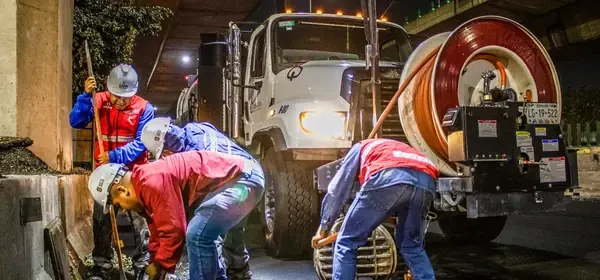
Category 3 water events. Sewage backups and flood water require the most aggressive antimicrobial treatment - multiple application passes on all remaining surfaces after contaminated porous materials have been removed. → Sewage cleanup | → Storm/flood restoration
Category 1 events with delayed response. Clean water that has been in contact with building materials for more than 48 hours begins degrading toward Category 2 as bacteria multiply. Antimicrobial treatment addresses the biological contamination that developed during the delay.
Post-mold-remediation. After mold-affected materials are removed, remaining surfaces receive antimicrobial treatment to eliminate residual spores and prevent recolonization. → Mold removal

Surface preparation. Contaminated porous materials (drywall, carpet, pad, insulation) are removed first. You cannot treat what needs to be discarded. Antimicrobial treatment targets the surfaces that remain - concrete slab, wood framing, bottom plates, and any non-porous or semi-porous materials staying in place.
HEPA vacuuming. Before liquid application, remaining surfaces are HEPA-vacuumed to remove settled particulates, dust, and loose biological material. This step ensures the antimicrobial agent contacts the surface directly rather than sitting on top of debris.
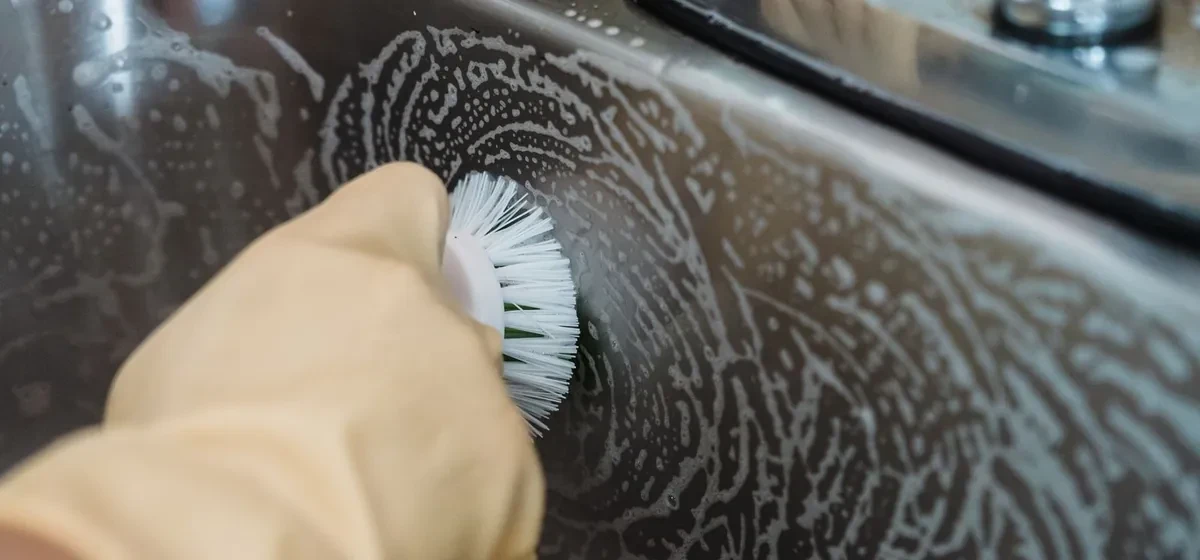
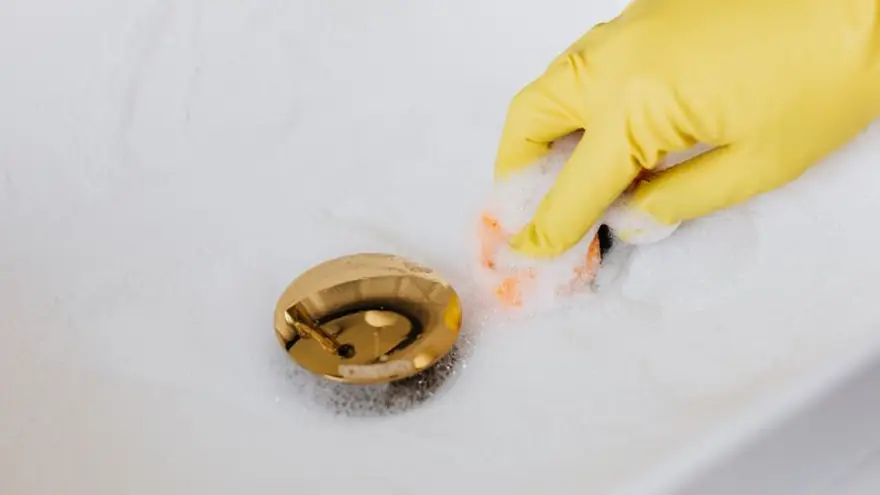
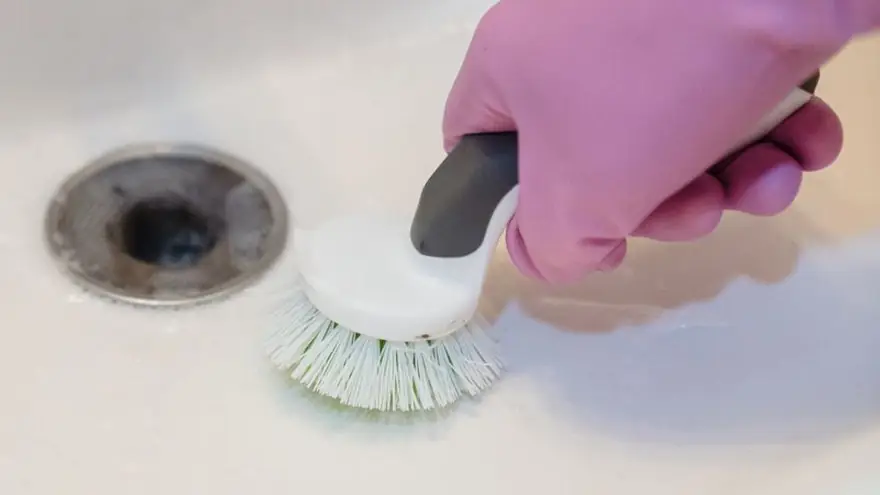
Antimicrobial application. EPA-registered antimicrobial agents are applied to all surfaces that contacted contaminated water. The specific product is selected based on the contaminants present and the surface materials being treated. Application covers the full area - not just visible contamination zones - because bacterial migration follows moisture migration.
Encapsulant application (when warranted). In some cases, after antimicrobial treatment, an encapsulant coating is applied to framing and substructure surfaces. The encapsulant seals any remaining biological material and creates a barrier against future colonization.

No. Household bleach is not an appropriate antimicrobial agent for water damage restoration. Professional antimicrobial products are EPA-registered for specific biological targets, formulated for use on building materials, and designed to provide residual protection. Bleach can damage materials, produces harmful fumes in enclosed spaces, and does not provide lasting antimicrobial protection.
If Category 1 water was extracted and drying began within 48 hours, antimicrobial treatment is generally not required. If the clean water was present longer than 48 hours, bacterial amplification may have occurred, and antimicrobial treatment is recommended as a precaution.
Consumer antimicrobial products are available, but they do not match the efficacy of professional-grade EPA-registered agents. For Category 2 and 3 events, professional application with proper PPE is required for safety and effectiveness.

Sewage backup cleanup in Lancaster, CA is the most health-critical type of water damage restoration.
Learn more
Odor removal after water damage in Lancaster, CA addresses the persistent smells that remain after water has been extracted, materials have been dried, and visible damage has been repaired.
Learn more
Remediation that connects the water loss to the mold correction: source, containment, removal, cleaning and drying.
Learn more
Water damage restoration in the 93534 area of Lancaster serves central Lancaster - the oldest and most densely built part of the city.
Learn moreThe phone assessment costs nothing and starts the clock in your favor: source guidance now, extraction and drying as fast as the job allows.