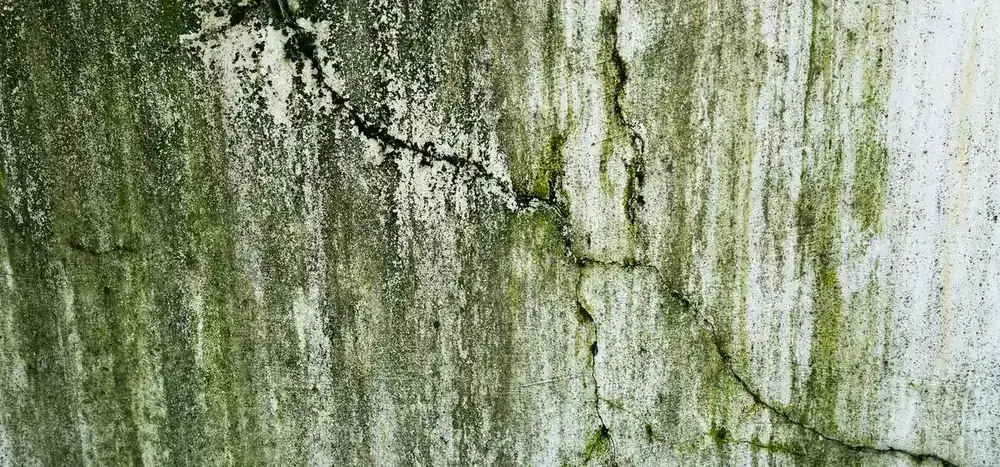
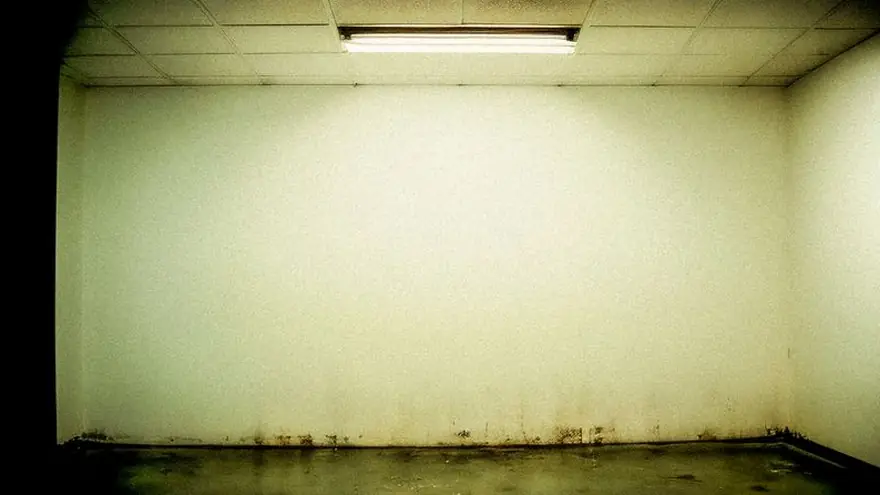
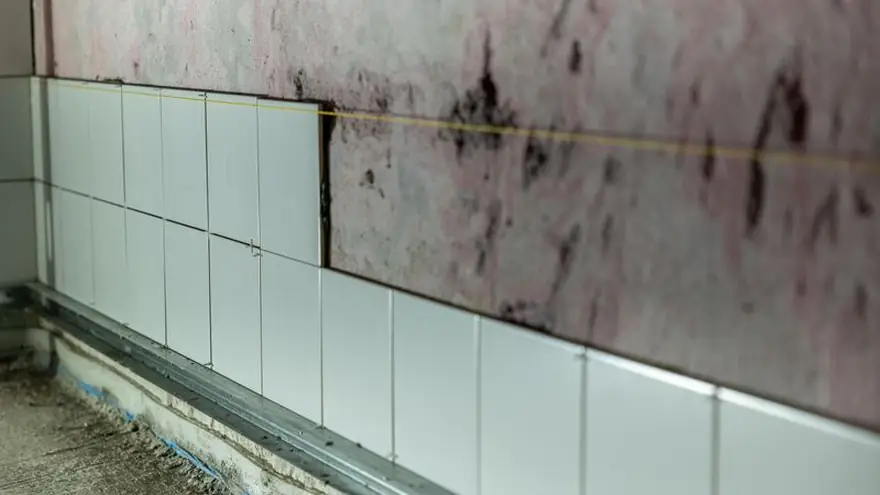
Mold remediation after water damage in Lancaster is the full corrective process for growth that started with a water event: it combines the water side (source correction and drying) with the mold side (containment, removal and cleaning under the IICRC S520 standard) so the building ends both dry and clean, not one or the other.

Most mold in Lancaster homes began as water: a slab leak that fed a wall base for months, a supply line that sprayed a cabinet, a flood that was extracted but never fully dried. Remediation that ignores the water history will miss the source and the full extent, because the growth map and the moisture map are the same map. Conversely, drying a building with established growth, without containment and removal, can distribute spores through the air system while the equipment runs.
The S520 framework is the mold counterpart to S500's water standard, and the remediation scope here is written from both: the moisture investigation defines where growth can be, the inspection confirms where it is, containment and removal address it, and verified drying closes the water side of the story permanently.

Timing decides most of it. A loss extracted and dried inside the first two days rarely needs remediation at all - which is the strongest argument for fast mitigation. Remediation is the bill that arrives when the first response was slow, incomplete or skipped, and part of the remediation conversation is making sure the next loss is handled in the first window instead.
Every job follows the IICRC S500 framework, sequenced for this kind of loss:
The water footprint and the growth footprint are mapped together, establishing the full scope and the source that connects them.
Work zones are isolated with physical barriers and negative air pressure with HEPA filtration, sized to the affected areas and the building layout.
The plumbing, drainage or building issue feeding moisture is corrected, and the assembly is opened where needed to reach colonized material.
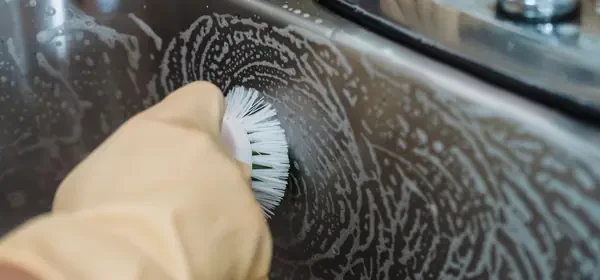
Colonized porous materials are removed under containment; structural and hard surfaces are HEPA vacuumed, cleaned and treated following S520 methods.
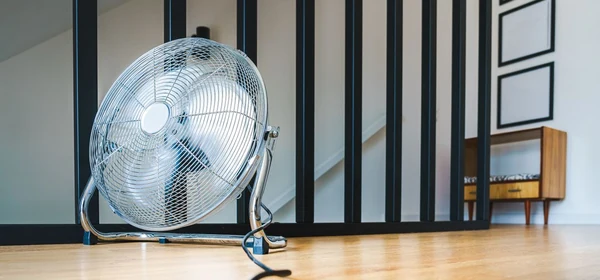
The assembly is dried to standard, the zone passes a visual and moisture clearance check, and containment is removed with the area ready for rebuild.
Most Lancaster losses are preventable or shrinkable with unglamorous habits: knowing where the main shutoff is and testing it, replacing washing machine and supply hoses on a schedule rather than after failure, insulating exposed lines before the November freeze season, and looking under every sink and behind the water heater a few times a year.
The second habit is speed. Water damage cost is a function of hours: extraction inside the first day keeps materials saveable and water in its original category. A household that knows its shutoffs and calls early has done more for its restoration bill than any negotiation later can.
Water damage restoration costs in Lancaster generally fall in the range of roughly $1,200 to $7,000 or more, depending on the scope of the loss. Small, contained leaks involving a single room with Category 1 water tend to land on the lower end. Multi-room losses, Category 2 or 3 water, extensive material removal and longer drying timelines push costs higher. The variables that most affect final cost are the square footage of the affected area, the water category and class, how long materials stayed wet before mitigation began, the types of building materials involved, and whether contents cleaning or pack-out is needed. Most homeowners insurance policies cover sudden and accidental water damage, and the documentation produced during the job is what supports that claim.
Because remediation follows a defined findings map, the scope and price are set before work begins. Small single-assembly remediations and multi-room projects sit at very different points, and the inspection is what tells you which one you have.

A water loss is documented from the first phone call to the final reading: photographs of the source and the affected areas, moisture readings and a map of where the water traveled, equipment placement records, and daily drying logs showing each material moving toward its goal. That file is the memory of the job, built while the facts are fresh.
The documentation does double duty. It guides the work itself, because drying decisions are made from readings rather than impressions. And it becomes the claim record: the scope of loss, the evidence of a sudden event, and the verification that the structure reached dry standard before repairs began. Homeowners receive the complete file when the job closes.
Remediation is scoped from findings, not from fear. The inspection defines the affected assemblies and the square footage of each; containment, removal, cleaning and drying are priced against that map. A Lancaster remediation is usually concentrated - one wall system, one bathroom, one cabinet run - because local growth starts from a single water source rather than a humid climate wetting the whole house.
Insurance treatment varies: mold is commonly a limited or excluded category in homeowners policies, with coverage often tied to whether the mold resulted from a covered water event. The documentation file is built to show that causal chain clearly - water event, timeline, growth - because that chain is what the coverage conversation turns on.
Homeowners comparing areas can read about water damage restoration lancaster ca 93534 for the local picture. For background before you need it, our guide on how long does water damage restoration take in lancaster ca? covers the topic in depth.
Removal describes taking out colonized material. Remediation is the complete process around it: assessment, containment, source correction, removal, cleaning, drying and verification. Removal is one step of remediation, and on its own it does not guarantee the problem stays solved.
Growth can begin within 48 to 72 hours of wetting. If a loss was dried properly inside that window and verified, remediation is usually unnecessary. If growth is established - visible, or documented by testing - remediation is scoped from the findings regardless of how long ago the water event was.
Containment and negative air are specifically designed to separate the work zone from the occupied home. For larger scopes, occupants may be advised to be out during active removal hours - the scope discussion covers this plainly before work starts.
Not from the same source, if the source was corrected and the assembly verified dry - mold needs moisture, and a dry assembly in the Antelope Valley stays dry. New growth requires a new water event, which is a plumbing or building problem, not a remediation failure.
Often with limits. Many policies cap mold coverage or tie it to a covered water loss. The documentation connecting the mold to a specific sudden water event is the strongest support for whatever coverage your policy provides.

Mold removal in Lancaster, CA eliminates active mold growth through a controlled process of containment, material removal, surface treatment, and clearance verification.
Learn more
Antimicrobial treatment after water damage in Lancaster, CA is the decontamination step that makes a water-damaged area safe to rebuild in.
Learn more
Structural drying in Lancaster, CA is applied science - not opening windows and hoping desert air does the work.
Learn more
Water damage restoration in the 93534 area of Lancaster serves central Lancaster - the oldest and most densely built part of the city.
Learn moreThe phone assessment costs nothing and starts the clock in your favor: source guidance now, extraction and drying as fast as the job allows. Remediation that connects the water loss to the mold correction: source, containment, removal, cleaning and drying.