Water damage restoration serving the 93539 area of Lancaster, CA is part of our complete coverage of every property in the city. The 93539 postal designation overlaps with the broader Lancaster community - your property receives the same Lancaster-specific restoration expertise regardless of which zip code the postal service assigns to your address. The challenges of restoring a water-damaged property in this city do not change based on the postal designation. They change based on your home's age, plumbing system, construction type, and what happened.

Every Lancaster restoration is shaped by factors specific to your property, not your address:
Your home's construction era. A 1960s home in central Lancaster with copper plumbing and plaster walls needs different restoration than a 2010s home with PEX lines and LVP flooring. The materials respond differently to water, absorb at different rates, and require different drying strategies. → 93534 older homes | → 93536 newer homes
Your plumbing system. Copper, galvanized, polybutylene, PEX - each material has different failure modes and different risk profiles. Homes with original copper from the 1950s-1970s face slab leak and joint failure risks. Homes with polybutylene from the 1970s-1980s face chlorine degradation. Newer PEX systems face connection and fitting failures. → Burst pipe restoration
The water source. Clean supply line water (Category 1) is handled differently than washing machine discharge (Category 2) or sewage backup (Category 3). The source determines safety protocols, material removal scope, and total cost. → Sewage cleanup | → Water heater cleanup
How long the water was present. A leak caught in two hours affects a fundamentally different scope than the same leak running for two days. Duration drives absorption depth, migration distance, category degradation, and total restoration cost. → Why extraction speed matters

Emergency 24/7 response for active water situations - standing water, ongoing leaks, contaminated water. → Emergency response
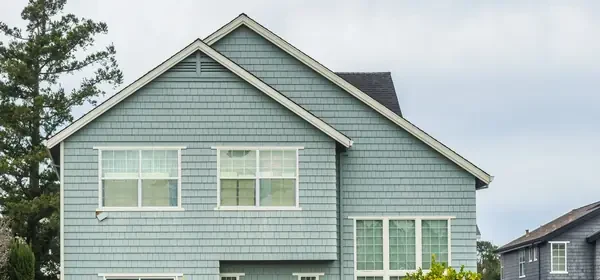
Residential restoration for single-family homes, condos, and townhomes across every construction era. → Residential details
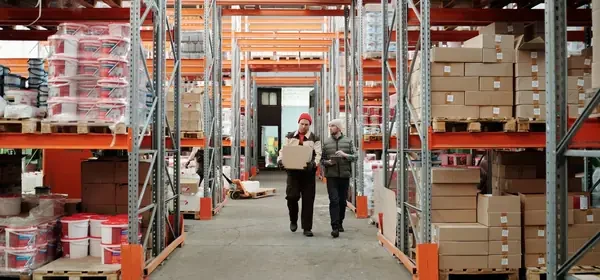
Commercial restoration for offices, retail, restaurants, medical facilities, and warehouses. → Commercial details
Complete service chain: extraction → moisture mapping → structural drying → material removal → documentation → reconstruction coordination.

Each service below is delivered in this neighborhood at the full Lancaster standard, with moisture-verified drying and insurance-ready documentation.

Emergency water damage restoration in Lancaster, CA means getting extraction equipment running at your property before the damage scope doubles.
Learn more
Residential water damage restoration in Lancaster, CA addresses how water damages the home you live in - rooms with furniture, personal belongings, and materials that respond differently based on when your home was built and what it is made of.
Learn more
Commercial water damage restoration in Lancaster, CA runs on a reality residential jobs do not face - every hour your space is down, your business is bleeding revenue, customers, and operational continuity.
Learn more
Mold removal in Lancaster, CA eliminates active mold growth through a controlled process of containment, material removal, surface treatment, and clearance verification.
Learn moreThe map below shows Lancaster 93539 - the part of the Lancaster service area this page is written for.
Water Damage Restoration Lancaster CA
Serving Lancaster, CA 93539 and the wider Lancaster, CA service area - zip codes 93534, 93535, 93536, 93539 and 93584, including Quartz Hill, West Lancaster, East Lancaster, Antelope Acres and the Lancaster Boulevard area.
Open 24 hours, 7 days a week.
No. We serve all of Lancaster. Your location within the city does not affect response priority, available services, or restoration approach. The physical characteristics of your property and the nature of the water damage determine how restoration is performed.
A plumber can identify your plumbing materials during a routine inspection. Generally: homes built before the mid-2000s likely have copper supply lines, homes from the 1970s-1980s may have polybutylene, and homes built after the mid-2000s typically have PEX. Knowing your plumbing type helps assess your risk profile.
Not at all. Call us with your address and we handle the rest. Your zip code does not affect any aspect of the restoration.
Call for the phone assessment and we will route the response to your neighborhood, with shutoff guidance while help is on the way.