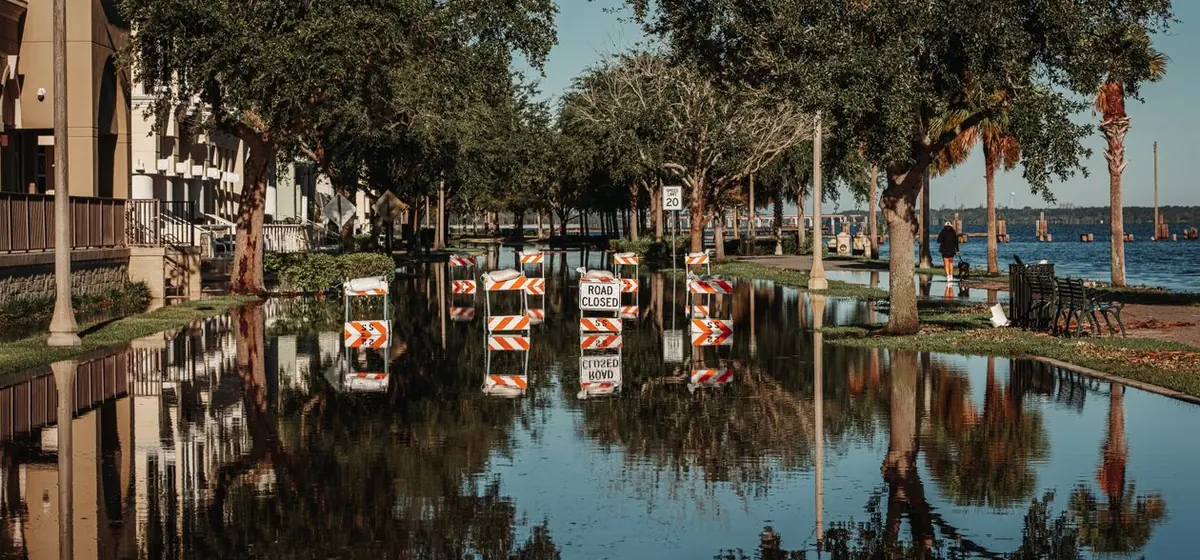
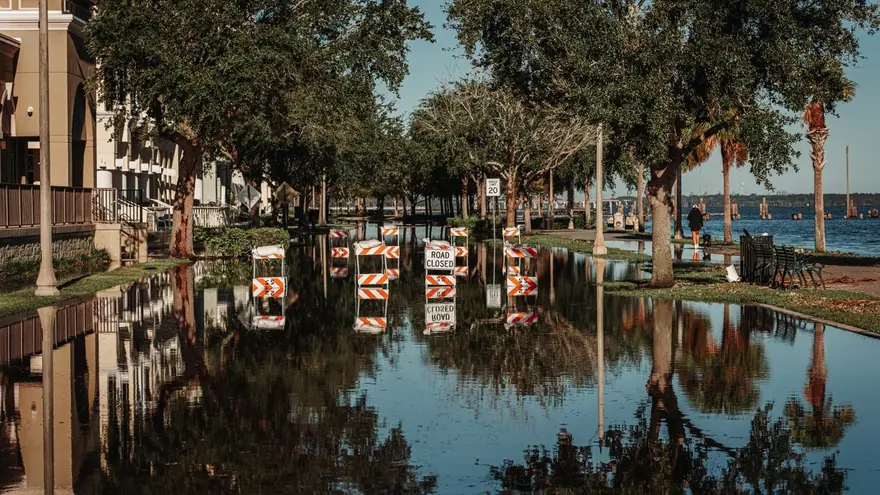
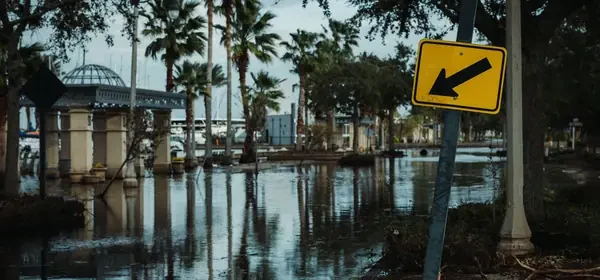
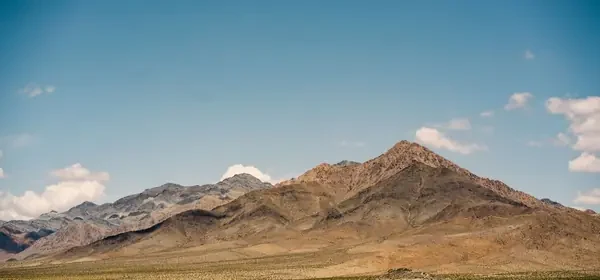
Storm and flash flood water damage in Lancaster, CA occurs when the Antelope Valley's extreme weather overwhelms landscape and infrastructure, pushing water into properties never designed for exterior intrusion. Lancaster sits in the western Mojave Desert where rainfall is infrequent but often intense - arriving in concentrated bursts during desert thunderstorms, monsoon events, and El Niño-amplified winter storms that produce flash flood conditions with minimal warning. Desert terrain sheds water rapidly with limited absorption. When rainfall intensity exceeds drainage capacity, water pools in streets, rises in parking areas, and enters buildings through garage doors, foundation joints, door thresholds, and window wells. Flood water from exterior sources is automatically Category 3 - grossly contaminated - regardless of appearance. We provide storm and flood restoration across Lancaster with full Category 3 protocols.

Monsoon season (July-September). North American Monsoon moisture from the Gulf of California interacts with Lancaster's summer heat, producing intense, localized thunderstorms dropping 1-2 inches of rain in 30-60 minutes - vastly exceeding the landscape's absorption capacity. Storms often arrive in late afternoon, producing flash flood conditions where runoff concentrates.
El Niño winter storms. El Niño years bring heavier, more sustained precipitation. The Antelope Valley has experienced multiple documented significant flooding events during El Niño cycles. Winter storms may produce sustained rainfall over hours - creating extended flood conditions and longer exposure for affected properties.
San Gabriel Mountain runoff. Precipitation in the mountains south of the valley flows through canyons into the valley floor. Properties in southern Lancaster and near drainage channels carrying mountain runoff face elevated risk.
Properties near washes and channels. East Lancaster (93535) and portions of other areas include properties near natural and constructed drainage channels that can overflow during high-volume events. → 93535 drainage channel details

Garage doors. The most common entry point. Standard residential garage doors have minimal bottom and side sealing - little resistance to rising water. Once inside the garage, water fills the floor and flows into the house through the interior door.
Foundation-wall junctions. Weep screeds, expansion joints, and construction seams allow water entry when exterior levels rise above the foundation line.
Exterior door thresholds. Back doors, sliding glass doors, and side entries admit water if grading directs water toward the door or water rises above the threshold. Sliding door tracks are particularly vulnerable due to their low profile.
Below-grade openings. Ground-level windows and any below-grade opening admit flood water directly into the living space.

Safety assessment. Before entering: is power disconnected from flooded areas? Are there structural concerns from water undermining elements? Is there visible sewage, fuel, or chemical contamination?
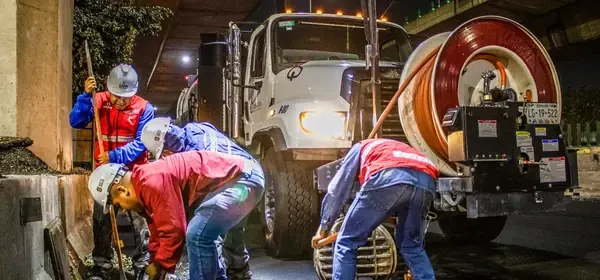
High-volume extraction. Flood events involve greater water volumes than indoor plumbing failures. Truck-mounted extraction with extended capacity removes standing water. → Extraction process
Category 3 material removal. All porous materials contacted by flood water are removed - carpet, pad, drywall below the contamination line, insulation, and porous contents. Same protocol as sewage backup. → Sewage cleanup protocols
Decontamination. All remaining surfaces receive multiple antimicrobial treatment passes. Concrete slab, framing, non-porous surfaces that contacted flood water are cleaned thoroughly.
Drying. Flood events may involve larger areas than indoor damage, requiring more equipment and longer timelines. The slab may have absorbed significant moisture during extended flood exposure. → Structural drying
Standard homeowners insurance does NOT cover flood damage. This is the single most important insurance fact for Lancaster property owners near flood-prone areas.
Flood damage requires a separate policy through the National Flood Insurance Program (NFIP) or a private flood insurer. Lancaster is mapped by FEMA for flood risk - properties in different areas carry different flood zone designations. High-risk zone properties with federally backed mortgages may be required to carry flood insurance. Properties outside high-risk zones are still eligible at lower premiums.
If you do not currently carry flood insurance and your property is near a drainage channel, in a low-lying area, or in an area with past flooding history - obtaining a flood policy before the next storm season is a decision worth making. → Full insurance guide
Flood water is Category 3 - contaminated water requiring PPE, containment, and antimicrobial treatment. All porous materials contacted must be removed. These protocols require professional equipment and procedures.
After contaminated water is extracted, porous materials removed, surfaces decontaminated, and clearance verified. A contained one-to-two room event: three to five days. A whole-floor event: a week or more.
FEMA disaster assistance is available only with a federal disaster declaration for the affected area. Individual flood events without a declaration are not eligible. Flood insurance is the primary protection for individual property owners.
Flash flood conditions in the Antelope Valley can affect properties that have never experienced flooding during prior storms. Changing development patterns, drainage modifications, and unusually intense storm events can redirect water to areas previously unaffected. A flood insurance policy provides protection regardless of past history.

Sewage backup cleanup in Lancaster, CA is the most health-critical type of water damage restoration.
Learn more
Water extraction in Lancaster, CA is the single step that determines how much of your property can be saved and how much needs demolition.
Learn more
Around the clock water damage cleanup in Lancaster for night, weekend and holiday losses of every size.
Learn more
Water damage restoration in the 93535 area covers East Lancaster - established 1980s-1990s neighborhoods and newer construction stretching toward the eastern Antelope Valley.
Learn moreThe phone assessment costs nothing and starts the clock in your favor: source guidance now, extraction and drying as fast as the job allows.