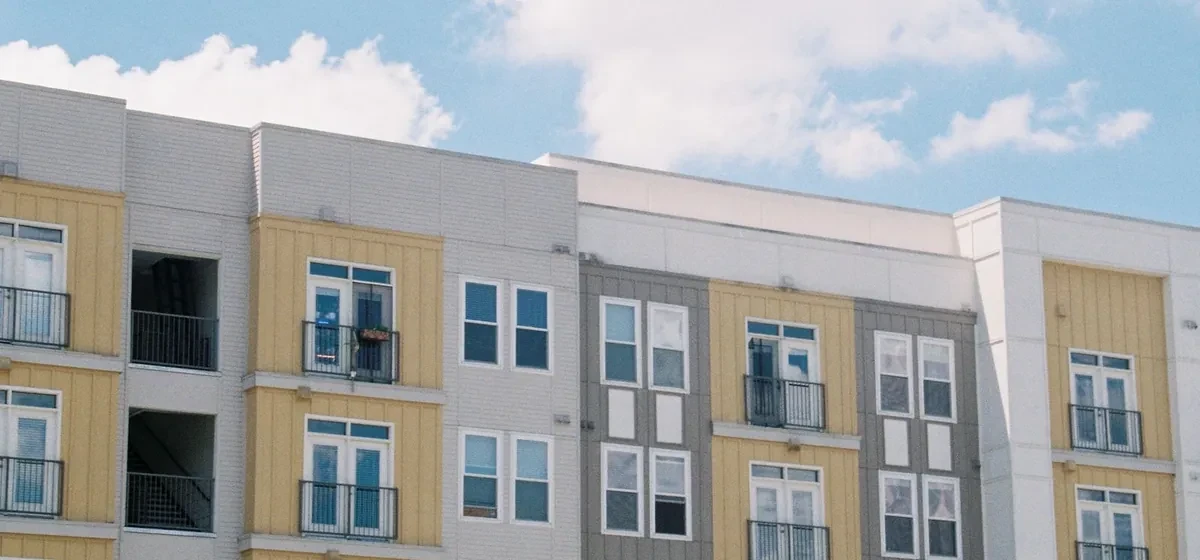
Water damage restoration in the 93534 area of Lancaster serves central Lancaster - the oldest and most densely built part of the city. Properties here range from 1950s tract homes with original copper plumbing and sixty-plus years of thermal cycling to remodeled homes where modern kitchens sit on top of decades-old supply lines hidden behind walls. This area has the highest concentration of slab leaks, aging pipe failures, and plumbing-related water damage in Lancaster. The Lancaster Boulevard commercial corridor adds flat-roof drainage failures and multi-tenant water migration. We restore 93534 properties with full awareness of how this area's age shapes its water damage risks.

1950s-1960s construction. The earliest homes in central Lancaster sit on slab-on-grade foundations with copper supply lines, cast iron drains, and plaster or early drywall finishes. Typically single-story, 1,000 to 1,400 square feet, with plumbing approaching or exceeding 70 years of service. Water damage here frequently originates from slab leaks, corroded copper supply line failures, and deteriorated wax ring seals. Remodeling over the decades has often created mixed plumbing connections - modern PEX or CPVC connected to original copper - where dissimilar materials meet at fittings that can become failure points.
1970s-1980s construction. Homes from this era introduced modern drywall, carpet-over-slab construction, and in some cases polybutylene supply lines - a flexible plastic known for premature failure from chlorine degradation. Properties with original polybutylene carry elevated risk for multi-point supply line failures. Water damage in these homes often involves flooring that has been replaced - original carpet is now LVP, laminate, or tile - creating layered floor assemblies that trap moisture at interfaces between old and new materials. → Burst pipe risks
Remodeled and updated properties. Many central Lancaster homes have been renovated with modern kitchens, updated bathrooms, and new flooring - but sitting on original slab foundations connected to plumbing systems that may be decades old. A common scenario: a newly remodeled kitchen with granite countertops and custom cabinetry, served by original 1960s copper supply lines hidden behind the wall. When the old plumbing fails, damage to the new finishes is particularly costly.
Commercial and mixed-use properties. The Lancaster Boulevard corridor includes retail, restaurants, offices, and mixed-use buildings. Commercial water damage in 93534 frequently involves flat-roof drainage failures during storms, aging interior plumbing, and tenant-to-tenant migration in multi-unit structures. → Commercial restoration
Slab leaks. Central Lancaster has the highest slab leak prevalence in the city due to plumbing age and decades of soil movement beneath under-slab supply lines. Alkaline soil chemistry attacks copper from outside. Mineral-rich water pits copper from inside. The result: supply lines that eventually develop pinholes or joint failures beneath the concrete, running quietly until symptoms reach the homeowner.
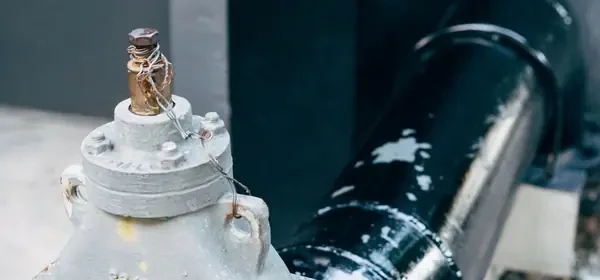
Aging above-slab pipe failures. Beyond slab leaks, above-slab plumbing is subject to age-related failure. Solder joints at tees, elbows, and valve connections weaken over decades. Shutoff valves that have not been exercised in years can fail open, making it impossible to isolate a leak without closing the main supply. Galvanized pipe in some pre-1960s homes corrodes from the inside, reducing flow and eventually leaking at threaded fittings.
Water heaters past end-of-life. Some 93534 water heaters are original equipment in remodeled homes - installed years ago and left in place during kitchen or bathroom renovations. At 12 to 15 years in Lancaster's water conditions, these units are well past expected service life and represent significant failure risk.
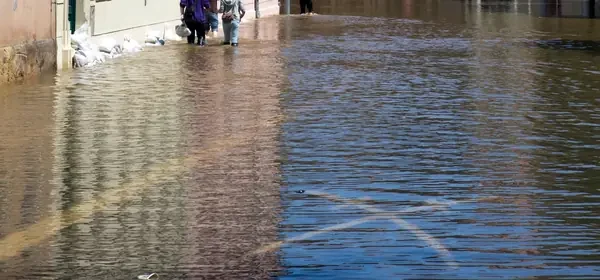
Storm drainage overwhelm. The drainage infrastructure in central Lancaster is among the city's oldest. During intense rain events, stormwater can overwhelm aging drainage, pool in streets and driveways, and enter properties through garage doors, foundation-wall junctions, and low openings.

Each service below is delivered in this neighborhood at the full Lancaster standard, with moisture-verified drying and insurance-ready documentation.

Emergency water damage restoration in Lancaster, CA means getting extraction equipment running at your property before the damage scope doubles.
Learn more
Slab leak water damage in Lancaster, CA is one of the most insidious forms of water damage a homeowner can face - a plumbing failure hidden beneath the concrete foundation, quietly saturating building materials from below while producing symptoms so subtle that weeks or months pass before the problem is recognized.
Learn more
Burst pipe water damage restoration in Lancaster, CA addresses the most common and most destructive water damage source in the Antelope Valley.
Learn more
Water extraction in Lancaster, CA is the single step that determines how much of your property can be saved and how much needs demolition.
Learn moreThe map below shows Lancaster 93534 - the part of the Lancaster service area this page is written for.
Water Damage Restoration Lancaster CA
Serving Lancaster, CA 93534 and the wider Lancaster, CA service area - zip codes 93534, 93535, 93536, 93539 and 93584, including Quartz Hill, West Lancaster, East Lancaster, Antelope Acres and the Lancaster Boulevard area.
Open 24 hours, 7 days a week.
The combination of the city's oldest plumbing systems, decades of soil settlement affecting slab foundations, and aging building infrastructure creates a higher baseline risk compared to newer development. The specific causes trace to system age - not construction quality.
A plumbing inspection evaluates line condition and helps you make an informed decision. Full repiping eliminates catastrophic failure risk but is a significant investment. Some homeowners choose to repipe proactively; others address specific failure points as they arise. Either approach is served by knowing the current condition. → Burst pipe prevention
Slab leaks produce slow, sustained moisture rather than a sudden high-volume event. The damage footprint develops gradually - flooring absorbs moisture over weeks, drywall wicks upward slowly, and mold colonization may begin before detection. Restoration typically involves more extensive material removal because materials have been wet longer, increasing absorption and contamination levels.
If the remodel did not include replumbing, the new finishes are connected to original supply lines. A remodeled kitchen with original copper behind the walls carries the same pipe failure risk as before the remodel - but the cost of damage to new finishes is substantially higher.
Call for the phone assessment and we will route the response to your neighborhood, with shutoff guidance while help is on the way.