Water extraction in Lancaster, CA is the single step that determines how much of your property can be saved and how much needs demolition. Professional extraction removes standing water at hundreds of gallons per hour using truck-mounted units, weighted carpet extractors, and hard-surface tools that reach water no consumer equipment can touch. The faster extraction starts, the smaller the drying scope, the less material removal, and the lower the total restoration cost. We provide water extraction across Lancaster as the integrated first phase of every water damage restoration project we perform.

The relationship between extraction timing and outcome is not gradual - it is exponential.
First 30 minutes to 2 hours. Water is primarily on surfaces and in the immediate contact zone - carpet face, top of pad, first few millimeters of drywall at the baseboard, top surface of the concrete slab. Extraction at this stage prevents significant absorption into deeper material layers. Most materials can be saved in place.
After 2 to 4 hours. Water has migrated further. Drywall has wicked moisture six to twelve inches above the water line. Carpet pad is fully saturated. Water has followed baseboard channels into rooms that look completely dry. Underneath LVP or laminate, water has spread across the slab well beyond the visible wet area.
After 8 or more hours. The damage profile changes fundamentally. Drywall may be saturated to the first stud height or beyond. Cabinetry particle board is swelling. The moisture front has reached areas well beyond the point of origin. Materials that could have been dried in place with a two-hour response now require removal and replacement.
Getting extraction running six hours earlier does not just save six hours of drying time. It can save thousands of dollars in material removal and replacement.

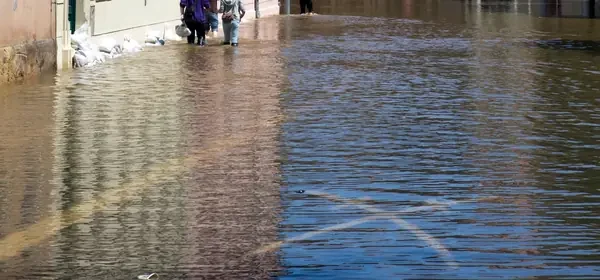
Truck-mounted extraction. For large-volume events - supply line breaks, water heater failures, flood intrusion - truck-mounted units provide the highest capacity and fastest removal. Connected via hose from the truck to extraction tools inside, these units allow continuous high-volume removal without the capacity limitations of portables. For Lancaster's slab-on-grade homes where water pools on concrete beneath flooring, truck-mounted extraction can clear standing water across the entire affected area in a single pass.
Portable extraction. Deployed when the affected area is smaller, when property layout prevents truck-mounted hose access, or when water is on upper floors. Portable units are essential for two-story water damage in the Quartz Hill area where truck access to the second floor is not practical.
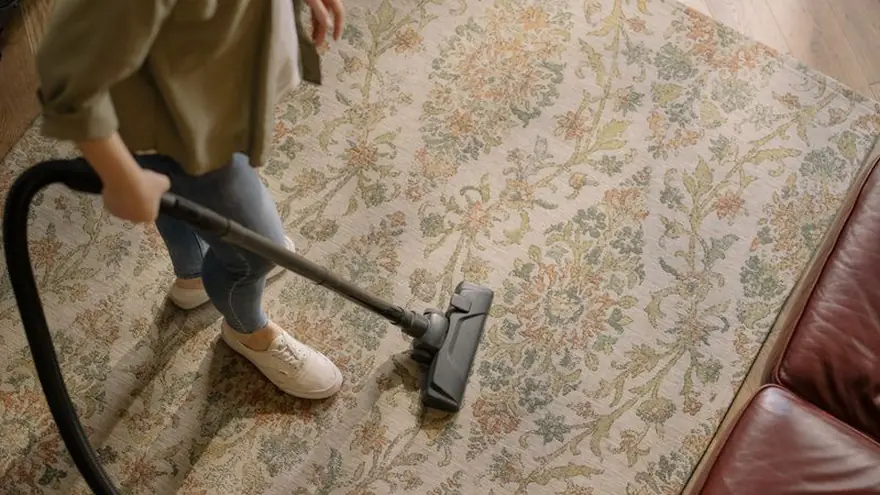
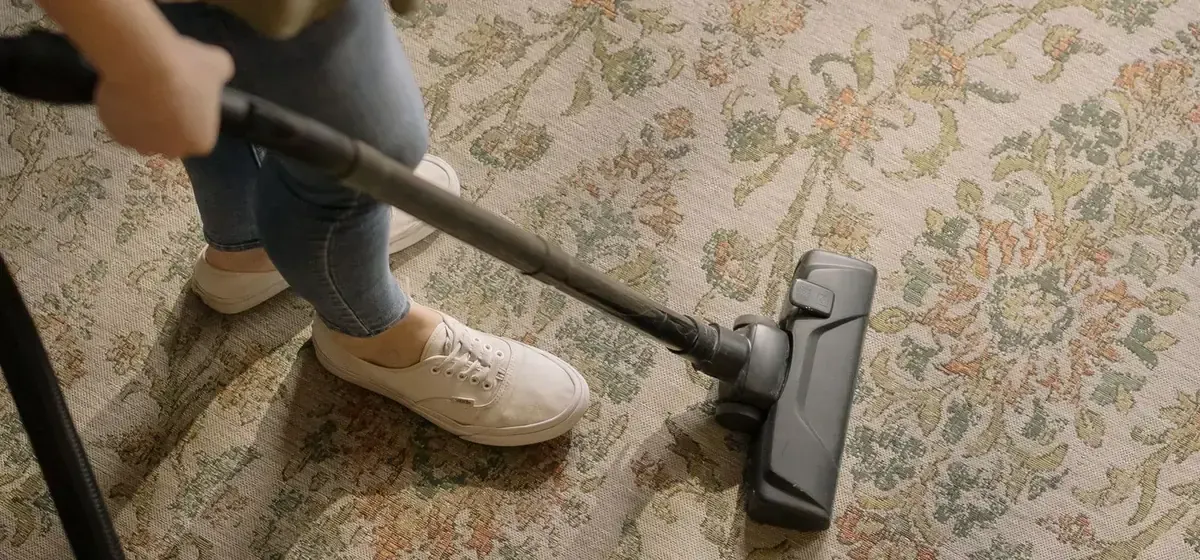
Weighted carpet extraction. Weighted tools compress the carpet face, pushing water from the pad through the carpet backing and into the extraction head. This recovers significant water from the pad without pulling back the carpet - preserving the carpet installation when pad replacement is planned. For Category 1 water where pad can be saved, repeated weighted passes reduce pad moisture and accelerate drying.
Hard-surface extraction. Tile, LVP, engineered hardwood, and concrete require different approaches. Surface water is moved to collection points using squeegee-style tools. For tile, extraction targets standing water on the surface while accounting for migration through porous grout to the substrate below. For LVP and laminate, perimeter extraction along flooring edges removes water that has seeped beneath planks.
Sub-surface extraction. Water trapped beneath flooring sometimes requires direct access - removing select LVP planks, drilling extraction ports in tile, or pulling back carpet to access saturated pad and slab surfaces. Decisions are made based on moisture readings and whether the subsurface can be dried without removal.
Extraction is also diagnostic. The volume recovered indicates severity. The locations where water is found - rooms distant from the source, behind cabinetry, under appliances - reveal migration paths that inform the drying strategy. The color and odor of extracted water can indicate contamination category, sometimes revealing issues that were not obvious from visual inspection alone.
In Lancaster's slab-on-grade homes, extraction frequently reveals that water has traveled further under flooring than the visible wet area suggests. A kitchen leak appearing confined to the kitchen may have sent water under the LVP into the dining room and hallway. This is why extraction is immediately followed by professional moisture mapping. → Moisture mapping details
Extraction removes the water you can see and reach. Moisture mapping finds the water you cannot. And structural drying removes the moisture that building materials have absorbed. → Structural drying process
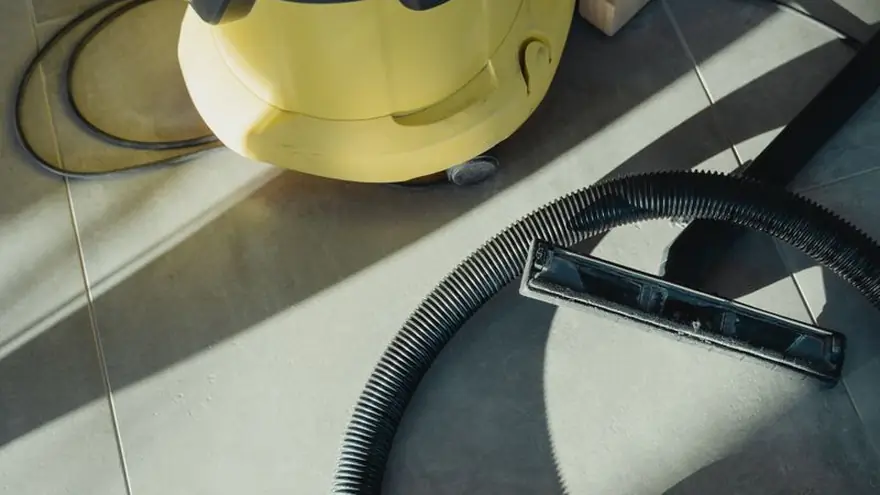
A shop vac removes surface water, which is better than nothing. But a standard shop vac lacks the suction power to effectively extract from carpet pad, and it cannot address water inside wall cavities, beneath flooring, or in enclosed spaces. Professional extraction equipment operates at significantly higher suction levels and flow rates, reaching material layers consumer equipment cannot.
A standard residential supply line under municipal pressure can discharge over 400 gallons per hour. A water heater failure releases 40 to 80 gallons from the tank immediately, with the supply line continuing to feed as long as the valve is open. An unattended supply line break running six to eight hours can introduce several thousand gallons into the structure. → Burst pipe restoration
Weighted carpet extraction is non-destructive - the tool compresses carpet and pad to remove water without tearing, stretching, or deforming the material. Hard-surface extraction tools do not damage tile, LVP, or concrete. Partial flooring removal for subsurface access is a controlled decision based on moisture data, not a consequence of the extraction process.
The extraction phase for a typical residential water damage event takes two to six hours depending on the volume of water, the area affected, and the number of rooms involved. Multi-room losses with extensive standing water may require longer. Extraction runs continuously until bulk water is removed - it is not paused overnight.

Structural drying in Lancaster, CA is applied science - not opening windows and hoping desert air does the work.
Learn more
Emergency water damage restoration in Lancaster, CA means getting extraction equipment running at your property before the damage scope doubles.
Learn more
Moisture mapping and detection in Lancaster, CA finds the water damage you cannot see.
Learn more
Water damage restoration in the 93534 area of Lancaster serves central Lancaster - the oldest and most densely built part of the city.
Learn moreThe phone assessment costs nothing and starts the clock in your favor: source guidance now, extraction and drying as fast as the job allows.