Cause: HVAC and AC Leaks - Lancaster CA

HVAC and AC Unit Water Damage Lancaster CA

HVAC and AC unit water damage in Lancaster, CA comes from the system designed to keep your home comfortable - not flood it. Air conditioning systems pull moisture from indoor air as part of the cooling cycle, producing condensate that drains through a dedicated line. When that line clogs, the drain pan overflows, or a connection fails, water enters the ceiling, walls, and flooring from a location most homeowners never think about. Lancaster's HVAC systems work harder and longer than almost anywhere in California - summer cooling runs from May through October, with units operating nearly continuously during weeks of 100°F+ heat. That extended runtime means more condensate production, more opportunity for drain line clogs, and more risk of water damage from the system meant to make the house livable.

  • Open 24 hours, 7 days
  • Lancaster + Antelope Valley
  • Process guided by IICRC S500
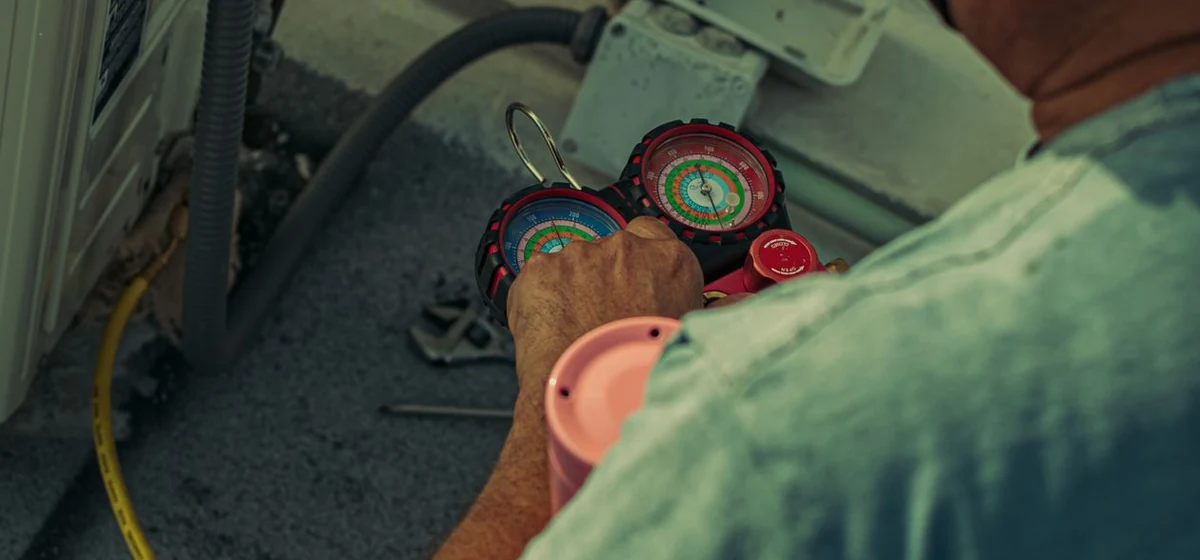
Technician servicing an outdoor air conditioning unit with manifold gauges - HVAC and AC unit water damage in Lancaster
Lancaster CAOpen 24/7

How HVAC Systems Cause Water Damage

Condensate line clogs. The primary condensate drain carries water from the air handler's drain pan to an exterior drain point or the plumbing system. Lancaster's dusty environment - desert dust, wind-blown particulates, and construction debris - accelerates the buildup of algae, dust, and biological matter inside the condensate line. When the line clogs, water backs up into the drain pan and overflows.

Drain pan overflow. The drain pan beneath the air handler catches condensate and directs it to the drain line. If the pan cracks, corrodes, or overflows due to a clogged line, water spills onto whatever is below the unit - ceiling drywall if the air handler is in the attic, flooring if it is in a closet or utility area.

Attic-mounted air handlers. Many Lancaster homes - especially two-story homes in 93536 - have the air handler installed in the attic. A condensate overflow in the attic sends water onto the ceiling drywall below, into insulation, and along structural members. The damage pattern is similar to a roof leak - water spreads through the ceiling cavity before dropping through at a fixture penetration, seam, or register opening. → Roof leak damage

Second-floor mechanical closets. In two-story homes with split HVAC systems, a second-floor air handler in a mechanical closet can overflow onto the second-floor flooring and migrate downward through the floor system - the same vertical damage path as an upstairs bathroom leak. → 93536 two-story restoration

Refrigerant line condensation. Improperly insulated refrigerant lines can sweat - producing condensation on the exterior of the copper line that drips onto drywall, flooring, or framing. This is a slow, chronic moisture source rather than an acute flood event, but sustained condensation can produce hidden mold growth along the refrigerant line path.
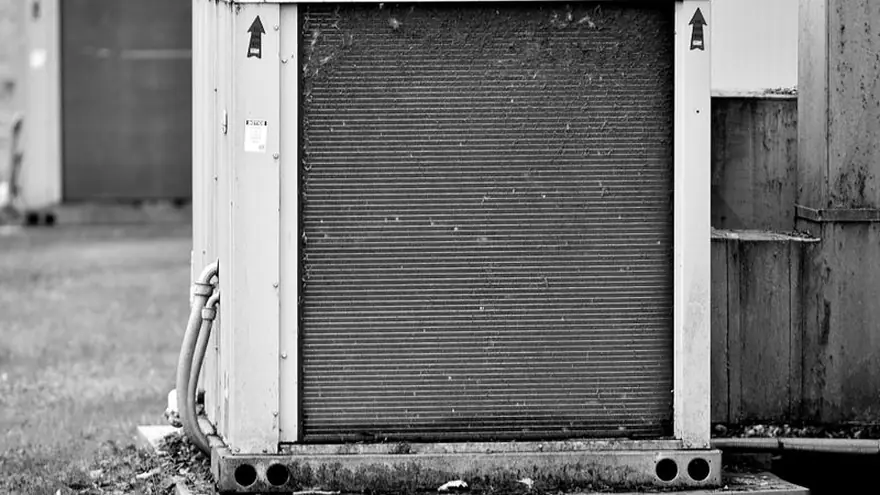
Industrial HVAC unit outdoors in Lancaster CA
An outdoor HVAC unit in Lancaster, where condensate problems often begin.

Prevention

Annual condensate line maintenance. Flush the condensate drain line at the start of each cooling season. A mixture of vinegar and water through the access port clears buildup before it becomes a clog. Many HVAC maintenance plans include this step.

Install a float switch. A condensate overflow float switch shuts off the AC unit when the drain pan water level rises - preventing overflow damage. This is a low-cost addition that should be on every attic-mounted and second-floor air handler in Lancaster.

Inspect the drain pan. Metal drain pans corrode over time. Inspect annually for cracks, rust, and proper drainage slope.

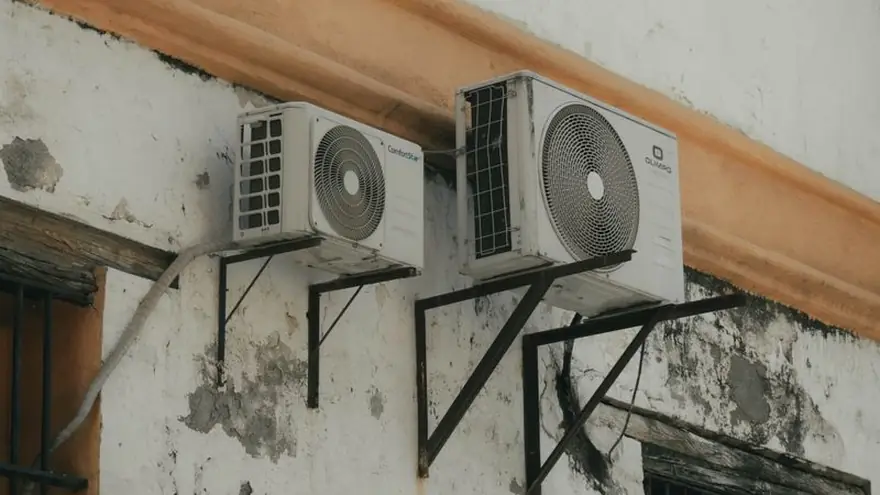
Two outdoor air conditioner units mounted on a wall in Lancaster CA
Paired condenser units on a Lancaster wall, each with its own drain line.

Frequently Asked Questions

Can HVAC water damage cause mold?

Yes. Condensate overflow in a ceiling cavity or wall assembly creates the warm, moist, enclosed conditions where mold thrives. Because HVAC damage is often concealed in attic spaces and ceiling cavities, it can go unnoticed until mold symptoms - musty odor, ceiling stains, respiratory irritation - appear weeks later. → Mold inspection

My AC is dripping from the ceiling register. What do I do?

Turn off the AC system immediately to stop condensate production. Place a container under the drip. Call for assessment - water dripping through a ceiling register means the drain pan has overflowed and the ceiling cavity above is wet. → Emergency response

Is HVAC water damage covered by insurance?

Generally yes - a sudden condensate overflow is a sudden and accidental event. If the insurer determines the condensate line was neglected over time (never maintained, known to clog repeatedly), a maintenance exclusion argument is possible. → Insurance guide

Related Services in Lancaster CA

Open 24/7 in Lancaster CA

Water damage in Lancaster? Start with one call.

The phone assessment costs nothing and starts the clock in your favor: source guidance now, extraction and drying as fast as the job allows.

(661) 338-1428

Request a callback

Prefer to talk now? Call (661) 338-1428. This form is available 24/7.