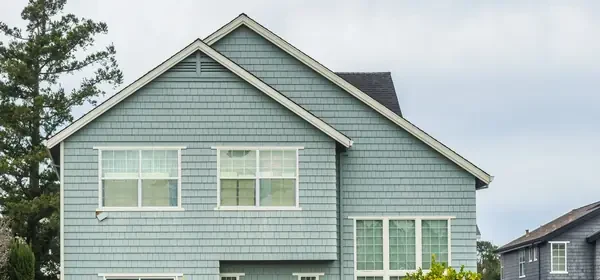
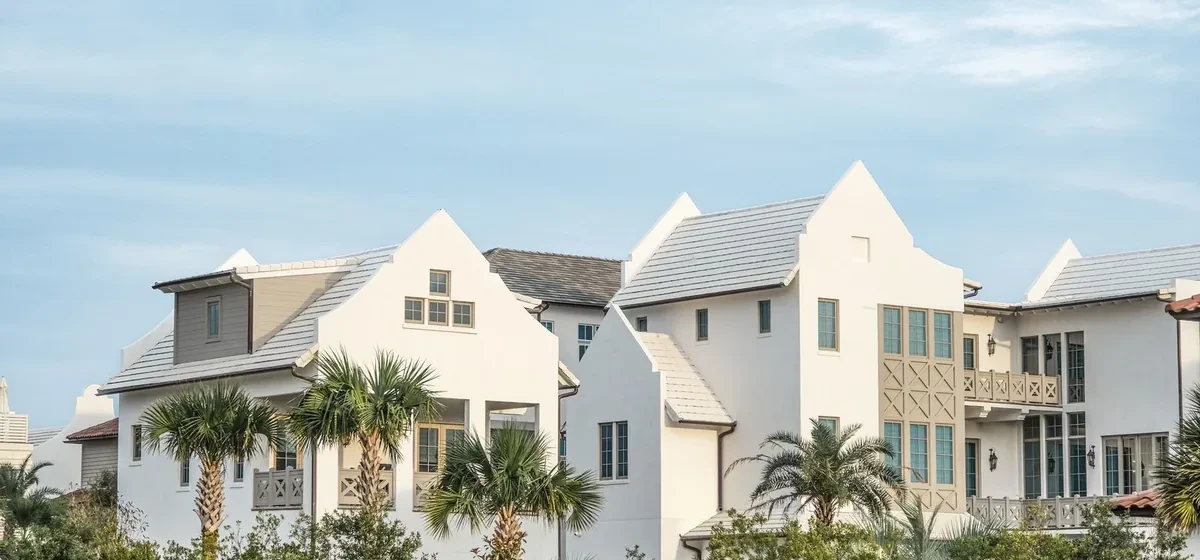
Water damage restoration in the 93536 area serves West Lancaster and the Quartz Hill community - Lancaster's concentration of larger, higher-end, two-story homes. The defining challenge here is vertical water damage: an upstairs bathroom leak does not stay upstairs. Water moves through the subfloor, along joists, through plumbing penetrations, and into the first-floor ceiling and walls - often producing a larger damage footprint below than above. Upgraded finishes like engineered hardwood, natural stone, and custom cabinetry require specialized drying and careful handling. We restore 93536 properties with the precision these homes demand.

Two-story construction and vertical water damage. An upstairs bathroom carries the same failure risks as a downstairs one - supply line breaks, wax ring failures, shower pan leaks - but the consequences are fundamentally different. Water from an upstairs failure follows gravity through the subfloor assembly, along plumbing penetrations, through gaps in the floor system, and into the ceiling and wall cavities of the room below. The first-floor damage footprint is often larger than the second-floor wet area because water disperses as it passes through the floor system, spreading outward along joists, wiring channels, and HVAC duct routes. The first visible sign downstairs may be a ceiling stain - but by then, water has been migrating through the ceiling cavity for hours, wetting insulation, soaking the backside of drywall, and potentially running down inside the wall below. Restoration requires inspection and monitoring on both levels, with moisture mapping that follows vertical water movement through the floor system.
Larger square footage. Homes in 93536 commonly exceed 2,000 square feet, many in the 2,500 to 3,500 range or larger. A supply line failure in a kitchen that opens to a great room, dining area, and hallway can affect 600 to 800 square feet of flooring before the homeowner discovers the leak. Larger scope means more extraction, more drying equipment, more monitoring points, and a longer timeline. A multi-room loss in a large 93536 home may require eight to twelve air movers and two to three dehumidifiers.
Higher-value finishes requiring specialized handling. Engineered hardwood, natural stone tile, custom cabinetry, and higher-grade fixtures are common. These materials are more expensive to replace, more sensitive to improper drying, and require greater care during controlled demolition. Engineered hardwood is particularly challenging - it responds to moisture with cupping, crowning, and delamination. Aggressive drying that removes moisture too quickly can cause cracking. Insufficient drying leaves moisture at the adhesive line. The approach must be calibrated to the specific flooring product. → Structural drying details
Upstairs bathroom plumbing failures. Supply line failures at the toilet, sink, or shower send water onto the bathroom floor and through the subfloor into the first-floor ceiling. Shower pan leaks - slow failures of the waterproof membrane beneath the shower floor - produce chronic moisture affecting the floor system without ever creating standing water in the bathroom. Toilet wax ring failures send drain-side water around the toilet base and into the subfloor.
Kitchen island and bar supply lines. Larger homes often include kitchen islands with sinks and dishwashers, wet bars, or prep areas with dedicated water connections. Supply lines to these features are routed through the slab or subfloor - concealed runs difficult to inspect that can leak for extended periods before symptoms appear at the surface.
HVAC condensate line clogs. Two-story homes with split HVAC systems often have an air handler in the attic or a second-floor mechanical closet. These units produce condensate drained through a condensate line. If the primary line clogs - common in Lancaster's dusty environment - water overflows from the air handler pan. In an attic installation, this enters the ceiling below. In a second-floor closet, it enters the flooring and can migrate to the first floor.

Each service below is delivered in this neighborhood at the full Lancaster standard, with moisture-verified drying and insurance-ready documentation.

Residential water damage restoration in Lancaster, CA addresses how water damages the home you live in - rooms with furniture, personal belongings, and materials that respond differently based on when your home was built and what it is made of.
Learn more
Structural drying in Lancaster, CA is applied science - not opening windows and hoping desert air does the work.
Learn more
Roof leak water damage repair in Lancaster, CA addresses water intrusion that enters from above - often during the worst possible conditions.
Learn more
Moisture mapping and detection in Lancaster, CA finds the water damage you cannot see.
Learn moreThe map below shows Lancaster 93536 - the part of the Lancaster service area this page is written for.
Water Damage Restoration Lancaster CA
Serving Lancaster, CA 93536 and the wider Lancaster, CA service area - zip codes 93534, 93535, 93536, 93539 and 93584, including Quartz Hill, West Lancaster, East Lancaster, Antelope Acres and the Lancaster Boulevard area.
Open 24 hours, 7 days a week.
Quite possibly. If water reached the bathroom floor and migrated into the subfloor, it may be sitting in the floor system between levels - wetting subfloor, insulation, and the ceiling drywall below. A moisture inspection from both the bathroom floor and the first-floor ceiling determines whether concealed moisture is present. Targeted drying through access points in the ceiling below can address it without removing the entire ceiling. → Moisture mapping
It depends on severity. Mild cupping from short-duration Category 1 exposure can sometimes be reversed through careful, controlled drying with weighted pressure over time. If the flooring has buckled, delaminated, or been exposed to contaminated water, replacement of the affected area is typically necessary. The decision is based on visible condition and moisture readings at the flooring, adhesive, and subfloor levels.
Generally, yes. Two-story water damage involves two levels of inspection, moisture mapping, drying, and potential material removal. The floor system between levels adds a layer of complexity - subfloor, joists, insulation, and ceiling all need assessment and monitoring. Larger homes with upgraded finishes also carry higher material costs for replacement.
Strategic access points - small openings cut in the first-floor ceiling at identified moisture concentration points - allow airflow from injectidry systems to reach the cavity between levels. This approach dries the cavity while minimizing the amount of ceiling material that needs replacement. The access points are repaired during the rebuild phase.
Call for the phone assessment and we will route the response to your neighborhood, with shutoff guidance while help is on the way.