Cause: Water Heater Leaks - Lancaster CA

Water Heater Leak Cleanup Lancaster CA

Water heater leak cleanup in Lancaster, CA responds to one of the most common and most preventable water damage events in the Antelope Valley. When a tank-type water heater fails - corroded tank bottom, failed T&P relief valve, or deteriorated supply connection - it releases its full stored volume immediately and continues receiving water from the cold supply until someone closes the valve. A standard 50-gallon unit can deposit its contents in minutes, with the supply adding hundreds of gallons per hour. Lancaster's hard water - elevated calcium and magnesium from Antelope Valley groundwater - accelerates sediment buildup, corrodes anode rods faster, and shortens water heater life to roughly 8-10 years instead of the 12-15 years expected in soft water areas. We respond to water heater failures across Lancaster with emergency extraction that prioritizes speed.

  • Open 24 hours, 7 days
  • Lancaster + Antelope Valley
  • Process guided by IICRC S500
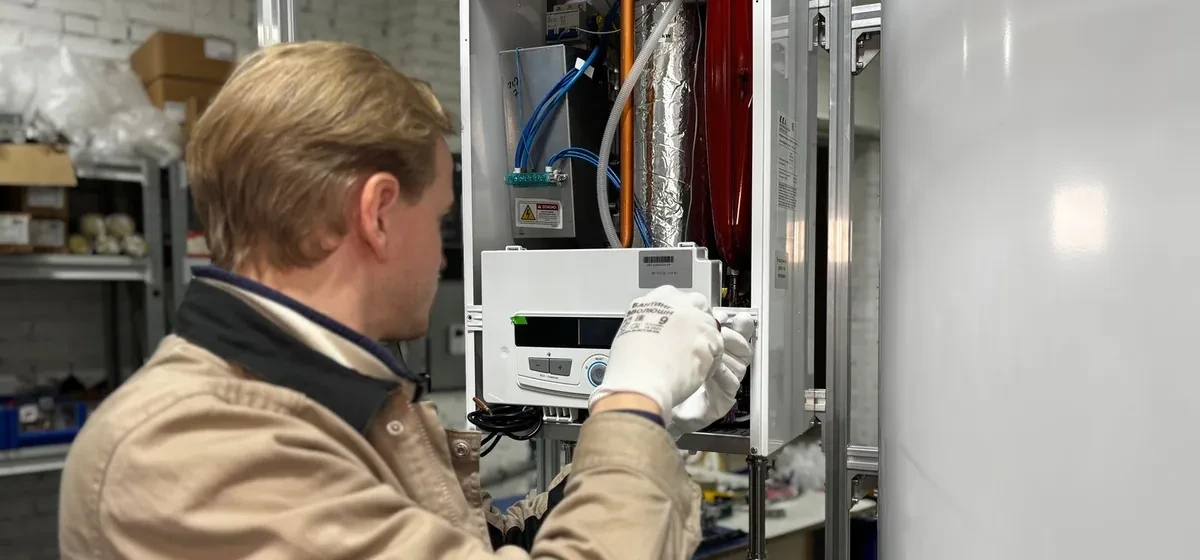
Technician servicing a water heater unit - water heater leak cleanup in Lancaster CA
Lancaster CAOpen 24/7

Why Water Heaters Fail in Lancaster

Sediment accumulation. Hard water minerals precipitate when heated, settling at the tank bottom as calcium carbonate. This sediment insulates the tank from the burner, causing longer burn cycles, overheating the tank bottom, accelerating metal fatigue, and eventually cracking the tank at the lowest point.

Anode rod depletion. The sacrificial anode rod corrodes in place of the tank, attracting corrosive elements. Lancaster's hard water depletes anode rods faster. Once consumed, corrosive activity shifts to the tank itself, accelerating liner deterioration.

T&P relief valve failure. The temperature and pressure relief valve opens if tank conditions exceed safe limits. Mineral buildup can cause it to weep continuously (a slow drip often ignored because the volume seems minor) or fail to reseat after opening. A weeping valve sends constant water onto the floor - migrating to drywall, under storage, and into the house.

Supply connection corrosion. Threaded fittings where hot and cold lines attach to the tank corrode from electrolysis (dissimilar metals in contact) and age. A failed connection at the tank top sends pressurized water down the sides and onto the floor.

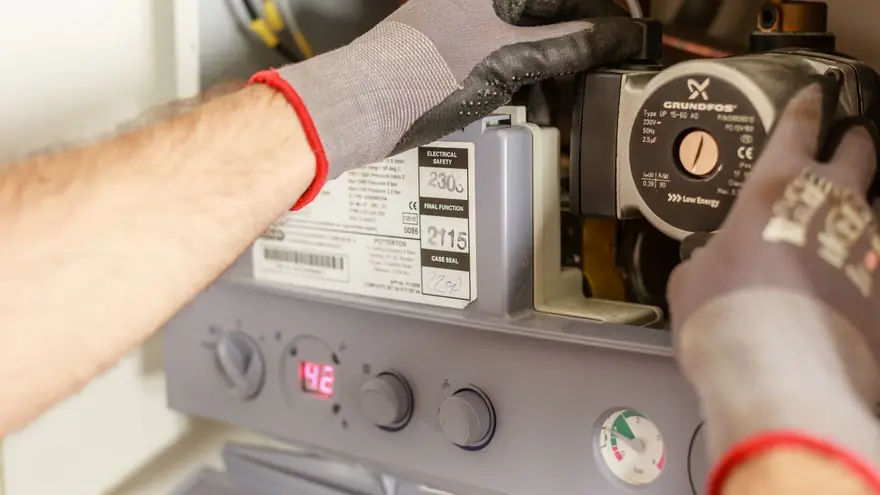
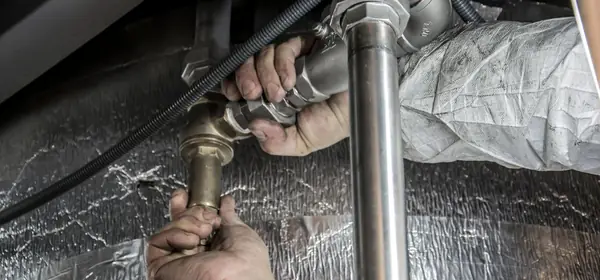
Gloved hands adjusting a boiler unit during water heater service in Lancaster CA
Hands on the heater controls during a Lancaster water heater service call.

Damage Patterns by Water Heater Location

Garage installations (most common in Lancaster). A tank failure deposits water across the garage floor, under stored items, against the shared wall with the house, and - if volume is sufficient - over the threshold into the living space. Garage failures can run for extended periods undetected. A failure during the workday can run 8+ hours before anyone returns, releasing thousands of gallons. The shared-wall drywall saturates floor to ceiling. Flooring in the adjacent room soaks from water migrating under the door. → 93535 garage damage details

Interior closet installations. Some newer Lancaster homes - particularly in 93536 - locate the water heater in an interior closet. A failure here deposits water directly onto finished flooring with immediate migration into adjacent rooms. Discovered faster than garage failures, but water contacts finished materials from the first moment.

Outdoor/enclosed exterior installations. A small number of Lancaster homes have exterior water heater enclosures. Subject to freeze damage in winter if not insulated. Failures may go undetected longer due to the exterior location.

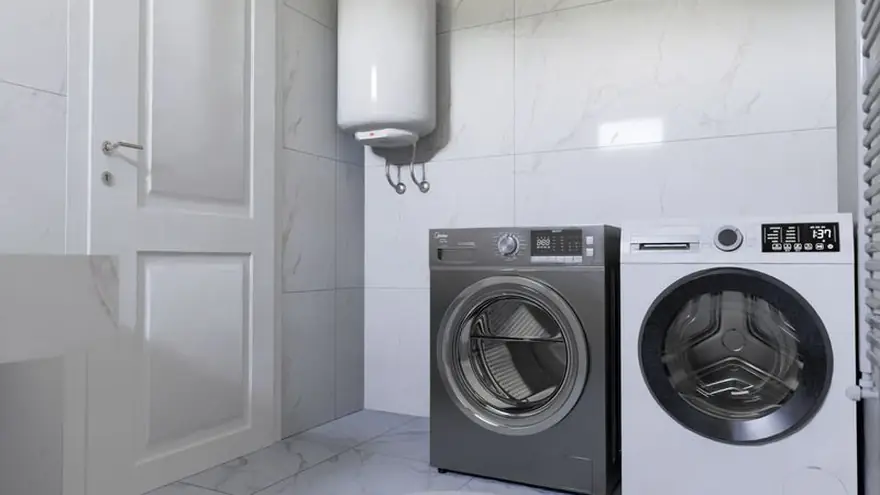
Laundry room with a washer, dryer and water heater on a tiled floor in Lancaster
The utility corner of a Lancaster home, where heater leaks spread across tile.

Cleanup and Restoration Process

Shutoff and safety. Close the cold water supply valve feeding the water heater. Turn off gas supply for gas units. If electric and water has contacted the panel or wiring, shut off the circuit at the breaker before approaching.

Extraction. Water from the garage floor, under stored items, and from any rooms where water entered the house is extracted with truck-mounted or portable equipment. Garage extraction often involves relocating stored items to access the full floor. → Extraction process

Classification. Water heater tank water is typically Category 1. However, if the tank contained significant sediment, had stagnant water, or the water contacted garage floor contaminants (oil, chemicals, dust, pest debris), the category may elevate to Category 2.

Drying. Garage concrete has high thermal mass and dries slowly. The garage door allows ambient air exchange that helps surface drying but introduces dust. The shared wall must be monitored from both sides. Interior damage follows standard drying protocols. → Structural drying

Prevention: Extending Water Heater Life in Lancaster

Annual flushing. Drain several gallons from the tank through the drain valve yearly to remove sediment before it causes overheating and failure. The single most effective maintenance step for hard water environments.

Anode rod inspection. Inspect every 2-3 years, replace when more than 50% consumed. In Lancaster's hard water, expect 2-3 replacements during the unit's life - a minor cost compared to a tank failure restoration.

Proactive replacement. If your water heater is approaching 8-10 years - especially without regular maintenance - planned replacement on your schedule costs a fraction of emergency restoration plus content losses from a catastrophic failure.

Leak detection. A smart water sensor at the base of the water heater alerts within minutes of any water appearing. Some systems include automatic shutoff valves that close the supply when moisture is detected, limiting damage volume.

Frequently Asked Questions

How do I know when my water heater is at risk of failing?

Warning signs: rusty hot water, rumbling or popping sounds from sediment, visible corrosion on the tank or fittings, any age approaching 8-10 years in Lancaster, and any previous repairs to the T&P valve or supply connections.

Can a water heater failure in the garage really damage the house?

Yes - and frequently does. The tank releases 40-80 gallons immediately, with the supply continuing. Water flows across the garage to the lowest point, which is often the house entry threshold. If volume is sufficient, water overtops the step into the living space. → Emergency response

Is water heater damage covered by insurance?

Generally yes - a water heater tank failure is a sudden and accidental event covered by standard homeowners policies. The water damage to the structure and contents is covered. The replacement water heater itself may or may not be covered depending on your policy's equipment provisions. → Insurance details

Should I drain my water heater myself or hire someone?

Annual flushing is a simple DIY maintenance step - connect a garden hose to the drain valve, run water until it clears. If the drain valve has never been operated and is old, it may be seized or may not reseat properly after opening. If you are unsure, a plumber can perform the flush and inspect the unit at the same time.

Related Services in Lancaster CA

Open 24/7 in Lancaster CA

Water damage in Lancaster? Start with one call.

The phone assessment costs nothing and starts the clock in your favor: source guidance now, extraction and drying as fast as the job allows.

(661) 338-1428

Request a callback

Prefer to talk now? Call (661) 338-1428. This form is available 24/7.