Around the Clock - Lancaster CA

24/7 Water Damage Cleanup Lancaster CA

24/7 water damage cleanup in Lancaster exists because water losses ignore the clock: pipes burst on winter nights, water heaters fail on holiday mornings and storms arrive after dark. Cleanup starts with a phone assessment at any hour, followed by extraction and drying as soon as a crew can be on site.

  • Open 24 hours, 7 days
  • Lancaster + Antelope Valley
  • Process guided by IICRC S500
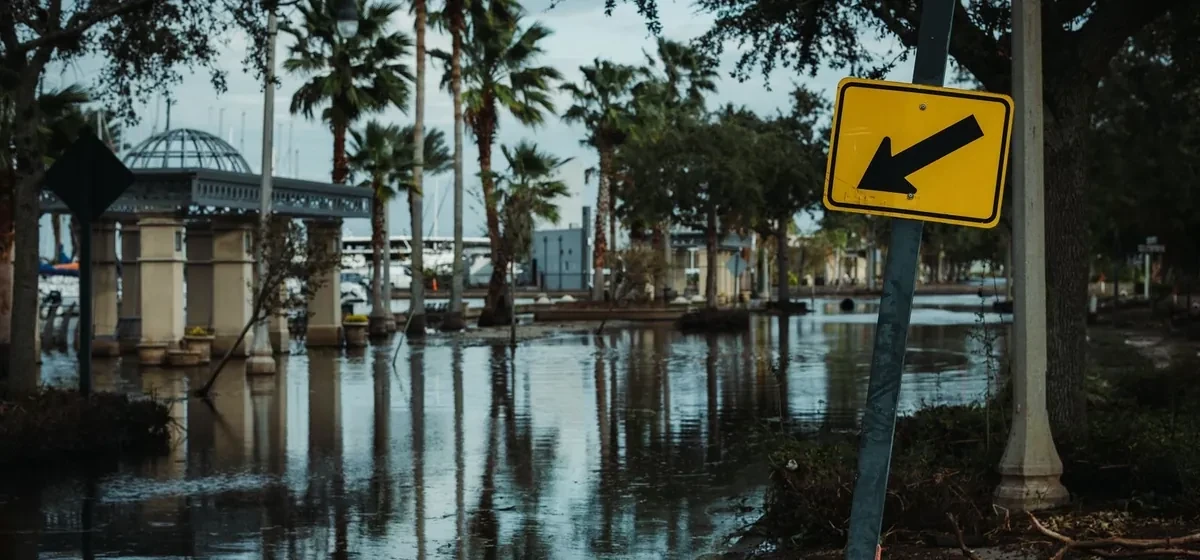
Flooded road lined with palm trees at dusk - 24/7 water damage cleanup in Lancaster CA
Lancaster CAOpen 24/7

Why does 24/7 cleanup matter for water damage?

Water damage runs on a biological and physical clock, not a business one. Within the first day, water wicks into drywall and pad. Around 48 hours, clean Category 1 water begins degrading toward Category 2 as it contacts dust and building materials, and mold colonization can begin in porous materials. A Friday night leak that waits until Monday is not the same loss anymore - it is a bigger, more expensive one with more material removed.

Around the clock cleanup breaks that timeline. The phone assessment happens when you call, the source gets shut off with guidance over the phone, and extraction is scheduled immediately rather than at the next business opening. In mitigation, hours are the cheapest thing you can spend and the most expensive thing you can waste.

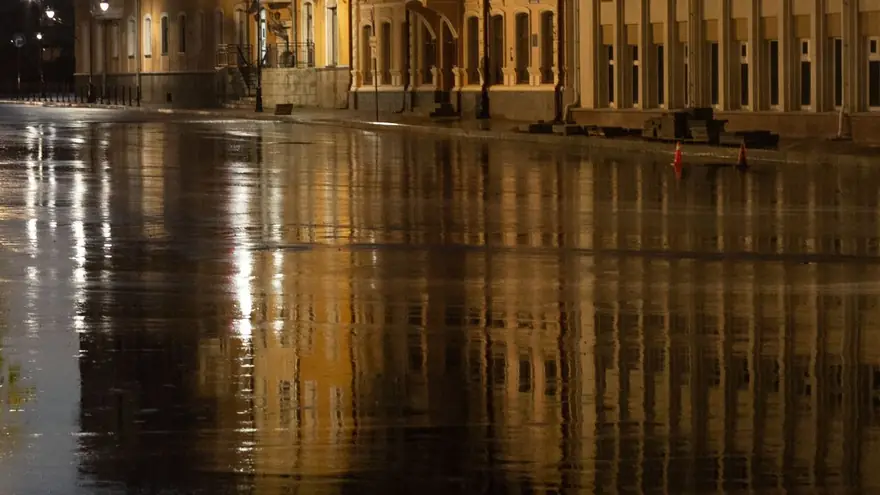
Flooded city street at night with lights reflecting on standing water
Standing water on a street at night, the kind of call that cannot wait for morning.

When do Lancaster water losses usually happen?

Lancaster's High Desert nights are part of the pattern. Overnight temperatures from November through February regularly drop below freezing, and the burst usually happens as lines thaw in the morning - which means many homeowners wake up to a flood already in progress. Night and weekend readiness is not a slogan here, it is the local loss calendar.

How the work proceeds, step by step

Every job follows the IICRC S500 framework, sequenced for this kind of loss:

Any hour phone assessment

The call establishes the source, the areas affected, safety concerns and what to shut off immediately, so mitigation starts before anyone arrives.

Source shutoff guidance

You are walked to the fixture valve or main shutoff while the crew is dispatched, stopping clean water from adding to the loss.

Extraction on arrival

Standing water comes out first, before detailed mapping, because removing bulk water early changes the drying math for every material in the building.

Night safe drying setup

Equipment is placed, checked for electrical safety, and set to run overnight with readings logged so the first full day starts from a documented baseline.

Morning documentation check

The overnight readings, photographs and equipment records are compiled into the claim file, and the drying plan for the following days is confirmed.

How can Lancaster homeowners reduce the next water loss?

Most Lancaster losses are preventable or shrinkable with unglamorous habits: knowing where the main shutoff is and testing it, replacing washing machine and supply hoses on a schedule rather than after failure, insulating exposed lines before the November freeze season, and looking under every sink and behind the water heater a few times a year.

The second habit is speed. Water damage cost is a function of hours: extraction inside the first day keeps materials saveable and water in its original category. A household that knows its shutoffs and calls early has done more for its restoration bill than any negotiation later can.

What does this cost in Lancaster?

Water damage restoration costs in Lancaster generally fall in the range of roughly $1,200 to $7,000 or more, depending on the scope of the loss. Small, contained leaks involving a single room with Category 1 water tend to land on the lower end. Multi-room losses, Category 2 or 3 water, extensive material removal and longer drying timelines push costs higher. The variables that most affect final cost are the square footage of the affected area, the water category and class, how long materials stayed wet before mitigation began, the types of building materials involved, and whether contents cleaning or pack-out is needed. Most homeowners insurance policies cover sudden and accidental water damage, and the documentation produced during the job is what supports that claim.

After hours cleanup follows the same pricing variables as any loss. Acting at 2 a.m. instead of waiting for morning usually lowers the total bill, because less material crosses the line from dryable to removed.

Joshua trees at sunset in the Mojave Desert near Lancaster CA
Sunset over the Antelope Valley, and the phones stay on long after dark.

Why does documentation run through the whole job?

A water loss is documented from the first phone call to the final reading: photographs of the source and the affected areas, moisture readings and a map of where the water traveled, equipment placement records, and daily drying logs showing each material moving toward its goal. That file is the memory of the job, built while the facts are fresh.

The documentation does double duty. It guides the work itself, because drying decisions are made from readings rather than impressions. And it becomes the claim record: the scope of loss, the evidence of a sudden event, and the verification that the structure reached dry standard before repairs began. Homeowners receive the complete file when the job closes.

What happens overnight while drying equipment runs?

Drying equipment is designed to run unattended. Air movers push air across wet surfaces and dehumidifiers pull the released moisture out of the air, and the pair works continuously while you sleep or while the building is empty. The crew returns on a monitoring schedule to take readings, reposition equipment and confirm each material is moving toward its drying goal.

For Lancaster homes, overnight drying has a local advantage: desert nights are cool and dry, and a properly sealed drying chamber holds its grain depression well. The readings, not the calendar, decide when equipment comes out.

Homeowners comparing areas can read about water damage restoration lancaster ca 93535 for the local picture. For background before you need it, our guide on category 1 vs category 2 vs category 3 water damage explained covers the topic in depth.

Frequently Asked Questions

Does 24/7 really mean nights and weekends?

Yes. Water damage calls are answered around the clock, and the phone assessment and dispatch process run the same at night as during the day. The clock on water damage does not pause for weekends, so neither does the response.

What should I do at 2 a.m. while I wait?

Shut off the water if you can do it safely, keep clear of standing water near outlets, and move small dry items out of wet rooms. Do not run household fans on contaminated water and do not tear into walls - mapping first prevents unnecessary demolition.

Is it safe to sleep in a house with drying equipment running?

In most clean water losses, yes. Equipment noise is the main complaint, not safety. If the loss involves sewage or electrical hazards, the affected zone stays closed and the crew will tell you plainly which rooms to avoid.

Will a night call cost more than a day call?

The mitigation work is scoped the same way regardless of the hour: area, category and materials. What changes with a fast call is the scope itself, because early extraction almost always means less removal and a shorter drying cycle.

How loud is drying equipment overnight?

Air movers produce a steady fan noise similar to a large box fan. Crews can often position equipment to keep bedrooms quieter, and the monitoring visits adjust placement as rooms reach their goals.

Related Services in Lancaster CA

Open 24/7 in Lancaster CA

Water damage in Lancaster? Start with one call.

The phone assessment costs nothing and starts the clock in your favor: source guidance now, extraction and drying as fast as the job allows. Around the clock water damage cleanup in Lancaster for night, weekend and holiday losses of every size.

(661) 338-1428

Request a callback

Prefer to talk now? Call (661) 338-1428. This form is available 24/7.