Published - Water Damage Restoration Lancaster CA
Lancaster’s slab-on-grade construction is particularly vulnerable to concealed moisture. Without a basement or crawl space, there is no visible under-floor area where leaks announce themselves with dripping or pooling. Water from slab leaks, slow supply line drips, and condensation migrates through and along materials before producing any symptom detectable with the naked eye.
Warning Signs to Watch For
Unexplained water bill increase. This is often the first objective indicator of a concealed leak. Lancaster homeowners who track their water usage should investigate any increase that does not correspond to a change in usage habits. Even a small slab leak or supply line drip adds up to significant consumption over a billing period.
Warm spot on the floor. A localized warm area on tile or hard-surface flooring particularly in a bathroom, kitchen, or hallway can indicate a hot water slab leak beneath the foundation. The warm water heats the concrete from below, creating a temperature difference detectable through the flooring.
Musty or earthy odor. A persistent musty smell particularly at baseboard level, in closets, or in rooms with exterior walls suggests mold growth supported by concealed moisture. The odor comes from microbial volatile organic compounds released by active mold colonies.
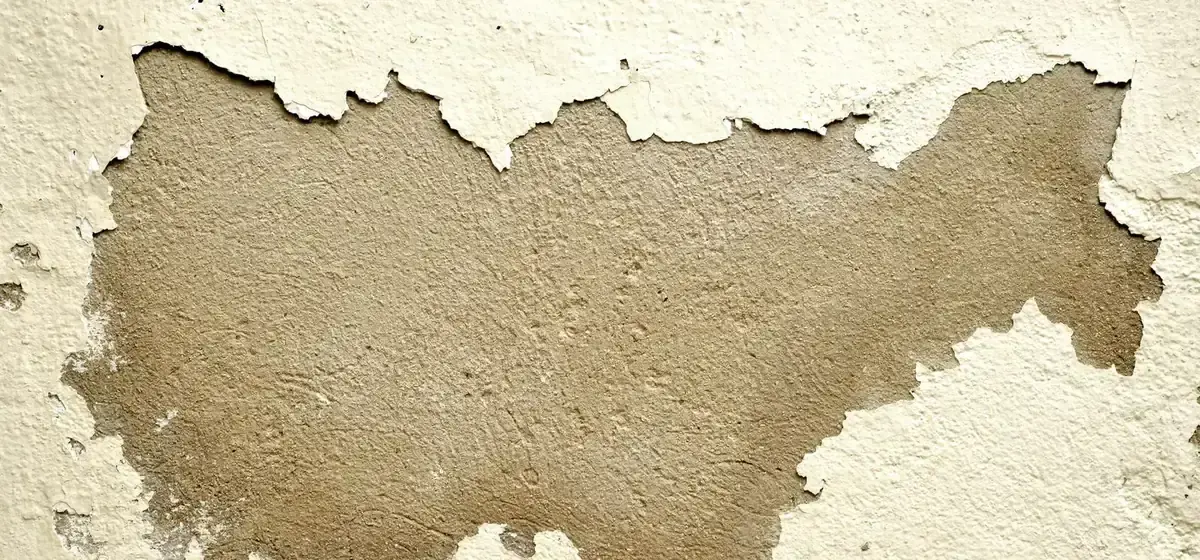
Bubbling, peeling, or discolored paint. Paint separates from drywall when moisture behind the wall migrates through the gypsum board and reaches the painted surface. Bubbling, blistering, or discoloration along the lower portion of a wall particularly near baseboards indicates moisture wicking upward from the slab.
Soft or spongy baseboards. Press on your baseboards at various points around the home. Baseboards that feel soft, give under pressure, or show discoloration at the bottom edge have absorbed moisture from a source at the slab level.
Warped, cupped, or buckled flooring. Flooring materials that have changed shape LVP planks that have lifted at the edges, hardwood that has cupped, laminate that has buckled at seams are responding to moisture beneath the surface. This moisture may be from a slab leak, a supply line drip within a wall cavity, or condensation.
Sound of running water. When all fixtures and appliances are off and the house is quiet, listen for a persistent hiss, trickle, or flow sound. This may indicate water moving through a failed pipe potentially a slab leak or a supply line drip within a wall.
Visible mold. Any visible mold growth dark spots along baseboards, discoloration on drywall, growth on closet walls or ceilings indicates a moisture source. Mold requires sustained moisture to grow, so visible mold always points to a concealed moisture problem that must be identified and corrected.
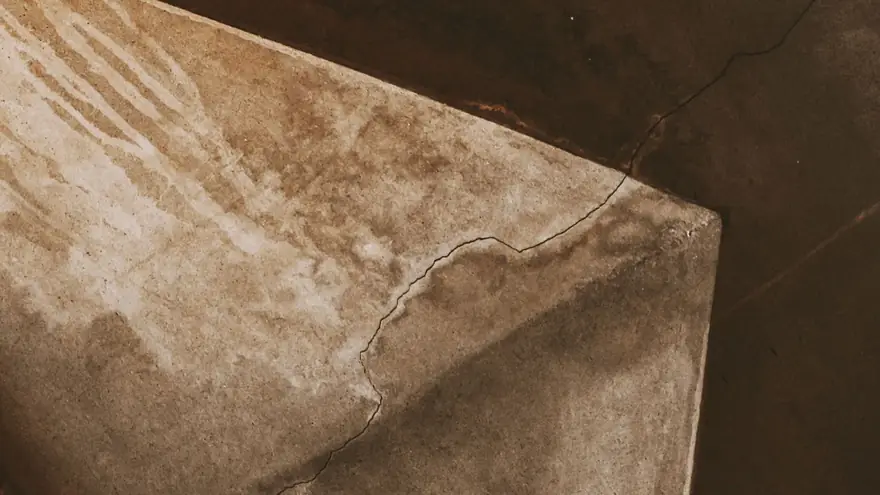
Cracks in foundation or drywall. New or expanding cracks in the slab (visible in the garage or at uncovered areas) or in interior drywall can indicate soil saturation from a concealed leak that is affecting the foundation support.
What to Do If You Suspect Hidden Water Damage
Do not wait to confirm your suspicion with visible damage by that point, the concealed damage has already expanded. Call for a professional moisture inspection. Penetrating moisture meters, non-penetrating scanners, and infrared thermal imaging can identify elevated moisture in building materials without opening walls or removing flooring. If concealed moisture is confirmed, the source can be identified and the appropriate restoration response initiated before the damage progresses further.

Where to go next
Related services and local pages referenced in this guide: moisture mapping and detection in Lancaster slab leak water damage restoration mold inspection in Lancaster.