Published - Water Damage Restoration Lancaster CA
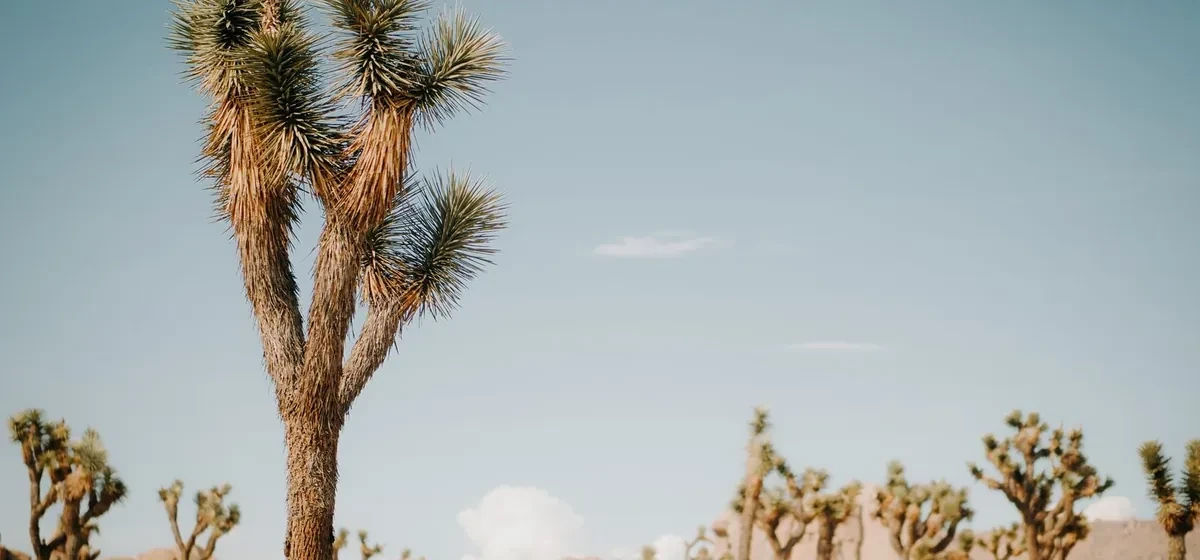
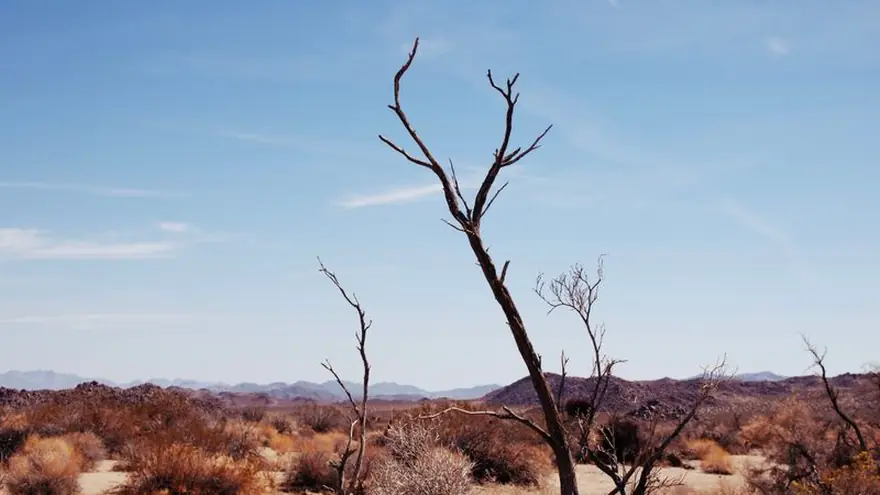
Lancaster’s position in the western Antelope Valley places it in a semi-arid climate zone within the broader Mojave Desert. Annual rainfall averages under eight inches. Relative humidity regularly drops below 20% during summer months. The landscape is dry, the air is dry, and the surfaces exposed to outdoor conditions dry quickly. All of this is true and none of it protects the inside of your walls, the space beneath your flooring, or the cavities behind your cabinets from the effects of water intrusion.
The Desert Drying Myth
When a supply line breaks or a water heater fails in a Lancaster home, the water does not enter the outdoor environment. It enters the building specifically, the enclosed building assemblies that make up the walls, floors, and ceiling cavities. These assemblies are designed to separate indoor conditions from outdoor conditions. They are insulated (in some cases), sealed with vapor barriers (in newer construction), and enclosed by drywall, flooring, and other finish materials that create isolated air spaces.
The air inside a wall cavity that contains wet drywall has nothing in common with the air outside the building. The cavity air is trapped, humid, and warm exactly the conditions that support mold growth and material deterioration. The fact that the outdoor air is dry at 15% relative humidity does not change the condition inside the wall, any more than a sunny day outside changes the temperature inside a refrigerator.
This is the fundamental misconception that leads Lancaster homeowners to delay calling for professional help. “It’s the desert it’ll dry.” And the surfaces do dry. The carpet face feels dry within a day. The floor seems fine. But behind the baseboard, the drywall is still wet. Under the LVP, the slab interface is still moist. Inside the wall, the conditions are exactly right for mold to colonize.
Desert Climate Risks That Increase Water Damage
Freeze-thaw pipe stress. Lancaster’s high desert climate includes winter temperatures that frequently drop below freezing a risk factor that truly coastal communities do not face. The freeze-thaw cycle cracks pipes, weakens solder joints, and causes failures that introduce water into the building during the coldest months of the year.
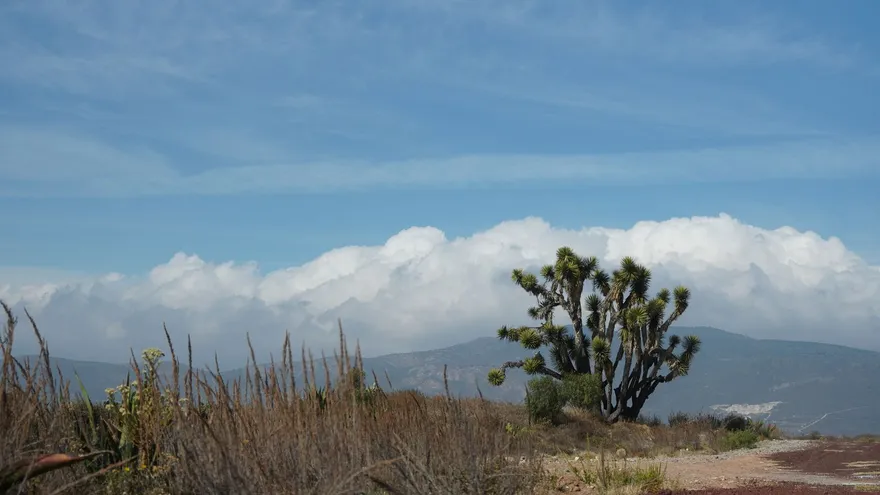
Flash flood exposure. Desert thunderstorms and El Niño winters produce intense rainfall events that overwhelm drainage capacity, producing flash floods that push Category 3 water into homes. This is not a “wet climate” problem it is a desert-specific problem caused by the terrain’s inability to absorb concentrated rainfall.
Hard water pipe corrosion. The mineral content of Lancaster’s water supply accelerates corrosion in copper plumbing systems, shortening the service life of pipes, fittings, and water heaters compared to communities with softer water. This means plumbing failures occur earlier in the system’s lifespan.
False sense of security. The biggest desert climate risk is psychological the assumption that the dry environment provides protection leads to delayed response, inadequate drying attempts, and skipping professional restoration. These decisions are more costly in the long run than any plumbing failure.
The Takeaway
Lancaster’s desert climate does not prevent water damage. It does not dry concealed moisture. It does not stop mold growth inside building cavities. And it should not influence the decision to seek professional water damage restoration when a water event occurs. The physics of moisture in building materials does not change based on the outdoor weather report.
Where to go next
Related services and local pages referenced in this guide: structural drying services in Lancaster mold inspection in Lancaster emergency water damage response.