Published - Water Damage Restoration Lancaster CA
Preparing for flash flooding before the storm arrives is dramatically more effective than responding after water has entered your property. Category 3 flood water damage the classification that applies to all exterior water intrusion is the most expensive and disruptive type of water damage to remediate. Prevention and preparation reduce the probability that storm water reaches your building materials in the first place.
Understanding Lancaster’s Flash Flood Patterns
Monsoon season (July through September). The North American Monsoon pushes moisture from the Gulf of California into the desert Southwest. When this humid air mass encounters the intense heat of the Antelope Valley where summer temperatures regularly exceed 100 degrees convective thunderstorms develop rapidly, often in the late afternoon and evening. These storms can produce one to two inches of rainfall in under an hour over localized areas, generating flash flood conditions within minutes of the heaviest rainfall.
Monsoon thunderstorms are localized and unpredictable. One neighborhood may receive heavy rain while a community two miles away stays dry. This makes flash flooding difficult to anticipate at the property level by the time water is rising in the street, the window for preparation has passed.
El Niño winter storms (November through March). El Niño years bring increased Pacific storm activity to Southern California, including the Antelope Valley. These winter storms differ from monsoon thunderstorms in that they can produce sustained rainfall over hours rather than concentrated bursts. The extended duration means more total water volume, broader flood coverage, and longer exposure times for affected properties.
Mountain runoff. Precipitation falling in the San Gabriel Mountains south of the Antelope Valley flows through canyons and drainages onto the valley floor. Properties in southern Lancaster and near drainage channels that carry mountain runoff face elevated flood risk during heavy precipitation events, even when rainfall at the property itself is moderate.
How to Prepare Your Lancaster Property
Inspect and maintain landscape grading. The ground around your home should slope away from the foundation in all directions, directing surface water away from the building rather than toward it. Over time, soil settlement, landscaping changes, and erosion can alter grading, creating areas where water pools against the foundation. Walk the perimeter of your property and identify any areas where the ground slopes toward the building or where water pooling is evident after irrigation. Regrading these areas before storm season redirects runoff away from vulnerable entry points.
Seal garage door thresholds. The garage door is the most common entry point for flood water in Lancaster homes. Install or replace the bottom seal on your garage door to minimize the gap between the door and the concrete driveway. For properties in known flood-prone areas, consider a flood barrier or threshold dam that can be deployed at the garage door opening when storms are forecast.
Check foundation-wall junctions. Inspect the perimeter of your home where the exterior walls meet the foundation. Weep screeds, expansion joints, and any cracks or gaps at this junction can admit water when exterior water levels rise above the foundation line. Seal accessible cracks and gaps with appropriate sealant.
Clear drainage channels and gutters. If your property has rain gutters, confirm that they are clear of debris and that downspouts direct water at least four to six feet away from the foundation. Clogged gutters overflow at the roofline, depositing water directly against the foundation. If your property is near a drainage channel or wash, ensure that your section of the drainage is clear of debris, vegetation, or obstructions that could redirect water toward your property.
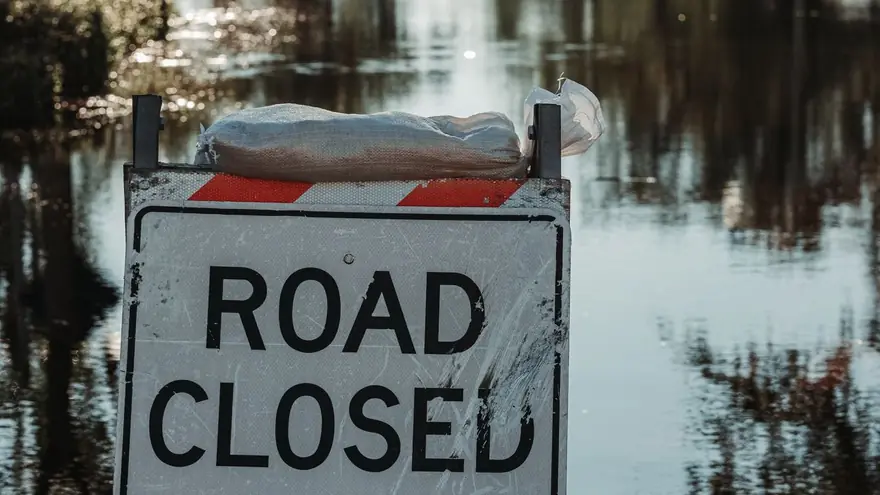
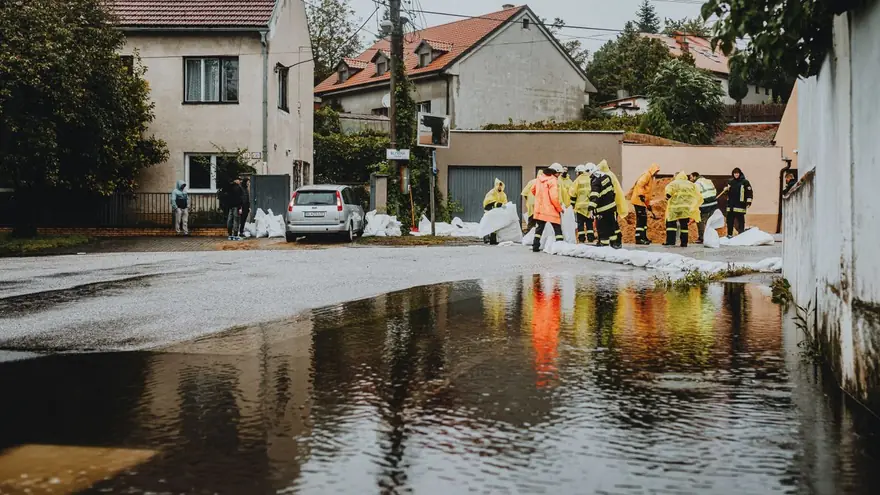
Prepare emergency supplies. Keep sandbags or sand tube barriers available for deployment when heavy rain is forecast. Six to ten sandbags can protect a garage door opening or an exterior door threshold. Store them in an accessible location so they can be deployed quickly when conditions warrant.
Elevate valuables in the garage. Items stored on the garage floor are the first casualties of flood water entry. Elevate stored belongings, important documents, tools, and anything that cannot be easily replaced onto shelving or platforms at least 12 inches above the floor. This simple step protects contents from the most common flood scenario shallow water entering through the garage door.
Know your flood insurance status. Standard homeowners insurance does not cover flood damage. If your property is near a drainage channel, in a low-lying area, or has experienced water intrusion during past storm events, obtain a flood insurance policy before the next storm season. NFIP policies typically have a 30-day waiting period between purchase and activation, so the time to buy is before the forecast, not during the storm.
Sign up for emergency alerts. Los Angeles County provides emergency alerts through multiple channels. Register for alerts through the county’s emergency notification system, monitor the National Weather Service forecasts for the Antelope Valley, and pay attention to flash flood watches and warnings issued for the Lancaster area.
What to Do During a Flash Flood Event
Do not drive through flooded roadways. Flash flood water on roads is deeper and faster-moving than it appears. Six inches of moving water can knock an adult off their feet. Twelve inches can float a vehicle. Turn around do not drown.
Deploy barriers if safe. If water is approaching your property and you have sandbags or barriers prepared, deploy them at garage doors and exterior door thresholds before water arrives. Do not attempt to deploy barriers while standing in rising water.
Shut off electrical power. If water is entering the building, shut off power to affected areas at the breaker panel before the water reaches electrical outlets and panel boxes.
Do not enter flood water inside the building. Flood water from exterior sources is Category 3 contaminated with soil, road debris, and potentially sewage. Do not walk through it without protective equipment.
Move to higher ground. In a severe flood event, personal safety takes absolute priority over property protection. Move to the second floor if available, or leave the property entirely if water continues to rise.
After the Flood
Once the water has receded, do not assume the property is safe to occupy. Flood water leaves behind contamination on every surface it contacted. Professional extraction, material removal, decontamination, and drying are required before the property is safe for re-entry. Contact your flood insurance provider to initiate the claim, and call for professional Category 3 water damage restoration.
Where to go next
Related services and local pages referenced in this guide: storm and flood water damage restoration homeowners insurance water damage guide.