Published - Water Damage Restoration Lancaster CA
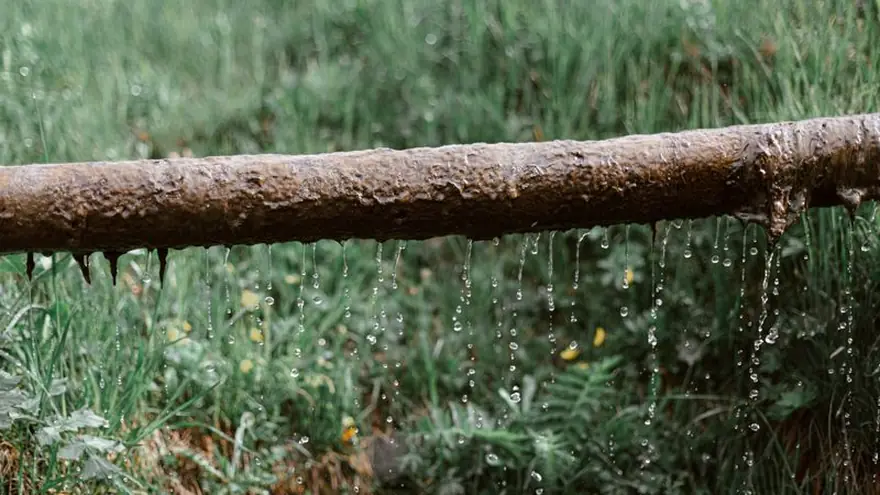
A single pipe burst from a frozen supply line can release hundreds of gallons per hour, causing damage that costs thousands of dollars to restore. The good news: preventing pipe bursts is straightforward, inexpensive, and within every Lancaster homeowner’s ability.
Why Lancaster Pipes Freeze
Water expands when it freezes. Inside a pipe, this expansion creates pressure between the ice blockage and the nearest closed point downstream. The pipe fails at the weakest point in the pressurized section a solder joint, a fitting, or a section of wall thinned by corrosion. The failure often occurs not at the point of freezing but at a point downstream, which is why the resulting leak may be in a different location than where the ice formed.
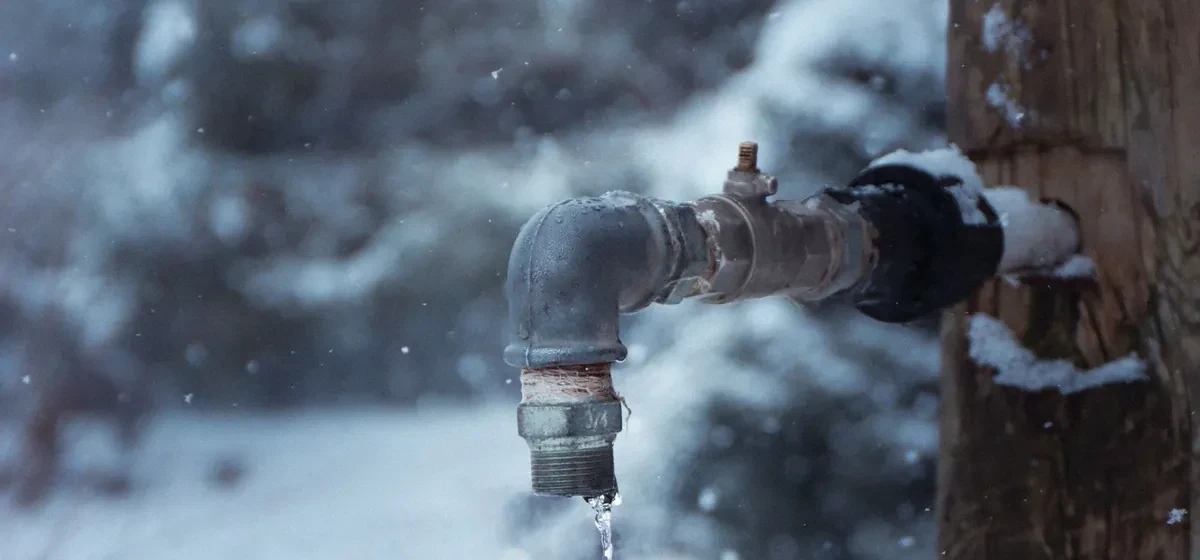
Pipes freeze when they are exposed to temperatures below 32 degrees for a sustained period. In a Lancaster home, the most vulnerable pipes are supply lines in the garage (the most common freeze location in Lancaster), supply lines in exterior walls (particularly on the north and east sides of the house), supply lines in uninsulated crawl spaces or attic areas, and outdoor hose bibs and irrigation supply lines.
The garage is the primary risk zone because it is the largest unheated space in most Lancaster homes. The garage door provides minimal insulation, and overnight temperatures inside an uninsulated garage closely track outdoor temperatures. Supply lines running through the garage feeding the water heater, the laundry connections, or passing through to the house are directly exposed to freezing conditions.
Prevention Steps
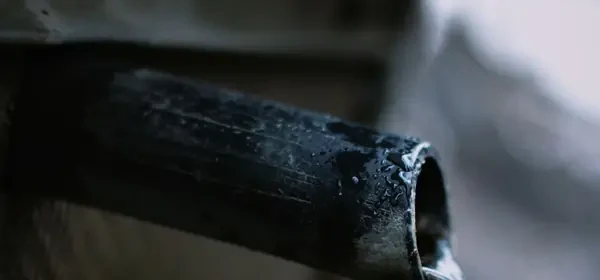
Insulate exposed supply lines. Foam pipe insulation the black or gray tubes available at any hardware store costs a few dollars per six-foot section and installs in minutes by sliding over the pipe. Insulate every accessible supply line in the garage, in any unheated space, and along exterior walls. Focus on the horizontal runs that are most exposed to cold air. Pipe insulation does not prevent freezing in sustained extreme cold, but it significantly extends the time a pipe can tolerate below-freezing temperatures before ice forms.
Seal garage air leaks. The bottom of the garage door, the gaps around the garage door frame, and any openings to the exterior allow cold air to flow directly over supply lines in the garage. Improving the garage door’s bottom seal, installing weatherstripping on the garage door frame, and sealing any penetrations in the garage walls reduces the rate at which garage temperature drops during freeze events.
Keep the garage door closed. During freeze events, keep the garage door closed at all times especially overnight. An open garage door exposes supply lines directly to outdoor temperatures.
Let faucets drip during hard freezes. When temperatures are forecast to drop below 28 degrees, allowing a slow drip from the faucet furthest from the water main keeps water moving through the pipes and relieves the pressure that causes bursts. Even a pencil-thin stream is sufficient. This is a time-tested method that reduces freeze risk during the most severe events.
Open cabinet doors. In kitchens and bathrooms on exterior walls, open the cabinet doors beneath sinks to allow room air to circulate around the supply lines. This is particularly effective when the thermostat is set to maintain normal indoor temperature overnight.
Maintain thermostat at night. During freeze events, keep the indoor thermostat at a consistent temperature overnight do not reduce it to save energy during the coldest periods. The heat from the HVAC system helps maintain temperatures above freezing in the wall cavities and interior spaces where supply lines are routed.
Disconnect outdoor hoses. Disconnect garden hoses from outdoor hose bibs before the first freeze. A connected hose traps water in the hose bib, preventing it from draining and leaving it vulnerable to freeze damage. If the hose bib has an interior shutoff valve, close it and open the exterior valve to drain residual water.
Know the location of your main shutoff valve. In the event of a pipe burst, closing the main water supply valve within minutes is the difference between a manageable loss and a catastrophic one. Locate your main shutoff valve before freeze season, test it to confirm it operates fully, and ensure that every member of the household knows where it is and how to close it.
What to Do If You Suspect a Frozen Pipe
If a faucet produces only a trickle or no water during a freeze event, a frozen section is likely. Do not use an open flame or high-heat device to thaw the pipe this can cause the pipe to fail or damage adjacent materials. Use a hair dryer, a heat lamp, or wrapped warm towels to gradually warm the suspected frozen section. Apply heat starting from the faucet end and working toward the frozen area so that melting water can drain through the open faucet.
If you discover that a pipe has already burst water flowing from a wall, ceiling, or floor close the main shutoff valve immediately. Then call for water damage restoration. The faster extraction begins, the smaller the scope of damage.
When to Consider Full Repiping
If your Lancaster home has experienced multiple freeze-related pipe failures, has original copper plumbing from the 1950s through the 1970s, or has polybutylene supply lines from the 1980s, the plumbing system’s overall vulnerability to freeze damage is elevated. Full repiping with PEX a flexible plastic pipe material that is more resistant to freeze expansion than rigid copper eliminates the ongoing risk of freeze-related failures and the repeated restoration costs they produce.
Where to go next
Related services and local pages referenced in this guide: burst pipe water damage restoration emergency water damage response residential water damage restoration.