Published - Water Damage Restoration Lancaster CA
This timeline illustrates what happens inside your Lancaster home’s building materials when water damage is left unaddressed.
Hours 1-4: The Window of Opportunity
Water is primarily on surfaces and in the immediate contact zone. Carpet pad is absorbing but may not be fully saturated. Drywall has begun wicking moisture at the baseboard line but absorption is limited to the first few inches. The slab surface is wet but has not absorbed deeply.
If you act now: Extraction removes the bulk water before deep absorption occurs. Materials can be dried in place. The drying timeline is shortest. Material removal is minimal. Cost is lowest.
Hours 4-12: Absorption Accelerates
Carpet pad is fully saturated. Drywall has wicked moisture 6 to 12 inches or more above the water line. Water has migrated under flooring into adjacent rooms through baseboard channels and transitions. The slab surface has absorbed a measurable amount of water. Particle board cabinetry is beginning to swell at the base.
If you act now: Extraction is still effective but the drying scope has expanded. More equipment is needed. Some material removal (pad, possibly lower drywall) may be necessary. Drying timeline is extended by one to two days. Cost has increased.
Hours 12-24: The First Critical Day
Absorption is significant across all affected materials. Drywall may be saturated to the first stud height. Flooring materials have absorbed at their full contact area. Water has reached rooms and areas well beyond the original loss. Odor may begin a damp, musty smell that indicates the early stages of biological activity.
If you act now: Professional restoration can still prevent mold growth. Material removal is moderate flood-cut drywall, pad replacement, possibly some flooring removal. Drying timeline is three to five days. Cost has increased significantly from the initial opportunity window.
Hours 24-48: Category Degradation Begins
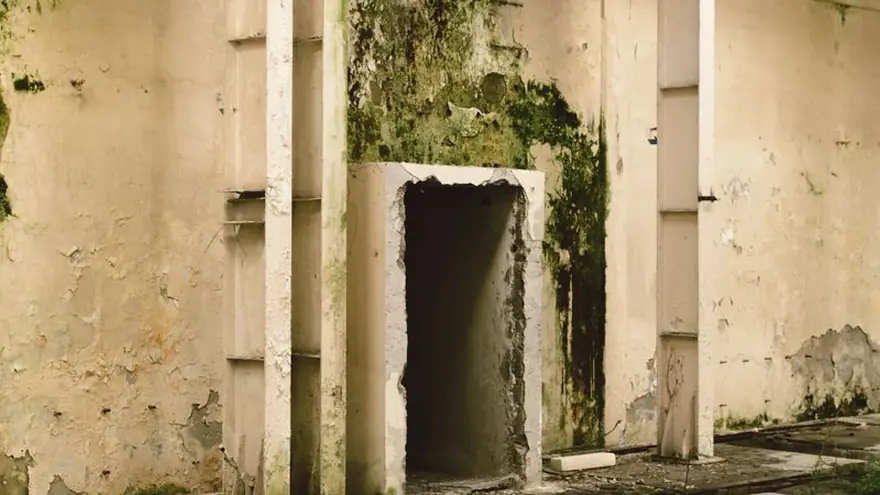
Category 1 water originally clean begins degrading toward Category 2 as bacteria in the building materials multiply in the warm, wet environment. The contamination level of the water is increasing, which changes the safety protocols and material decisions. Mold spores present in the air (always present in any indoor environment at background levels) are beginning to germinate on wet porous surfaces. Visible mold is not yet apparent, but the colonization process has started.
If you act now: The category may be reclassified from Category 1 to Category 2, requiring antimicrobial treatment and more conservative material removal. The scope has expanded. Drying is still achievable but the cost has increased substantially.
Hours 48-72: Mold Colonization Window
This is the window where mold colonization becomes established on porous materials that remain above approximately 60% relative humidity. The paper facing on drywall, carpet fibers, wood framing, and organic dust in wall cavities are all susceptible. In Lancaster’s warm indoor conditions, this colonization window may be even shorter during summer months.
If you act now: The restoration project now potentially includes a mold remediation component on top of the water damage restoration. Mold remediation adds containment, HEPA air scrubbing, more aggressive material removal, antimicrobial treatment, and clearance testing. The combined cost is substantially higher than the water damage restoration alone would have been.
Days 3-7: Secondary Damage Compounds
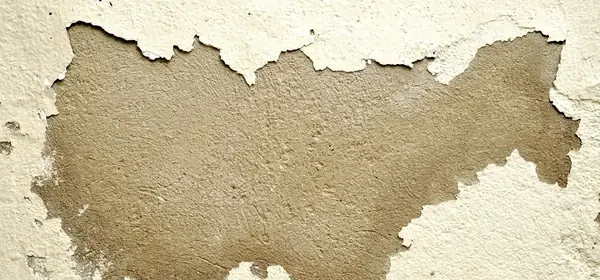
Materials are deteriorating. Drywall is losing structural integrity sagging, crumbling at saturated areas. Particle board cabinetry is swelling and delaminating beyond repair. Engineered flooring is cupped, buckled, or delaminated beyond recovery. Mold growth is visible on some surfaces. Odor is prominent. The scope of material removal has expanded from targeted areas to potentially full rooms.
Days 7-14: Structural Concerns Emerge
Prolonged moisture exposure begins affecting structural components. Bottom plates (the framing member sitting on the slab) may be developing soft rot. Subfloor materials in framed construction may be failing. Mold has spread through wall cavities via airborne spore dispersal. The restoration project is now a combined water damage, mold remediation, and potentially structural repair project.
Beyond Two Weeks: Maximum Damage
At this point, the original water damage event has caused secondary damage that exceeds the initial loss in both scope and cost. Materials that could have been dried in the first day are now removed and replaced. Mold remediation which was entirely preventable with timely drying adds thousands of dollars to the project. Structural repairs may be needed. Contents that could have been cleaned are now unsalvageable. The total cost may be three to five times what it would have been with same-day professional response.
The Bottom Line
The cost curve of water damage is exponential, not linear. Acting in the first four hours can limit the restoration to extraction and drying the least expensive and least disruptive response. Every subsequent delay interval roughly doubles the complexity and cost. There is no point on this timeline where waiting improves the outcome.
Where to go next
Related services and local pages referenced in this guide: emergency water damage response water extraction services mold inspection in Lancaster.